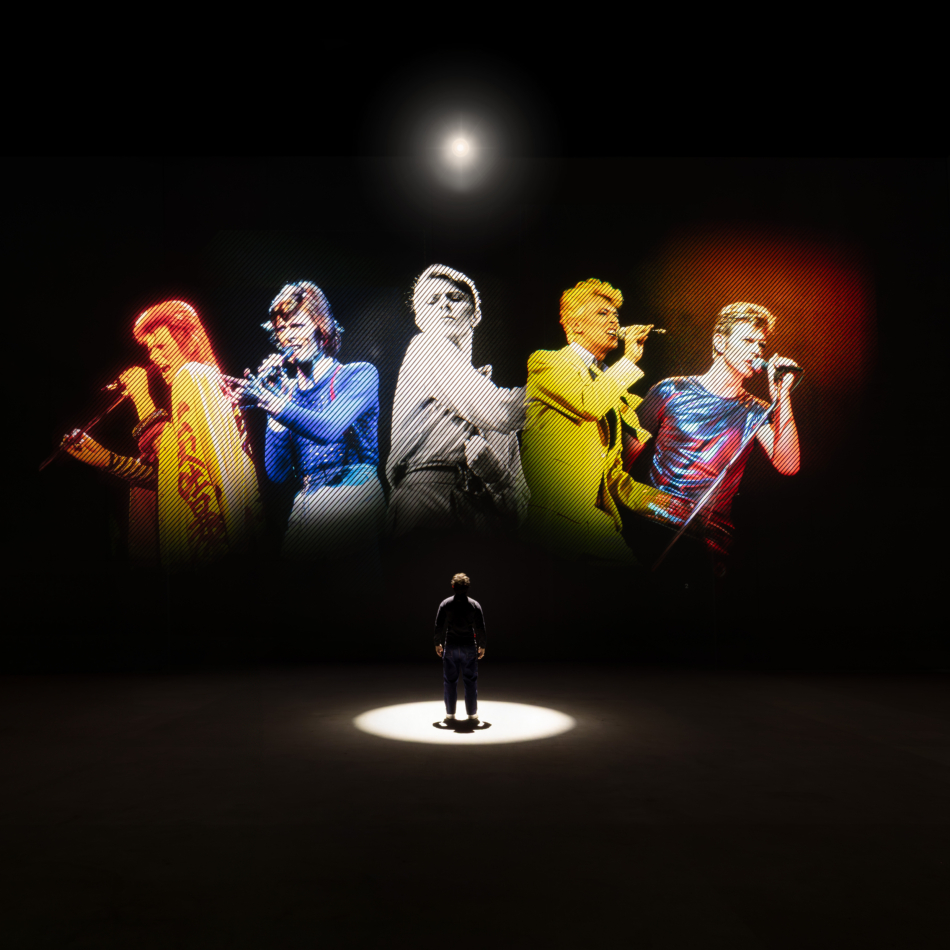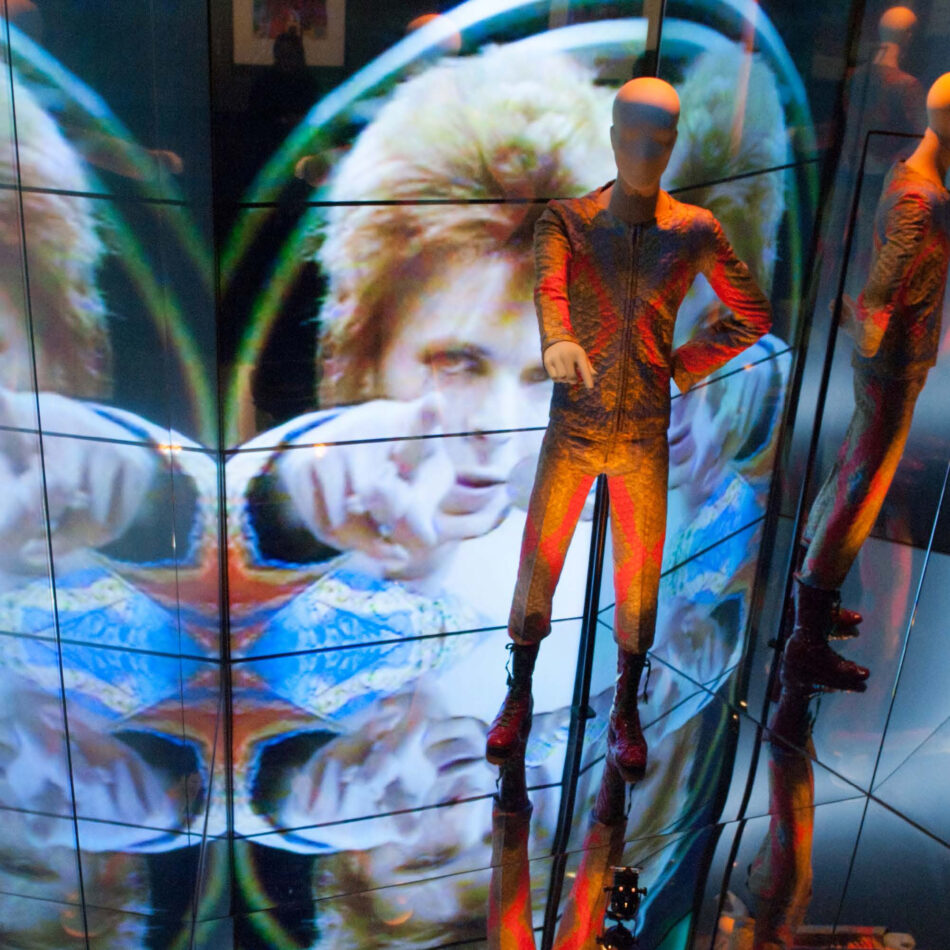

19th century fashion designer Charles Frederick Worth had no idea just how influential he would one day prove to be. In the 1860s, on becoming the first designer to use live models rather than mannequins to display haute couture, the Englishman inadvertently invented the idea of the modern fashion show.
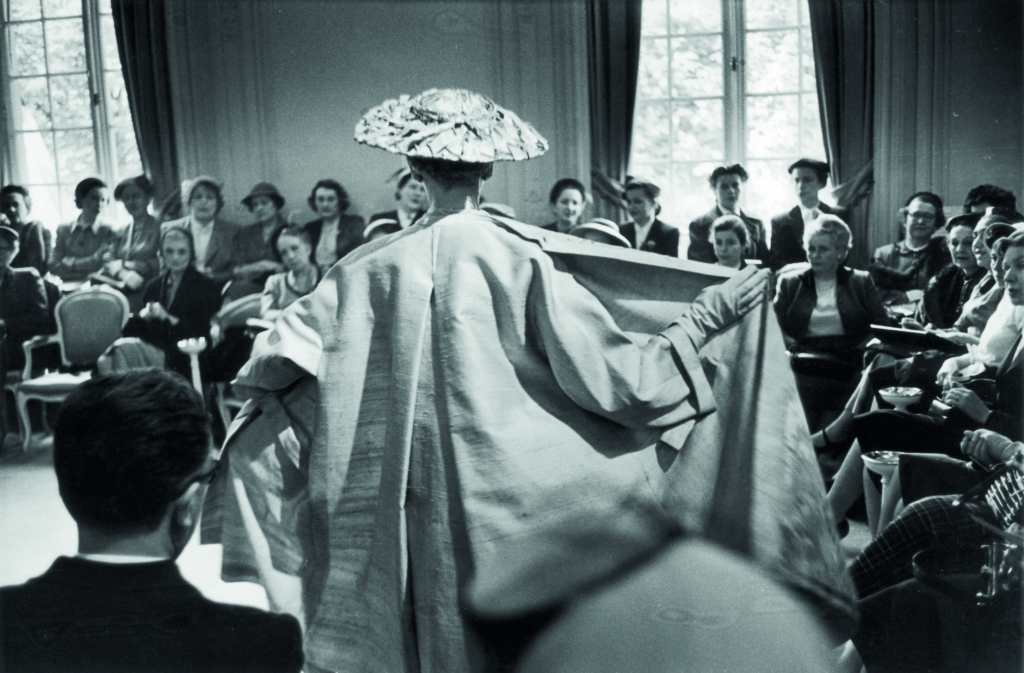
Buoyed by the patronage of European royalty, he used to stage seasonal shows to introduce new designs and to shape sartorial taste, placing the designer—not the client—at the center of fashion’s creative authority. In effect, he invented the idea of the runway and the fashion show—controlled, choreographed spaces where garments could be viewed, discussed and sold. Across the 20th century the format expanded, from intimate salons to magazine shoots, then to public fashion weeks that transformed collections into cultural events. By the turn of the 21st century the runway had become an arena for narrative spectacle and technical innovation—a medium as much about set design, lighting and motion as about tailoring and textiles.
Fashion shows are now multi-million-dollar theatrical productions with celebrity front rows, and brands competing to create memorable images for social media feeds.
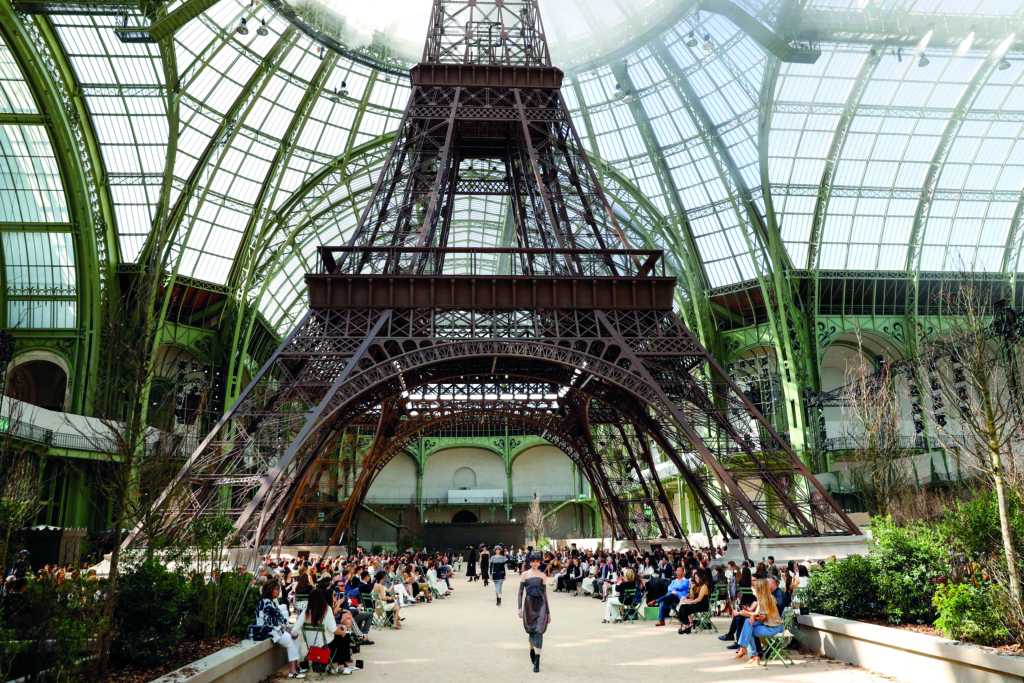
Technology has played a major role. The late British designer Alexander McQueen fused choreography, mechanization and cinematic camera work in his shows to create cultural moments that went viral online. His 2009 show Plato’s Atlantis was among the first runway shows to be webcast to a global audience, revolutionizing the idea of an invitation-only spectacle. The late Karl Lagerfeld was also a pioneer in the field, especially when he transformed Paris’s Grand Palais into spectacular scenes that, over the years, included icebergs, a fairground carousel, a bomb- damaged theater, a 150-meter-long cruise ship, an airport, an Indian palace, and even a space station with its very own rocket blasting off.
Throughout the 2010s and 2020s the idea of a simple runway seemed limited, as fashion houses and major brands experimented with live streaming, 3D animations, and augmented reality that blended the physical and digital worlds. Virtual fashion weeks were even staged online on virtual world platforms such as Decentraland.
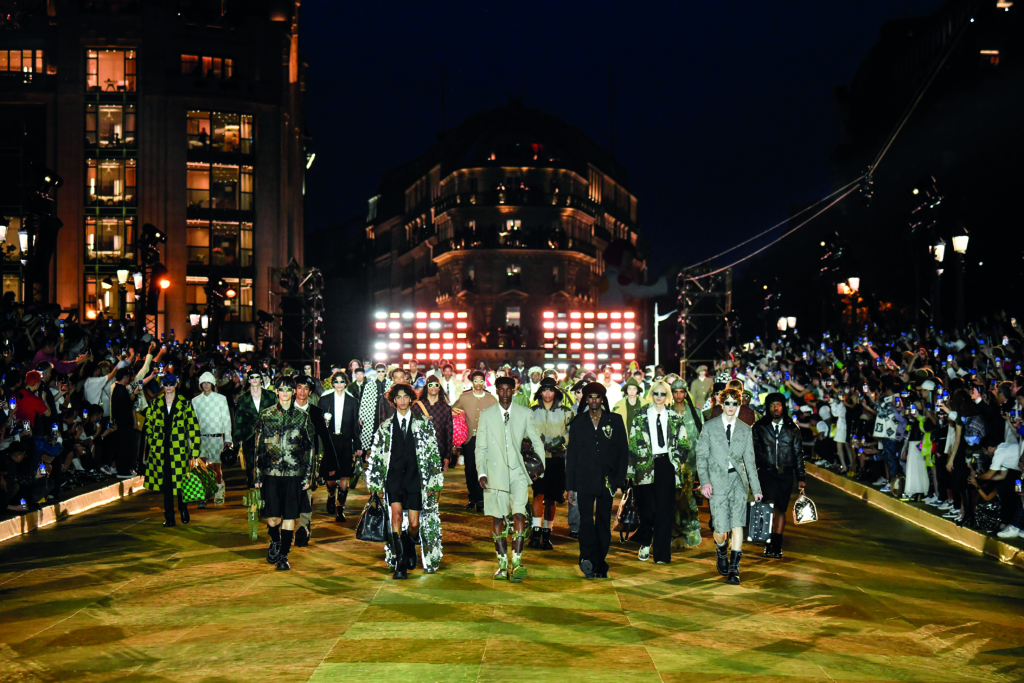
After the Covid-19 pandemic, physical shows returned with even more money and extravagance. Take US musician Pharrell Williams, appointed to helm Louis Vuitton’s menswear division in 2023. He has turned the French fashion brand’s runways into major events, incorporating set designs with full-size street scenes and a fully functioning steam train. At his debut show in June 2023, he transformed Paris’s historic Pont Neuf bridge into a golden runway, with performances by a gospel choir and Chinese pianist Lang Lang, and a guest list that included Beyoncé, Jay-Z, Rihanna, A$AP Rocky, Zendaya and Kim Kardashian. The number of attendees on fashion-show guest lists is increasing. In 2024, no fewer than 4,000 VIPs, journalists and guests flocked to a vast futuristic greenhouse at the Louvre museum, in Paris, to celebrate ten years of Nicolas Ghesquière as creative director at Louis Vuitton.
What of the future, then? Will shows be broadcast live to anyone who wishes to watch? Yes, say the experts. Expect real-time streaming online; invitation- only online feeds for professional buyers; and public spectacle streams tailored to different social platforms.
Fashion brands will customize the experiences, platform by platform. More importantly, how will ordinary shoppers purchase the garments they see on the runways? The runway-to-rack gap is collapsing. Shoppable live streams, dedicated product launches immediately after the show, and virtual garments (for avatars or digital animations) provide multiple retail options.
Industry reports predict that fashion companies will continue to sell their products directly to consumers through their own online channels but, to increase sales, they will also tell compelling stories about their brands, building emotional connections and customer loyalty. Other marketing strategies include the use of interactive look books, gamified launches in virtual worlds online, and collaborations with gaming platforms and influencers.
The media moment of these shows will be amplified by pre-show teasers, post-show commerce opportunities, and digital assets such as augmented reality animations.
AI is sure to play a role, too, although human models need not fear for their jobs quite yet. Experts believe their roles will diversify. Physical models retain value for the cultural cachet of live presence, and having a celebrity on the catwalk always amplifies a brand’s social media presence. Think back to 2022, when actress Nicole Kidman appeared at a Balenciaga haute couture show in Paris.
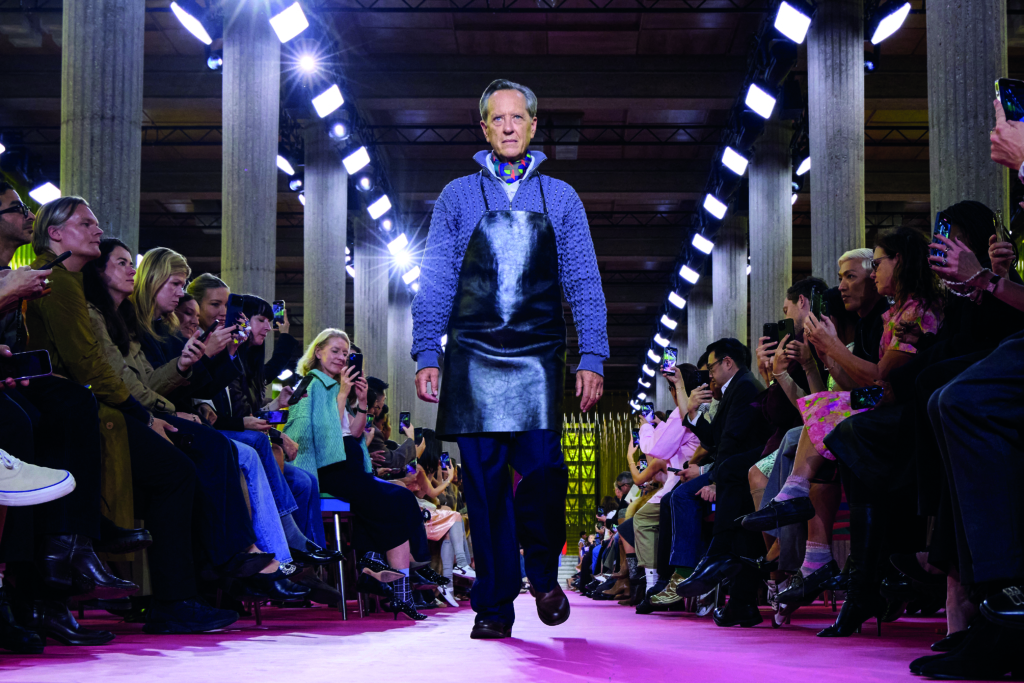
Perhaps there is a risk that fashion shows will become too overblown and pretentious. Experts are divided on this. Spectacle without strategy risks diluting brand identity and wasting budget. Industry commentators warn that when production becomes the story, the clothes can lose their selling power. Spectacle should be treated as one instrument among many, they say. It must support storytelling, drive sales, and be sustainable, both environmentally and economically. If Charles Frederick Worth could see just how enormous the fashion industry had become, he would probably agree with that sentiment.
Journey in Fashion
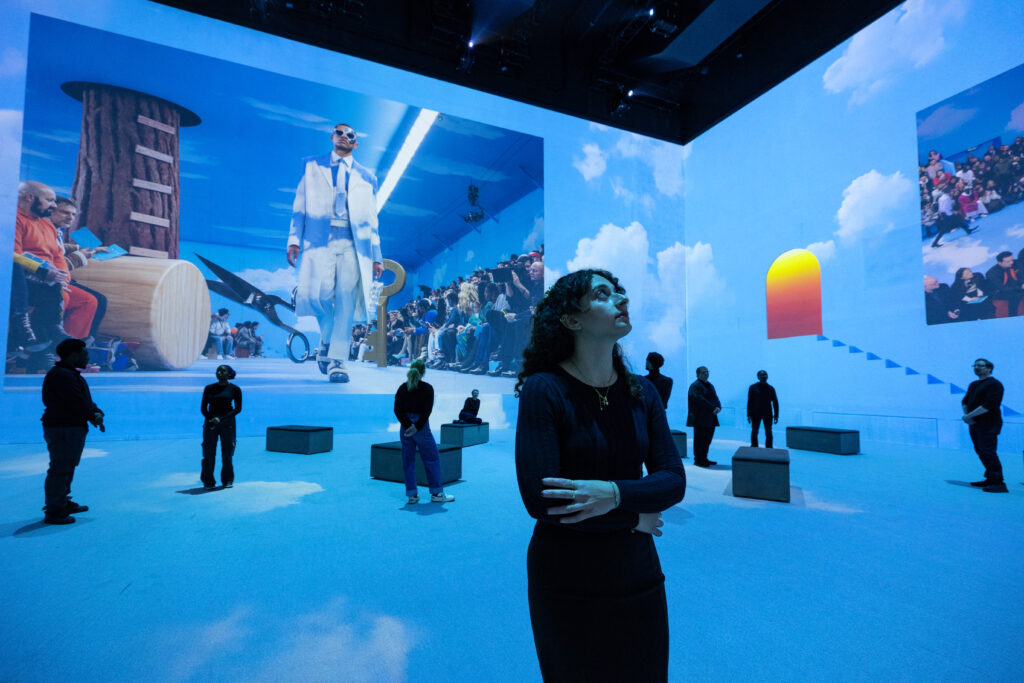
Fashion shows come to life when accompanied by light, sound and video effects. This was displayed admirably when Journey designed an immersive show about the cultural history of fashion show runways at London venue Lightroom. Entitled VOGUE: Inventing the Runway, it drew on Vogue magazine’s rich archive and contributor network to take visitors on a cinematic journey through the evolution of the fashion runway. Featuring the work of such fashion luminaries as Alexander McQueen, Christian Dior, Dolce & Gabbana, Givenchy, Gucci, Jean Paul Gaultier, Louis Vuitton, Versace and Vivienne Westwood, the show launched in November 2024.
This article was originally published in Journey World Magazine January 2026.
Download Journey World Magazine – Issue 01/2026
To access the full digital edition, please complete the form below.