

The Untapped Potential of Stadiums
It’s about more than the goals, the touchdowns, or the home runs.
More than the premium seats or the biggest screens.
Stadiums today are at an evolutionary crossroads. As fan expectations grow, venues find themselves in need of thoughtful redesigns and fresh offerings that extend well beyond game day. While the match day will always be the anchor of these spaces, the real opportunity lies in reimagining stadiums as all-day, every-day destinations.
The average lifetime value of a fan runs into the tens of thousands. Yet gaps in the visitor experience, whether it’s disconnected touchpoints, limited amenities, or underused space, can quietly erode engagement and reduce spend. What we’ve seen again and again is that it’s the small, often overlooked moments that have the biggest impact.
These changes don’t necessarily call for massive capital investments. It’s about looking closely, asking the right questions, and designing for how people actually move, behave, and feel. When you connect the dots across the visitor experience, you unlock new value, both emotionally and commercially.
With thoughtful design, strategic programming, and memorable touchpoints, stadiums can become year-round attractions that keep fans coming back, even when there’s no game on the calendar. Here’s how.
Evolving Fan Expectations
Since the pandemic, fan behaviors have changed dramatically. Today’s visitors want more than just a ticket to a game; they expect an end-to-end experience that begins long before they arrive and continues well after they leave.
And there’s pressure to deliver. Even small, easily overlooked moments in the fan journey can make or break their connection with your venue. A clunky ticket purchase, a long concession line, or poor WiFi can all do damage to the relationship you’re building.
Three key expectations consistently emerge across sports, music, and entertainment fandoms:
Co-creation. Remember when fans just showed up and watched? Those days are over. Modern fans want to collaborate with the stars of the show, creating unofficial content and visitor-generated stories. They’re not just spectators; they’re active participants in the experience and eager contributors to the narrative.
Customization. Generic, one-size-fits-all experiences don’t cut it anymore. Fans are eager for personalization, including exclusive bundles, Easter eggs, and one-of-a-kind physical merch and virtual tokens. Above all, they want entertainment tailored to their preferences and unique memories they can’t get anywhere else.
Connection. Fans expect closer relationships and more communication with their favorite musical artists, athletes, and pop culture icons. While they don’t need the full Big Brother treatment, they do crave behind-the-scenes access, two-way dialogue, and authentic moments that humanize the stars they follow.
What ties these expectations together? Storytelling and experience. The most successful stadiums are putting narrative and the visitor journey first, reimagining their spaces as living, breathing destinations that have been fully thought out, start to finish, A to Z.
Perfecting the End-to-End Visitor Experience
The most successful venues view the fan journey as an extended experience with multiple touchpoints, not just a single event. The periods before, during, and after the event each offer unique opportunities to deepen engagement and create memorable moments.
Before the Event
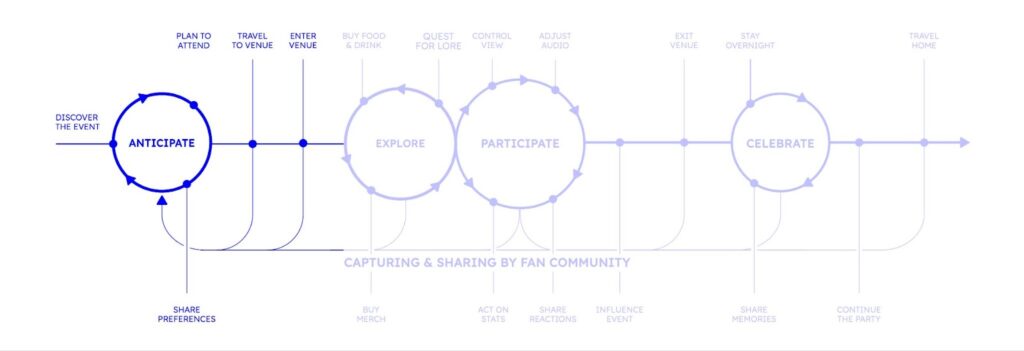
The fan experience begins long before anyone sets foot in the venue, and often even before someone clicks “buy” on the ticket. The one-size-fits-all approach to ticketing is rapidly becoming obsolete, with a new variety of options offering fans multi-day packages, digital/physical hybrid experiences, and specialized bundles. At the same time, fan club preview content gives devoted followers early access and exclusive sneak peeks into upcoming events.
When it comes to getting ready for the big event, AI concierges are transforming how fans prepare. These intelligent assistants can answer questions, pre-reserve food and drinks, provide information about the venue, and even offer personalized recommendations based on fan preferences.
Then there’s the commute. Venues are increasingly starting the experience during the trip to the stadium, using partnerships with rideshare companies and autonomous vehicle services to turn what was once dead time into a delivery method for exclusive video content. When designed right, this approach can build excitement, minimize friction points, and make fans feel like VIPs before they even enter.
During the Event
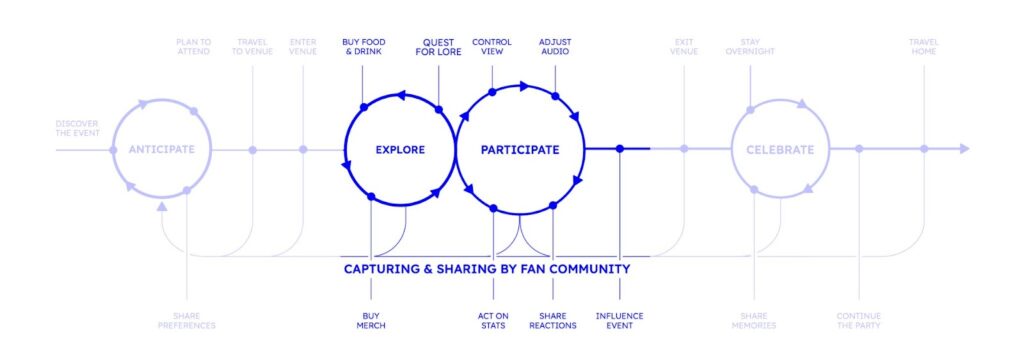
Once inside, fans expect more than just a seat and a view. They want options, ease, and immersive experiences that go far beyond the main attraction.
Frictionless concessions are one way to eliminate a major pain point in the traditional stadium experience. Walk-out payment technology and in-seat delivery from apps like SEATSERVE, OrderEm, and StadiumDrop all mean that fans can spend less time in line and more time enjoying the event. Meanwhile, IP is making its way into food and beverage, giving visitors the chance to sample co-branded food trucks and menu items inspired by entertainment franchises.
Another way to improve the gameday experience is with side quests that transform stadiums from passive viewing spaces into interactive environments. AR easter eggs, physical exploration challenges, and exclusive digital content encourage fans to discover the venue in new ways.
Even souvenirs are getting a makeover. Generic merchandise is being replaced by on-demand merch and custom “verch” (virtual merchandise) created specifically for individual events, sometimes even incorporating fan-generated ideas. The result is a highly personalized event that’s tailored to each fan’s individual interests and bound to leave a lasting memory.
After the Event
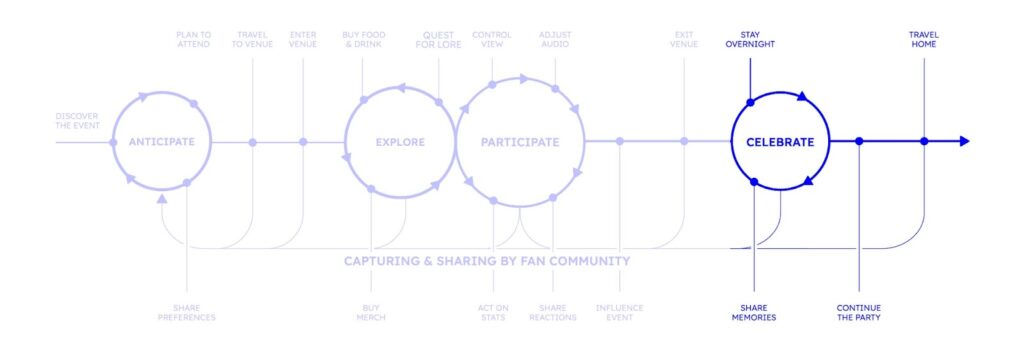
The relationship between fans and venues doesn’t have to end when the event does. Some stadiums are extending the experience well beyond the final whistle or encore with on-site hotel rooms that offer themed stays. Hotel Commonwealth, the official hotel of the Boston Red Sox, offers suites overlooking iconic Fenway Park and decorated with baseball cards and other memorabilia. Taking it a step further, the stadium hotel for the Hokkaido Nippon-Ham Fighters in Japan lets guests watch live baseball games from a hot spring and a cold plunge pool overlooking the field.
Other stadiums are offering curated post-event activities that allow fans to connect, celebrate, or commiserate together before heading home. At Allegiant Stadium in Las Vegas, for example, attendees can book the Raiders locker room for exclusive events and even have their names featured above the lockers.
With immediate access to immersive highlights, venues are also letting fans relive their favorite moments or catch highlights they might have missed on their own timetable. Shareable content can turn attendees into ambassadors, beginning as soon as the commute home and driving interest among friends and family who missed out.
The takeaway? A single ticket can now turn into an extended experience that builds deeper fan connections (not to mention additional revenue streams) along the way.
Going Beyond Game Day
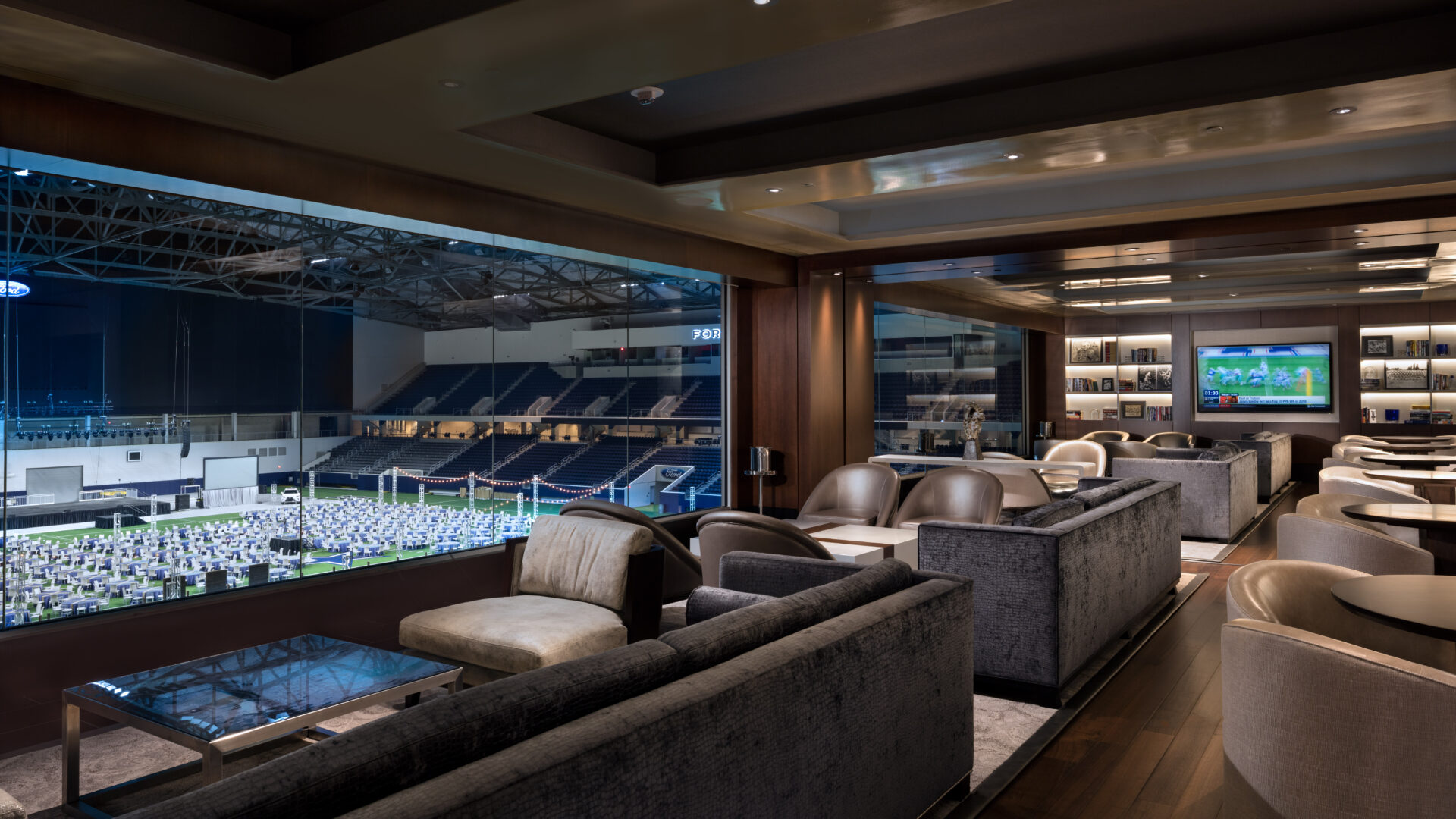
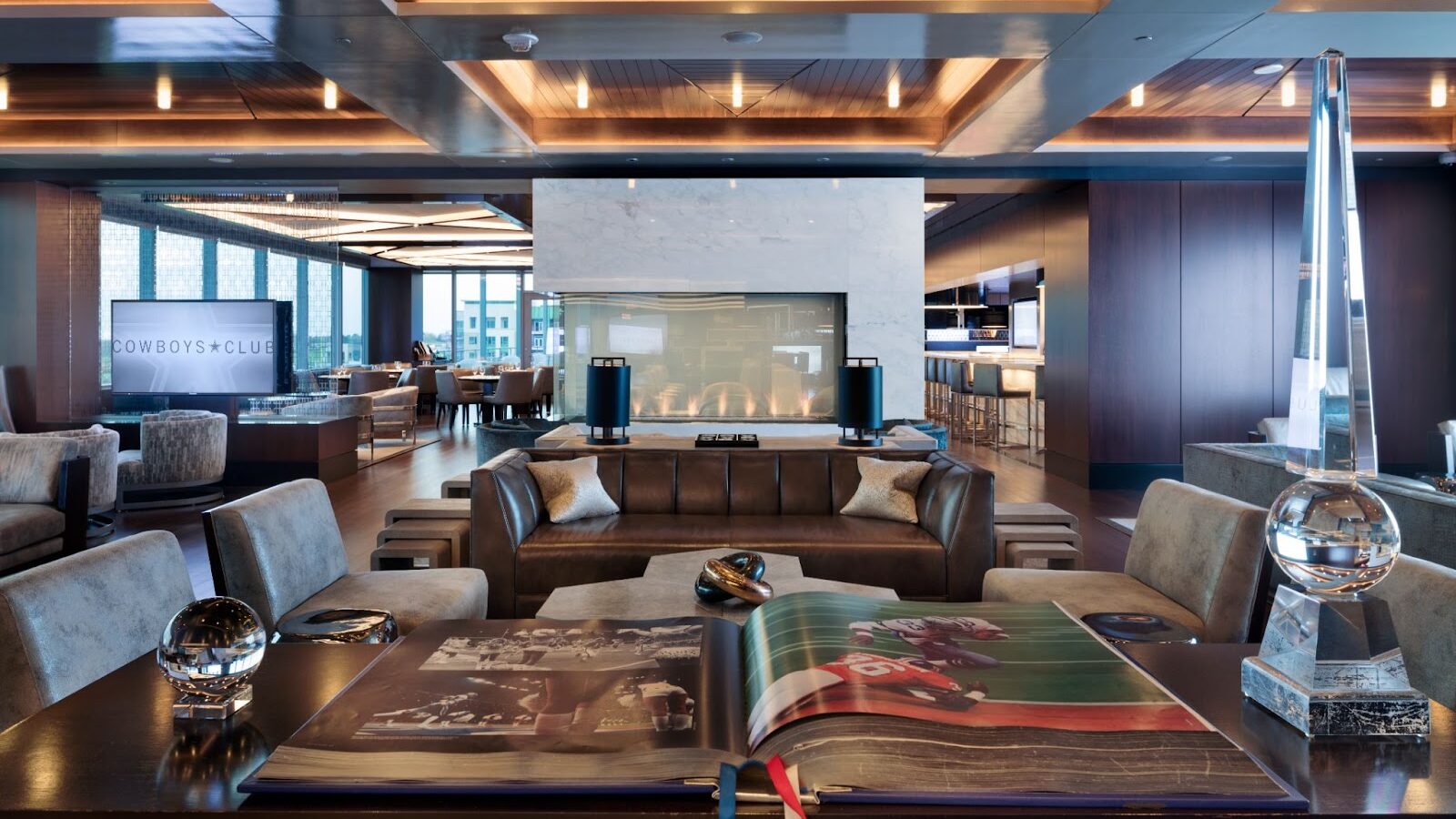
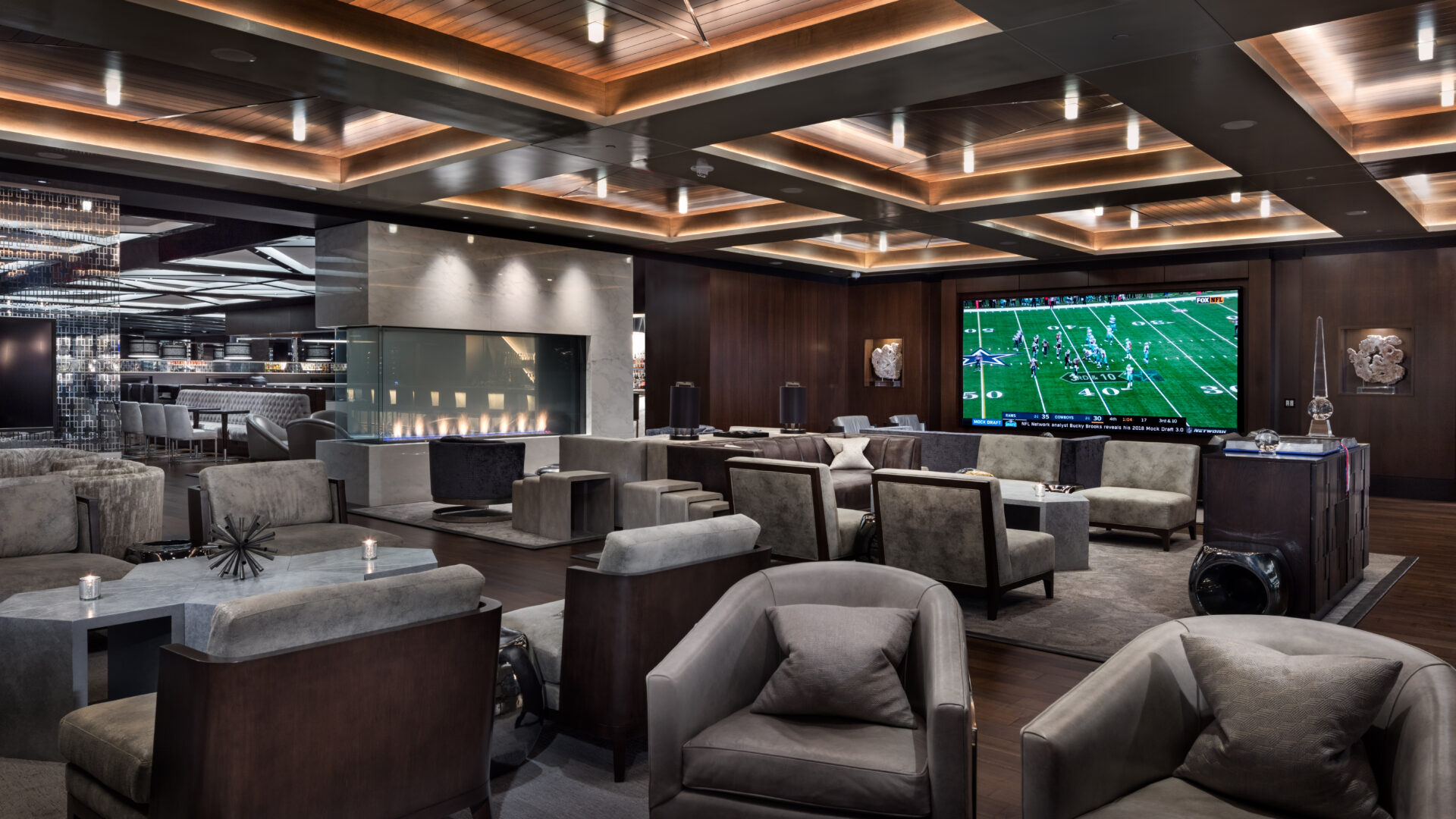
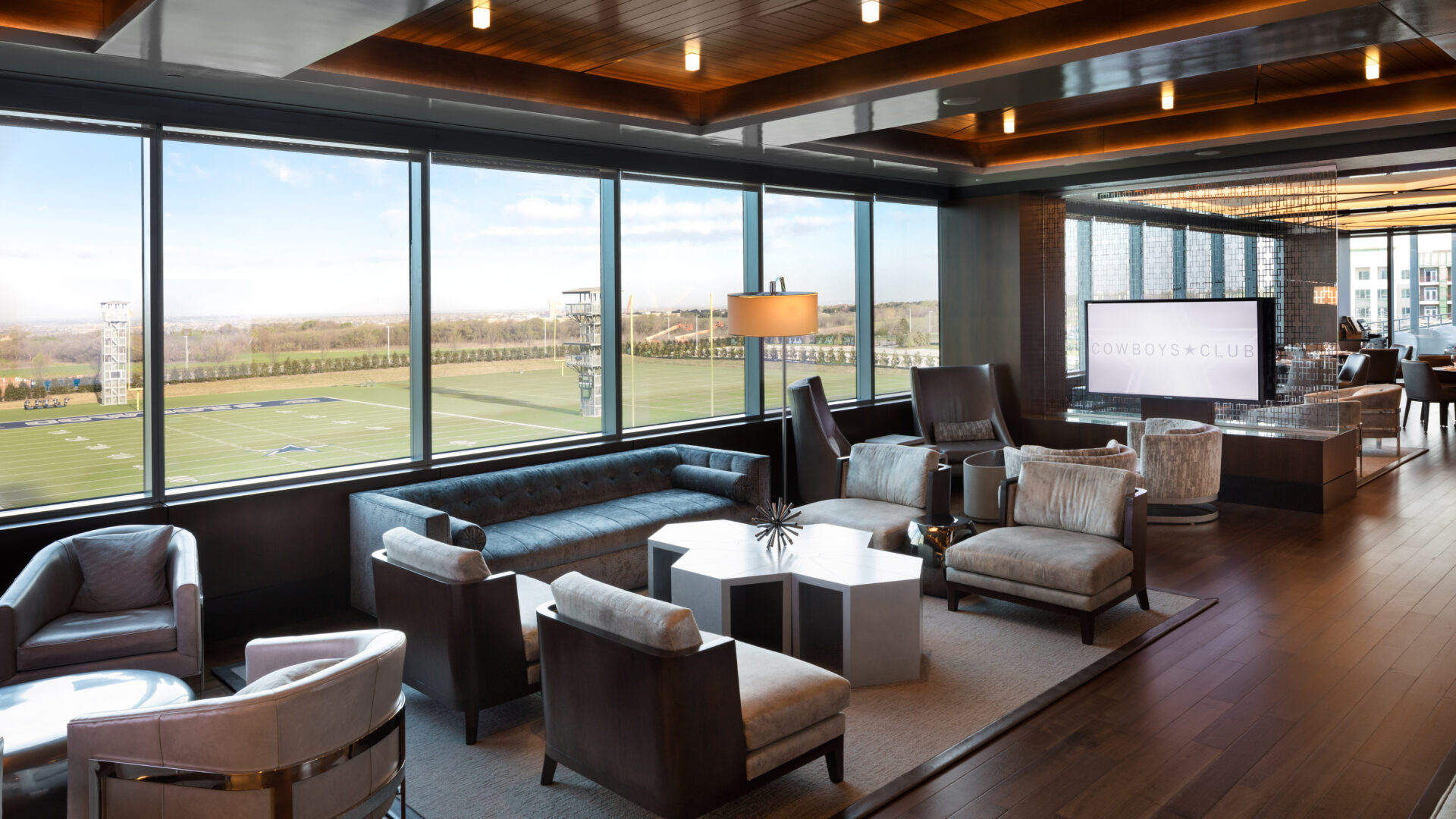
Our approach is rooted in experience. At the AT&T Stadium in Dallas, we created the Cowboys Club, an upscale space that hosts the ultimate Dallas Cowboys tailgate experience on game days, and a fine dining venue on others. The club space expands and contracts depending on fan traffic, making it versatile enough to accommodate everything from business lunches to playoff celebrations.
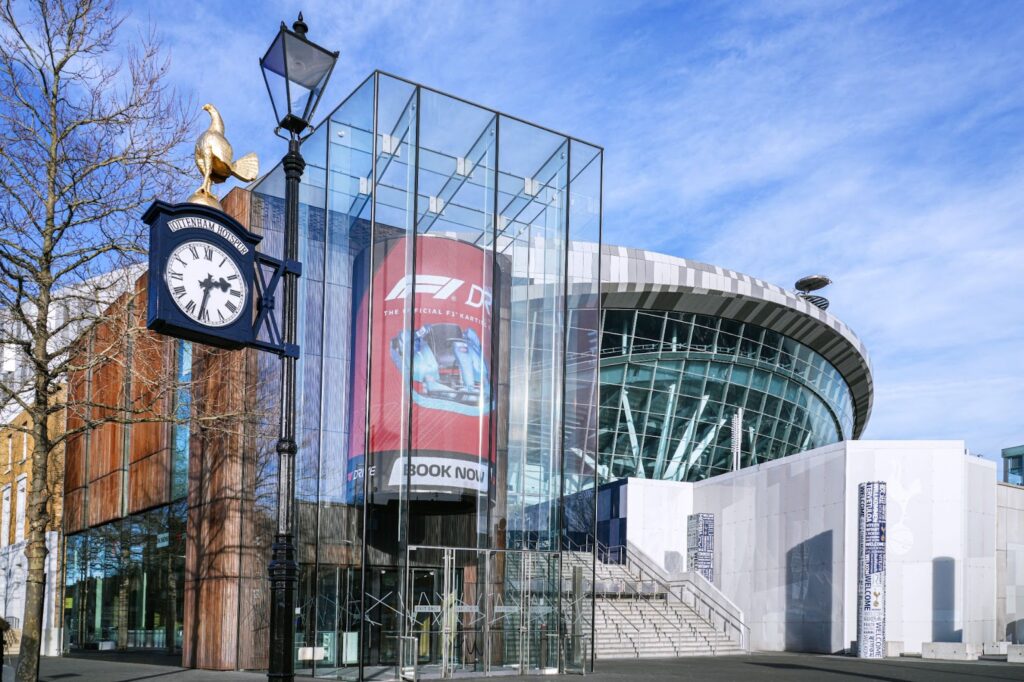
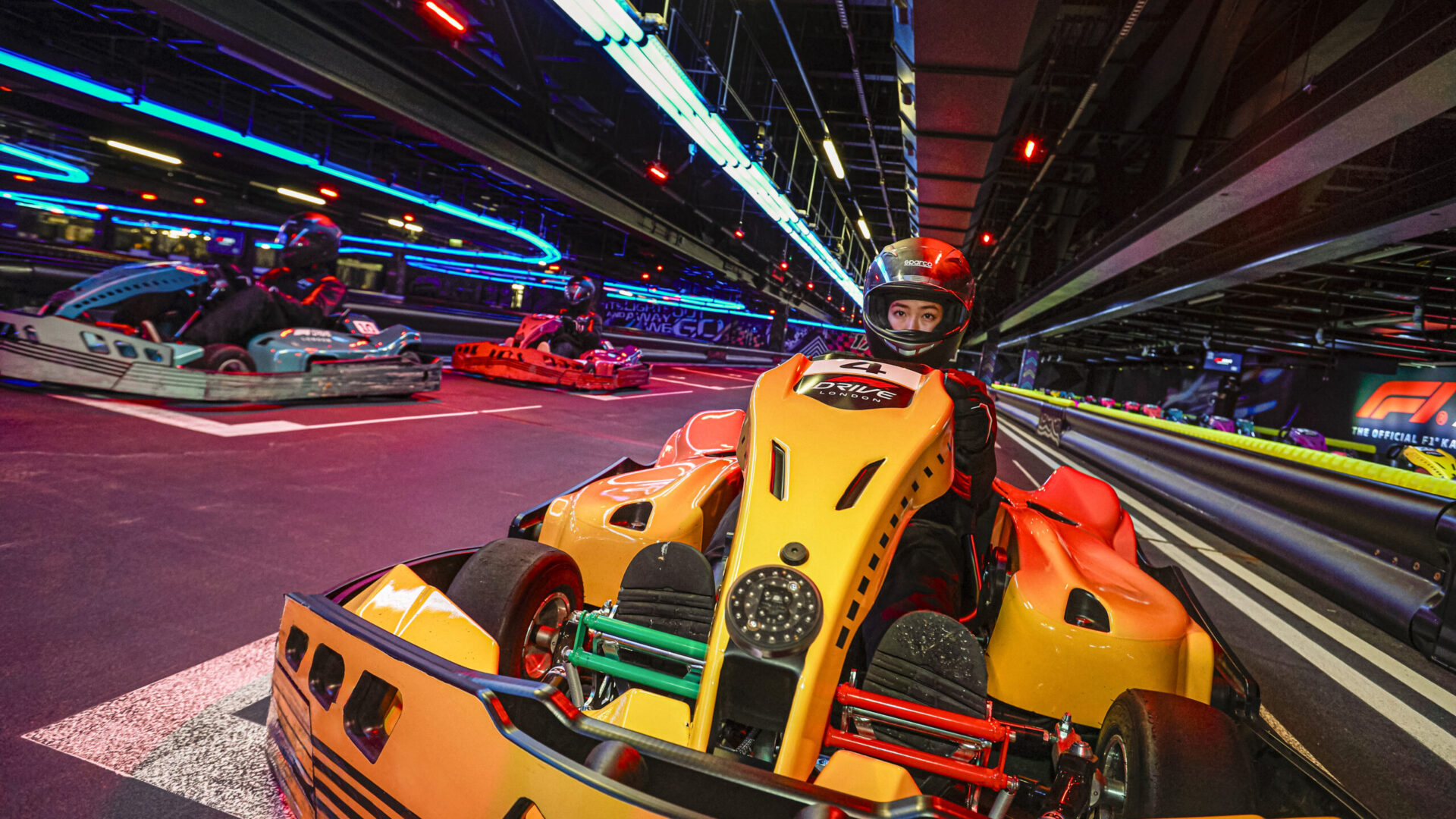
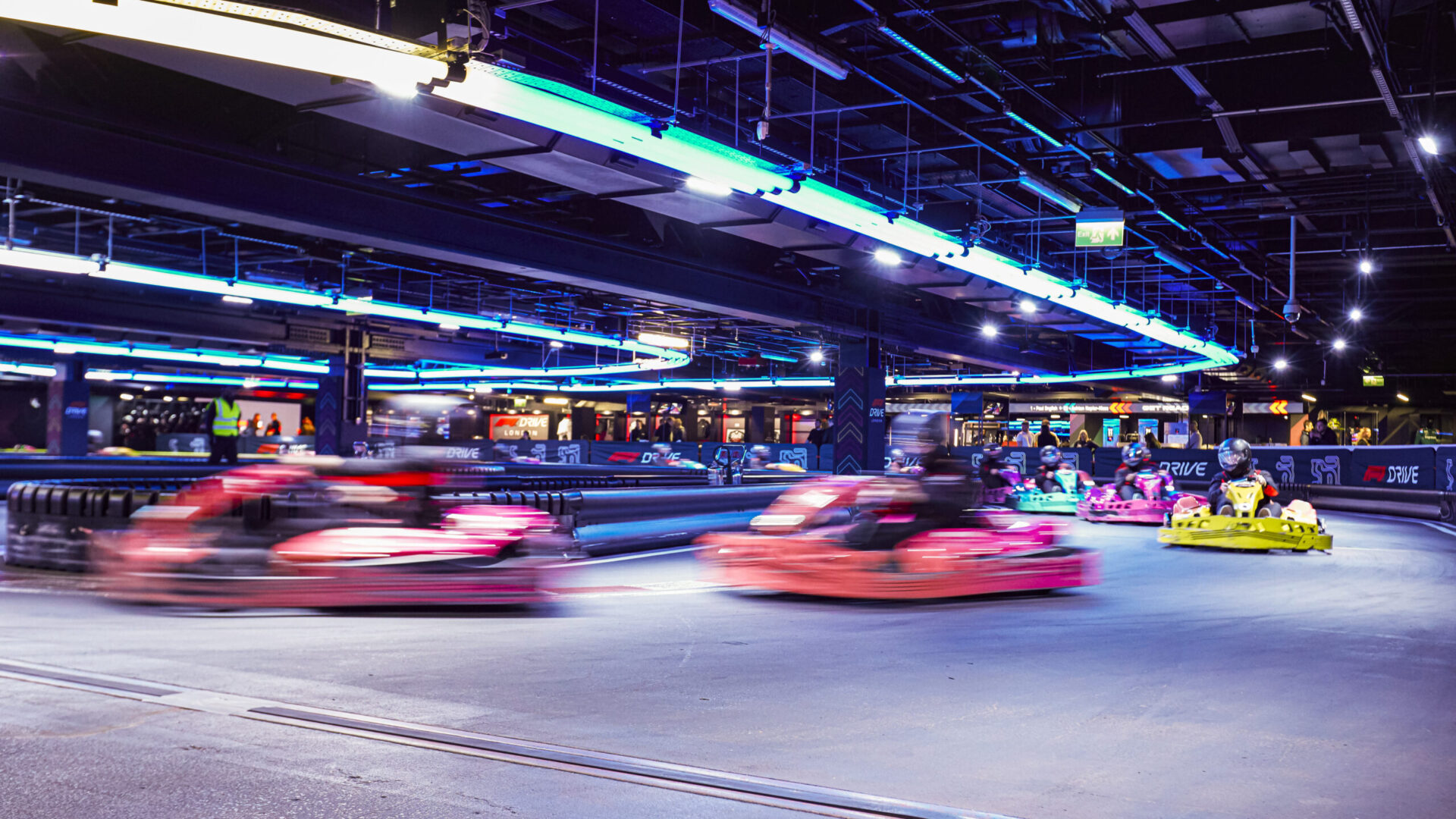
At Tottenham Hotspur Stadium in London, we worked on F1® Drive, the official F1 go-karting experience. Alongside Charcoal Blue Experience and Electrosonic, Journey created a layered digital experience to draw in fans outside the regular match schedule.
With real-time race data, a virtual race engineer, communicative lighting cues, and other augmented technology, it offers a thrillingly immersive experience and a new spin on the entertainment destination.

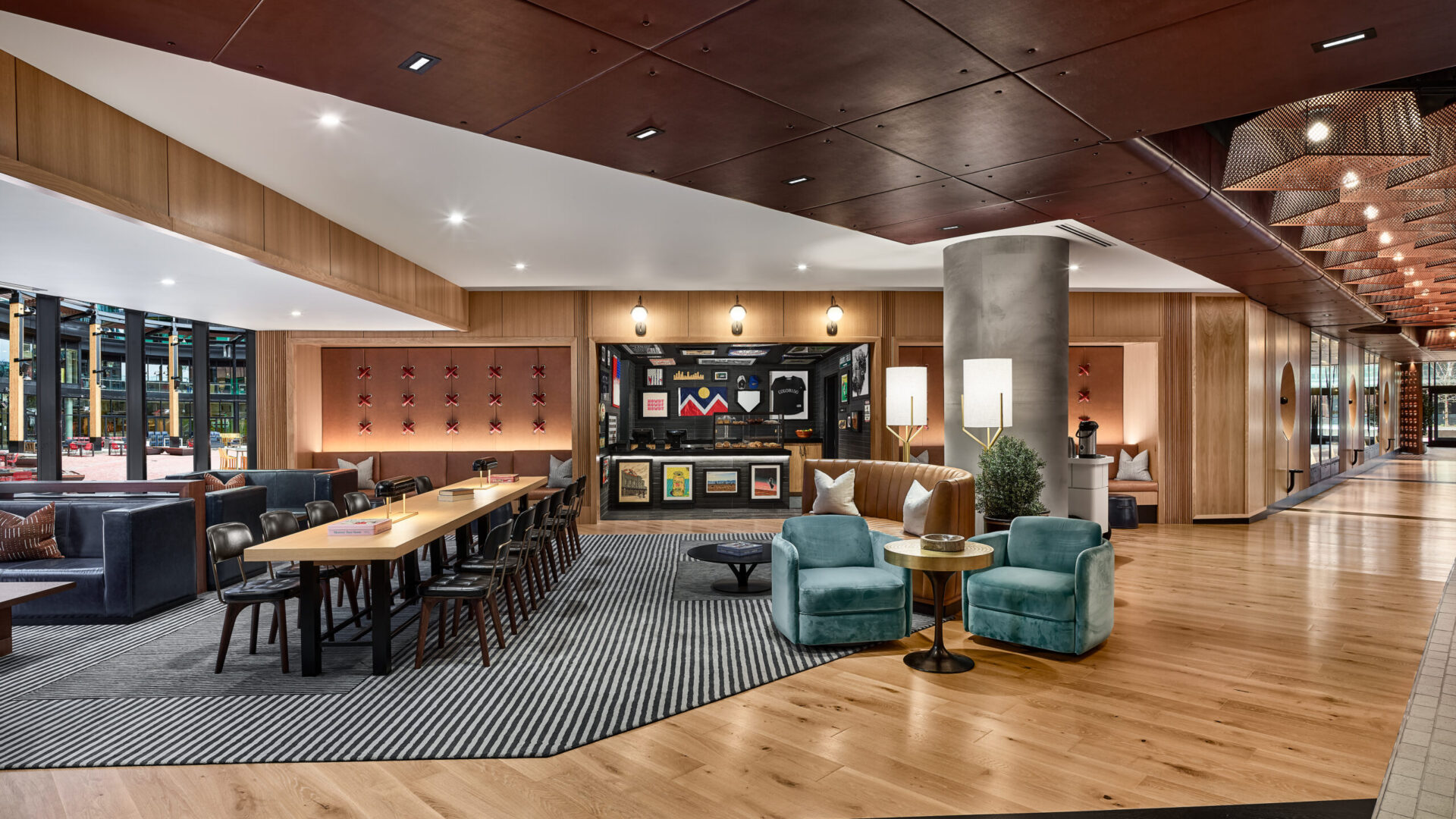
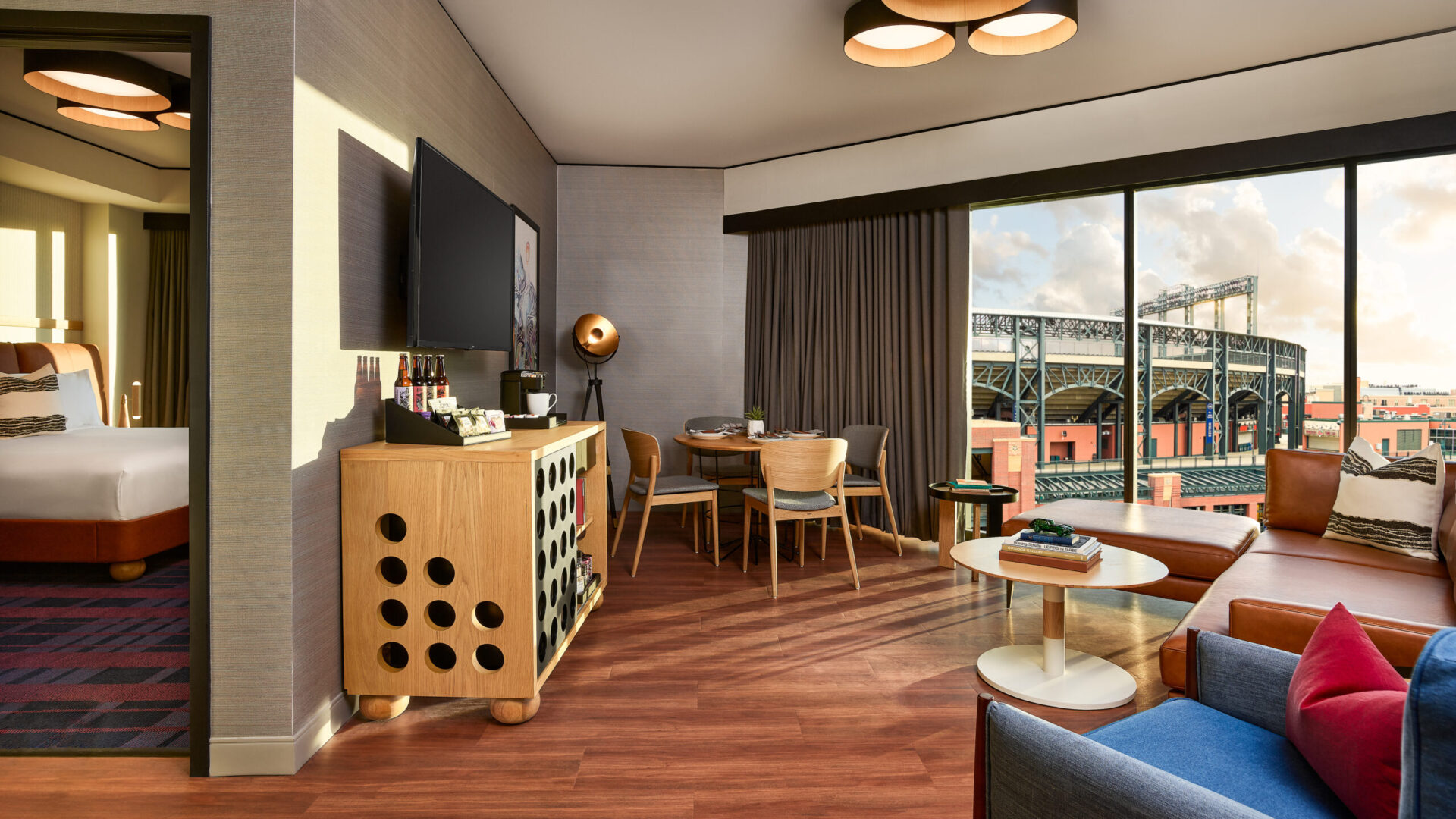
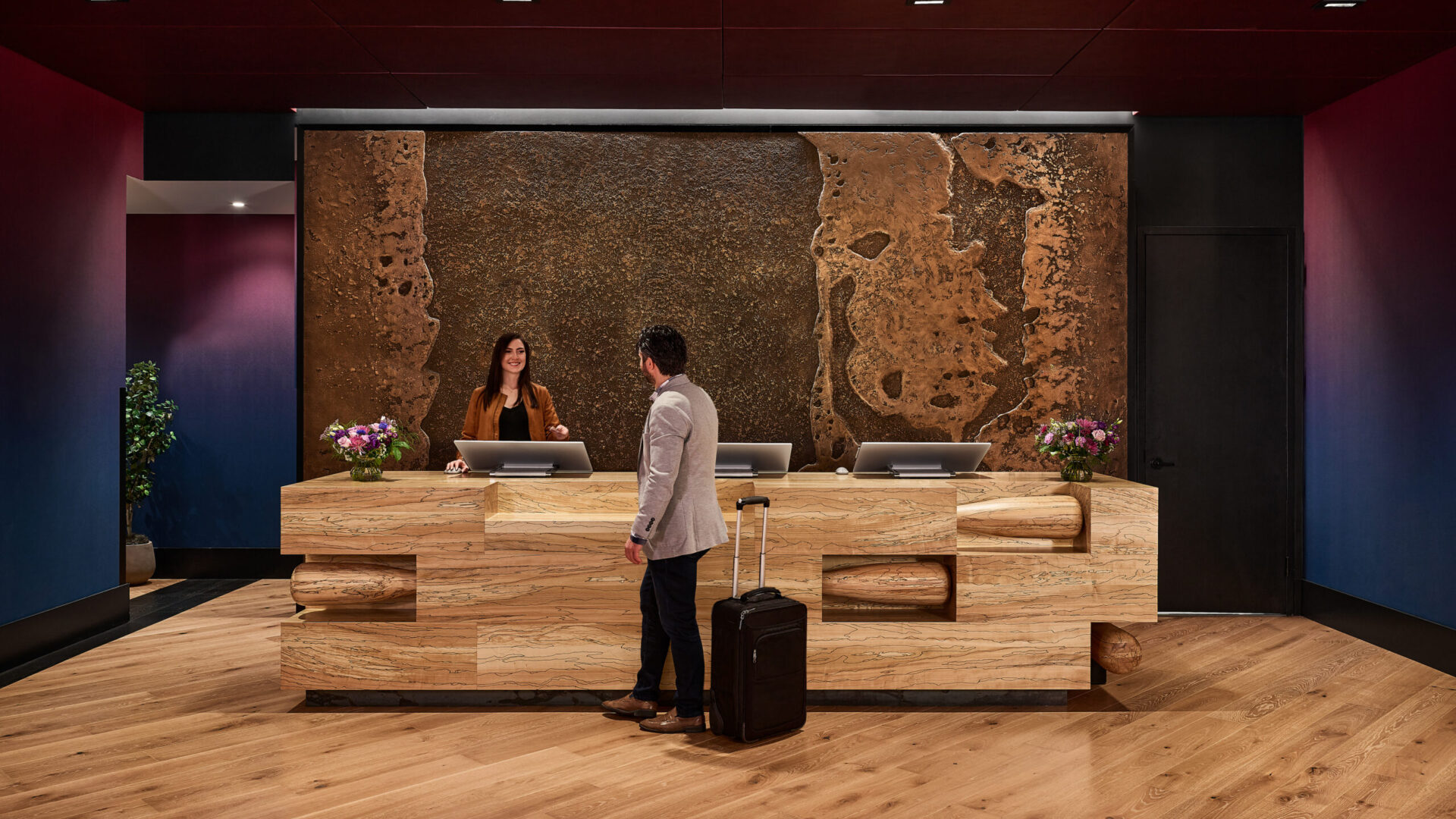
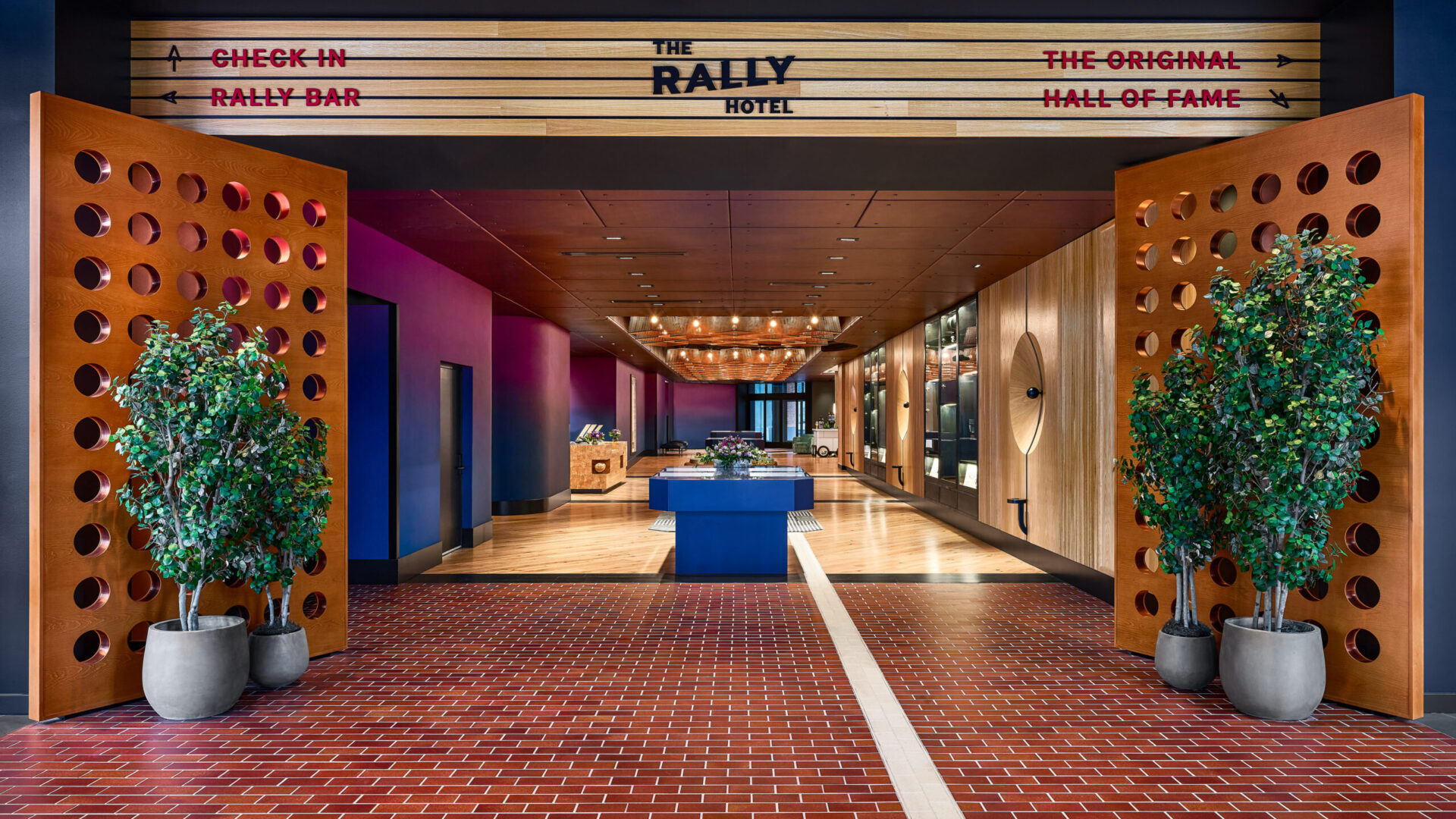
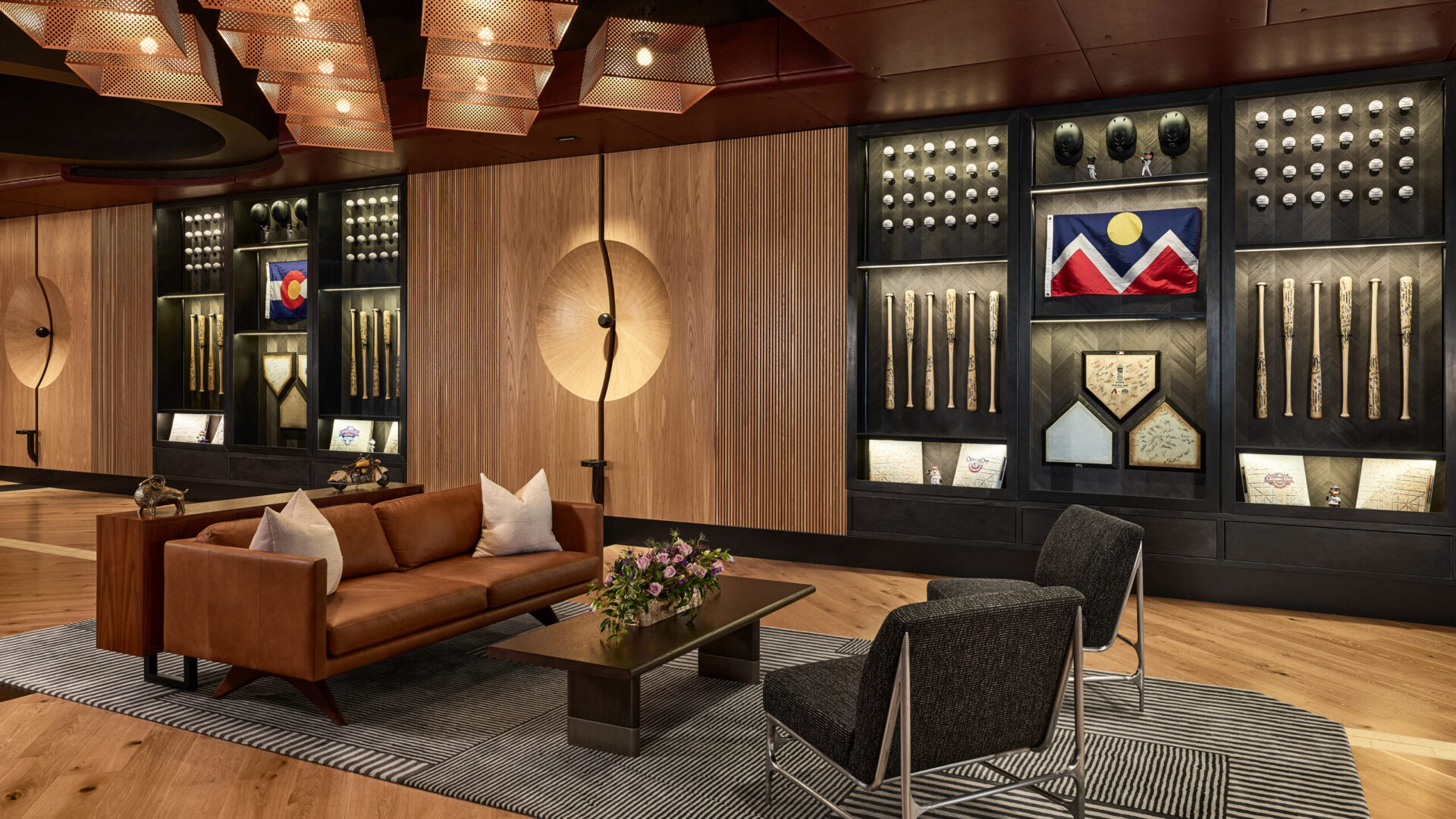
For the design of Denver’s Rally Hotel at McGregor Square, we incorporated light-touch details from the Colorado Rockies Major League Baseball stadium next door.
The design includes elements like top-stitched wall panels that suggest baseball laces, leather headboards and banquettes inspired by baseball gloves, wardrobe doors that mimic metal lockers, and other subtle nods to America’s favorite pastime. We saw the project as a way to unlock new opportunities and expand the fan journey not only beyond the live event, but beyond the stadium footprint itself.
Delivering Tomorrow’s Stadiums Today
By now, it’s clear that the venues of tomorrow have to be more than just steel and concrete places where people gather to watch events. They’ll need to become dynamic, adaptive spaces that cater to fans’ ever-evolving expectations, serving as destinations every day of the year and not just when there’s a headline event.
That’s because the next generation of fans won’t blindly buy tickets, no matter how well the Dodgers or Arsenal FC are doing that season. The stadiums that thrive will be those that understand the need for unique stories, moments, and memories to draw in loyal supporters at every turn.
Our top tips for venues looking to make this transition:
Honor the heritage. Venues aren’t blank slates; they’re repositories of shared memories, and they’re often an important part of community identity. Upgrades to stadiums should enhance these connections, not destroy them.
Use thoughtful storytelling. Focus on the narrative you want to share with visitors, whether that’s celebrating a team’s heritage or showcasing defining moments in the venue’s history. A strong story provides continuity between past and future, allowing stadiums to modernize without losing what makes them special to fans.
Start with experience design before implementing technology. We say it all the time, but the most impressive tech in the world falls flat if it doesn’t serve a purpose in the fan journey. Begin with the experience you want to create, then find the technology to enable it — not the other way around.
Keep the fan experience in mind from start to finish. From discovering the event to reminiscing about it later, consider each touchpoint in the fan journey and how it can be optimized.
Ultimately, the future of stadiums isn’t about building bigger. It’s about going deeper. By reimagining venues to put the fan experience first, we can create spaces that go beyond hosting events and become essential parts of our cultural landscape.