
In the old days, the Norrebro district, in the Danish capital Copenhagen, was renowned for petty crime and social unrest. With much of the area cut off from the rest of the city by major highways, it was down at heel and down on its luck. Tourists steered well clear of the place.
But that all changed in 2012 when a 30,000 square meter (320,000 square foot) public park called Superkilen was built. With playgrounds, sports facilities, cycle lanes, gardens, trees, a café and a restaurant—many of its features chosen by the immigrant communities living here—it is now enormously popular with both Danes and visiting tourists.
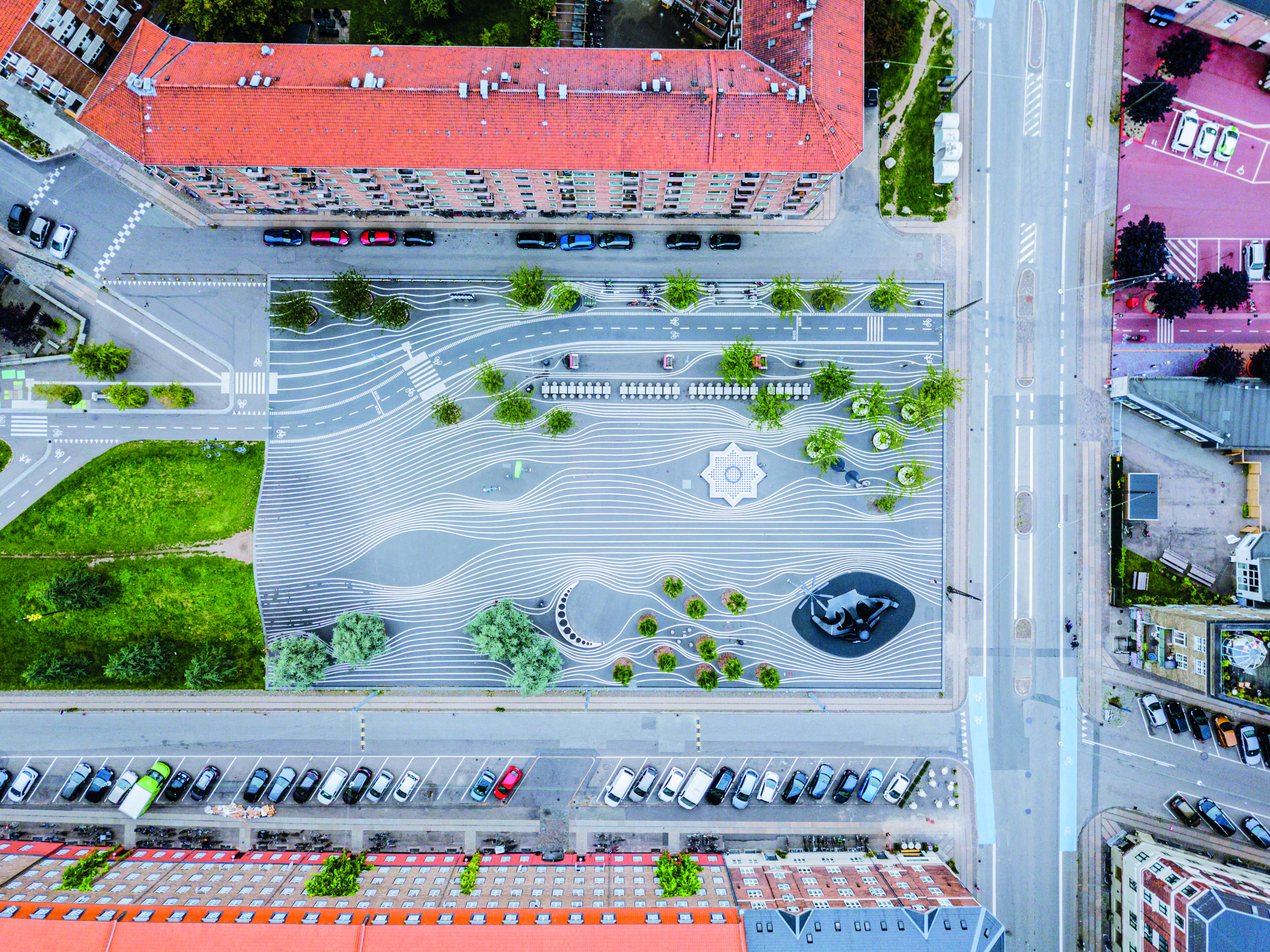
Superkilen is now held up as a shining example of what professionals within the built environment refer to as placemaking. A term used by architects, urban planners and developers, placemaking focuses very much on the needs of the human beings who live, work and play in buildings and public spaces. It often involves collaboration between designers and the local community, with the aim of improving social interaction and well-being, while reflecting local culture.
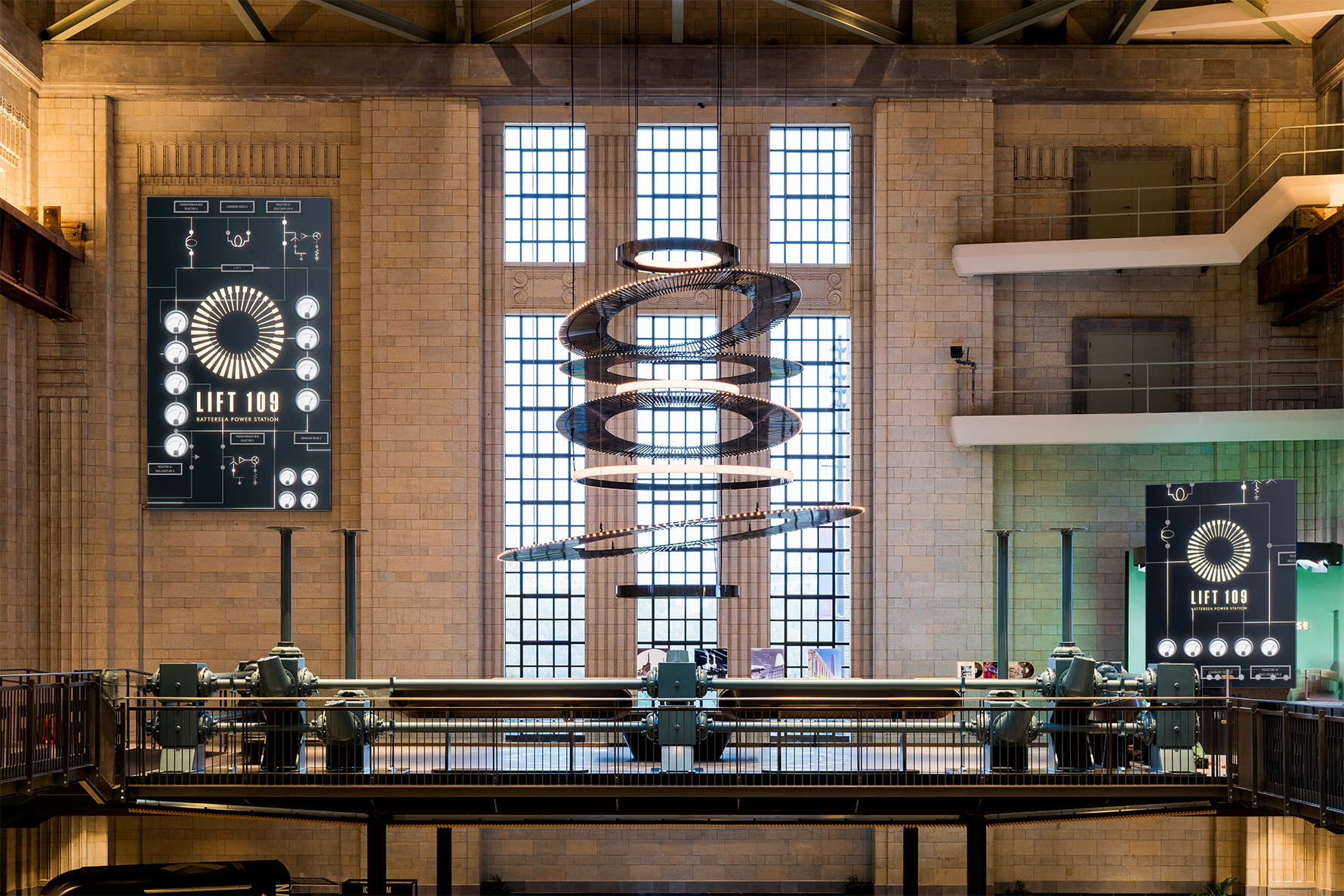
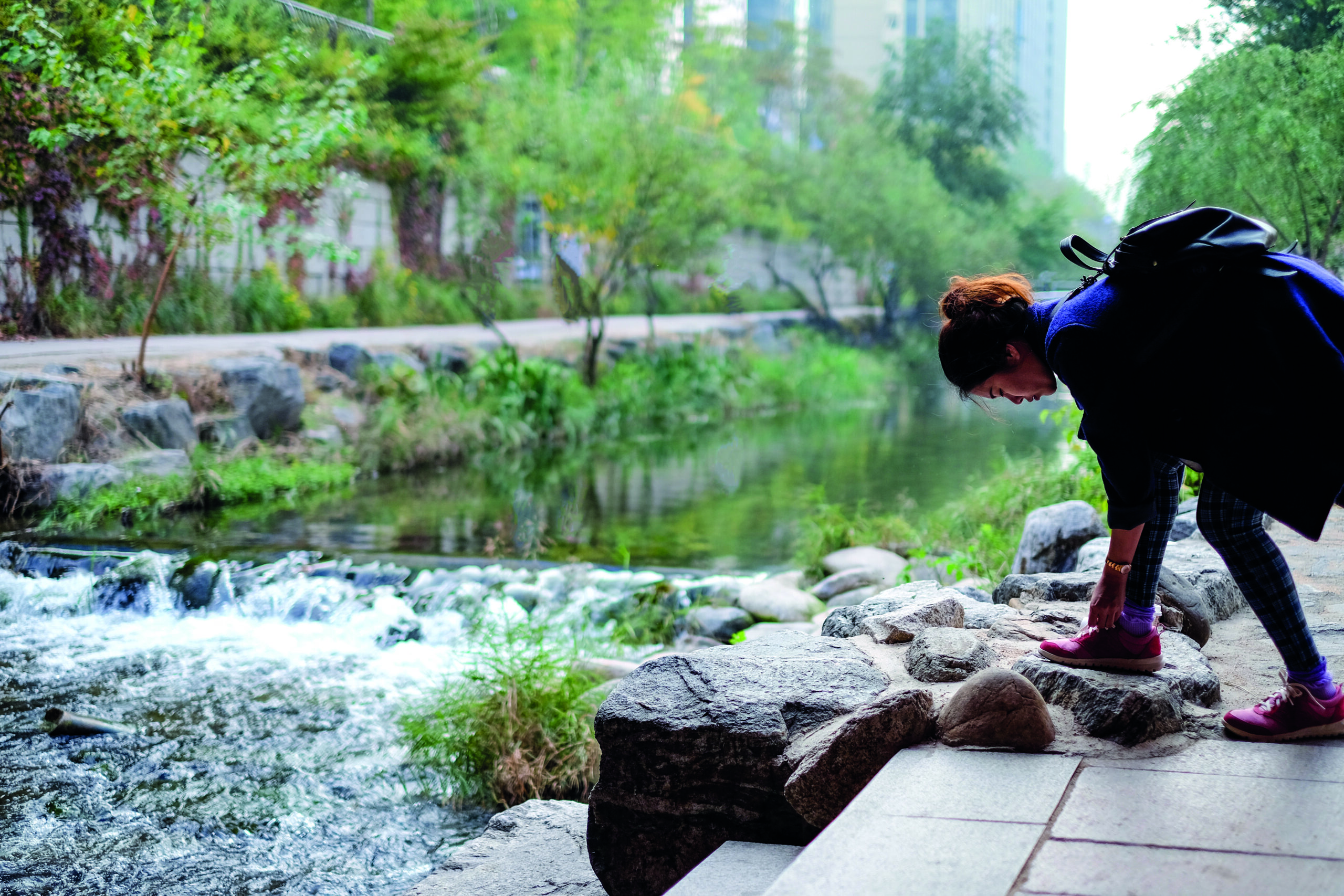
Worldwide, there are some stellar examples from recent decades. In New York City, for example, there is The High Line, a linear park constructed on an elevated former railroad. In Washington, D.C., is The Wharf, a revitalized waterfront area. In London, two great examples are King’s Cross and Battersea Power Station, both of which have totally regenerated former industrial sites. In Singapore, Marina Bay has integrated offices, retail, commerce, hotels, arts, sports and recreation into one vast city quarter. In the South Korean capital, Seoul, there is Cheonggyecheon, a former city sewer that has been turned into a popular urban park. At their core, all these projects have the public good at heart, in addition to any need to generate income.
The concept of placemaking is hardly new. In ancient Greece, citizens would gather in the agora, a public space where commerce, the arts, sports, politics and philosophy were all encouraged. By the Middle Ages, marketplaces and city squares became the focus of communal activity.
But it wasn’t until the 1960s that the modern concept of placemaking developed. Writers such as Jane Jacobs and William H. Whyte advocated designing cities for human citizens rather than just for cars and shopping malls, with the focus on lively neighborhoods and inviting public spaces. The Danish architect Jan Gehl summed it up when he said: “First life, then spaces, then buildings – the other way around never works”. He also said: “In a society becoming steadily more privatized with private homes, cars, computers, offices and shopping centers, the public component of our lives is disappearing. It is more and more important to make the cities inviting, so we can meet our fellow citizens face to face and experience directly through our senses. Public life in good quality public spaces is an important part of a democratic life and a full life.”
Even historic buildings and public spaces can adapt to welcome new users. Take, for example, city museums. Journey has worked with The British Museum and the Victoria and Albert Museum in London, the Musée National de la Marine in Paris, and The Phillip and Patricia Frost Museum of Science in Miami. Many of these famous institutions are trying their utmost to shed their elitist images and attract new audiences – they have realized museums can function as much more than mere repositories for treasures and artworks.
“They have seen how members of the local community use the museums for other reasons. They might picnic on the front lawn, for example. Or they might do their graduate photographs in front of the columns on the front steps. They might use the observation deck to take photos across their city. Or they might just come along to meet in the museum café. For centuries these museums have been focused purely on their collections inside, but now they have started to rethink how they might reach out to the community living and working nearby.”
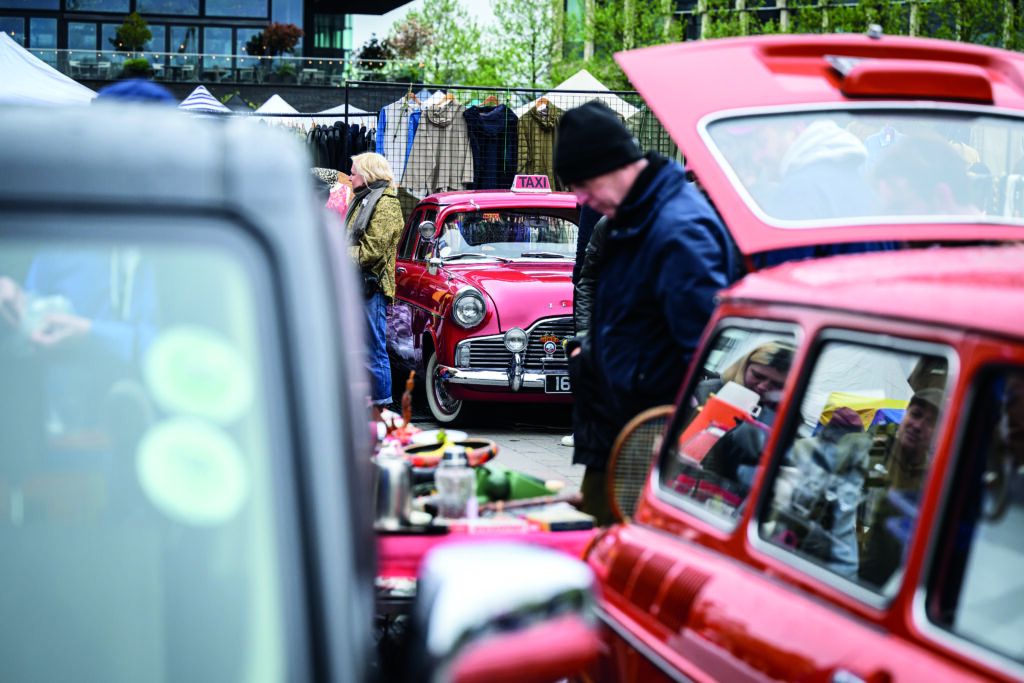
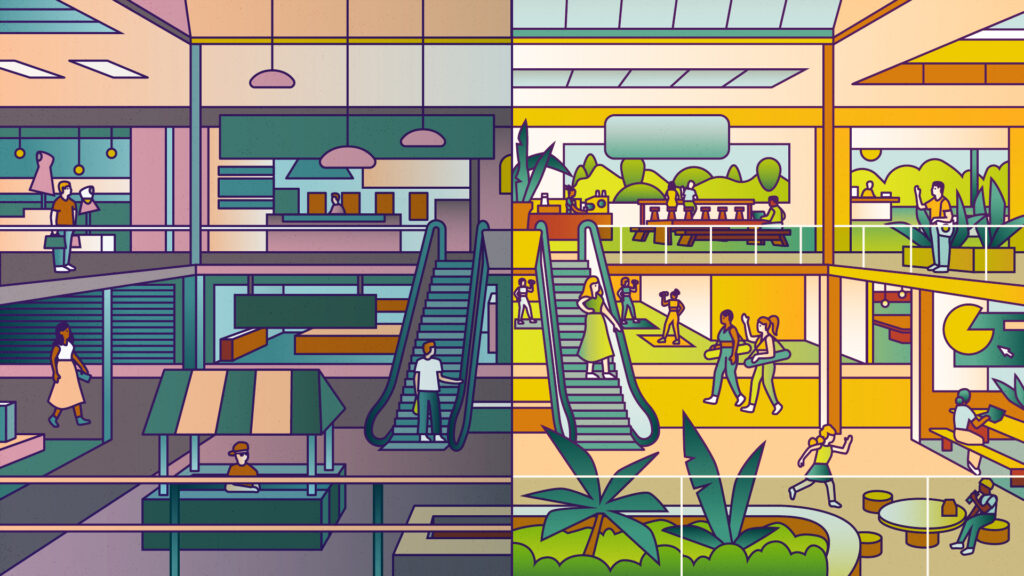
Placemaking has encouraged city authorities to blur the boundaries between different types of leisure and entertainment. Take New York City for example – in years gone by, the demographic of people who attended the Metropolitan Opera or the New York Philharmonic would have been totally different from those who went to Broadway, or a Mets baseball game or a concert at the Bowery Ballroom. But now, public institutions know they must appeal to new audiences to generate the income they need. There isn’t the patronage there once was, where you might throw a gala dinner, for example, to raise the ten million dollars you needed to fund your next opera season.
As certain cities grow in size and importance worldwide, the future for placemaking is brighter than ever. Placemaking proves that when people shape the places around them, streets become stages, parks become meeting grounds, and buildings become part of a shared story. It’s a reminder that great cities aren’t measured in skylines, but in the everyday moments they make possible. In this new era of placemaking, all of us—designers, citizens, and communities alike—are the co-authors of the places we call home.