
The Afterlife of Pop Stars
The virtual ABBA pop concerts in London have proved you don’t need real stars to perform in the flesh to sell tickets. So, why aren’t other famous musicians and bands staging virtual concerts?
The virtual ABBA pop concerts in London have proved you don’t need real stars to perform in the flesh to sell tickets. So, why aren’t other famous musicians and bands staging virtual concerts? Music strategist and podcaster Keith Jopling negotiates a minefield of copyrights, permissions and family estates.
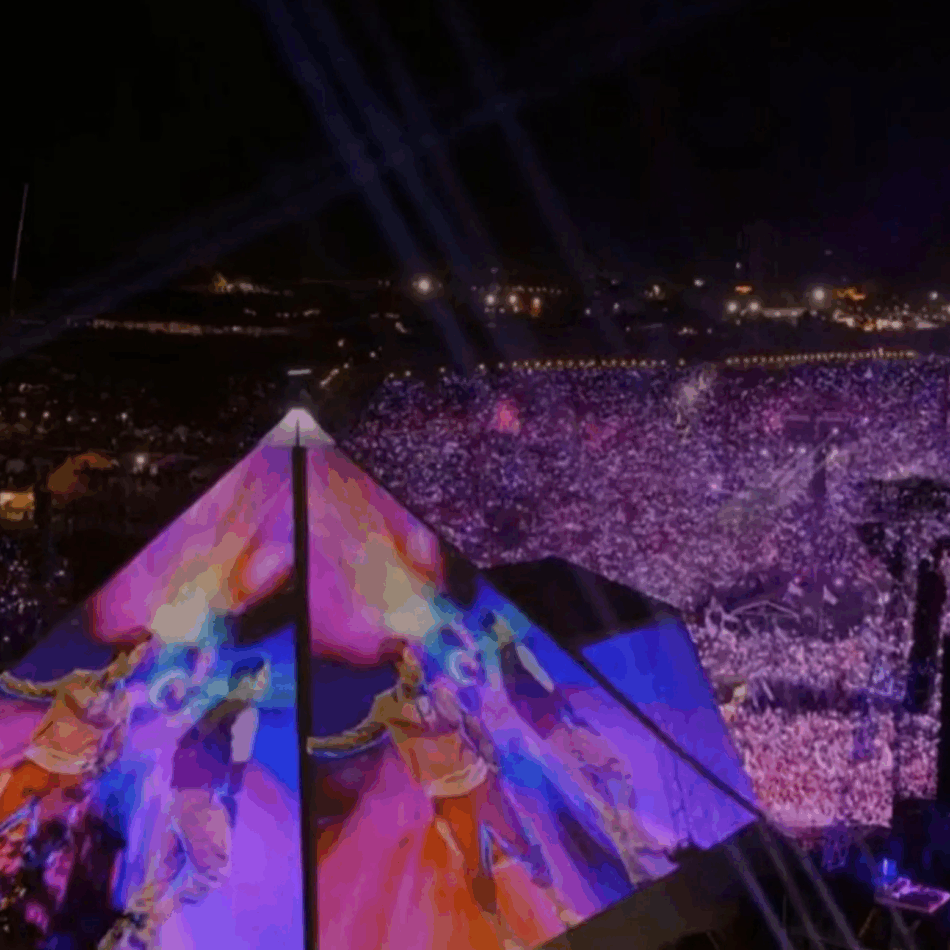
ABBA Voyage has been a sell-out ever since the show first launched in May 2022, with an estimated four million fans attending the virtual concert in London. For the producers, using digitally-created avatars instead of the real Swedish band members was an enormous gamble. The production costs alone, including the construction of a purpose-built, 3,000-seat venue called ABBA Arena, were rumored to be $175 million.
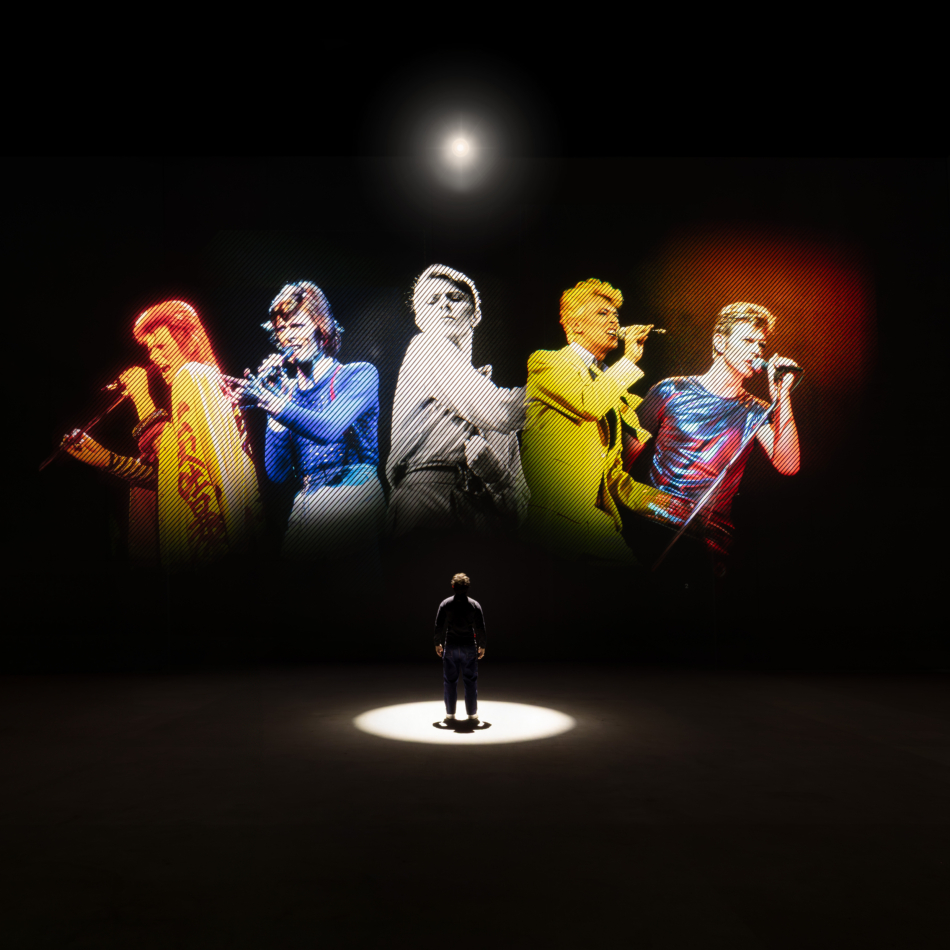
Pophouse Entertainment, the Swedish company behind the show, has now set the bar for what a virtual music concert can achieve. Working with visual effects company Industrial Light & Magic, the four ABBA band members—Agnetha Fältskog, Björn Ulvaeus, Benny Andersson and Anni-Frid Lyngstad—spent weeks in motion-capture suits to create 3D digital avatars that resemble their younger selves. Both fans and critics agree the results are astounding.
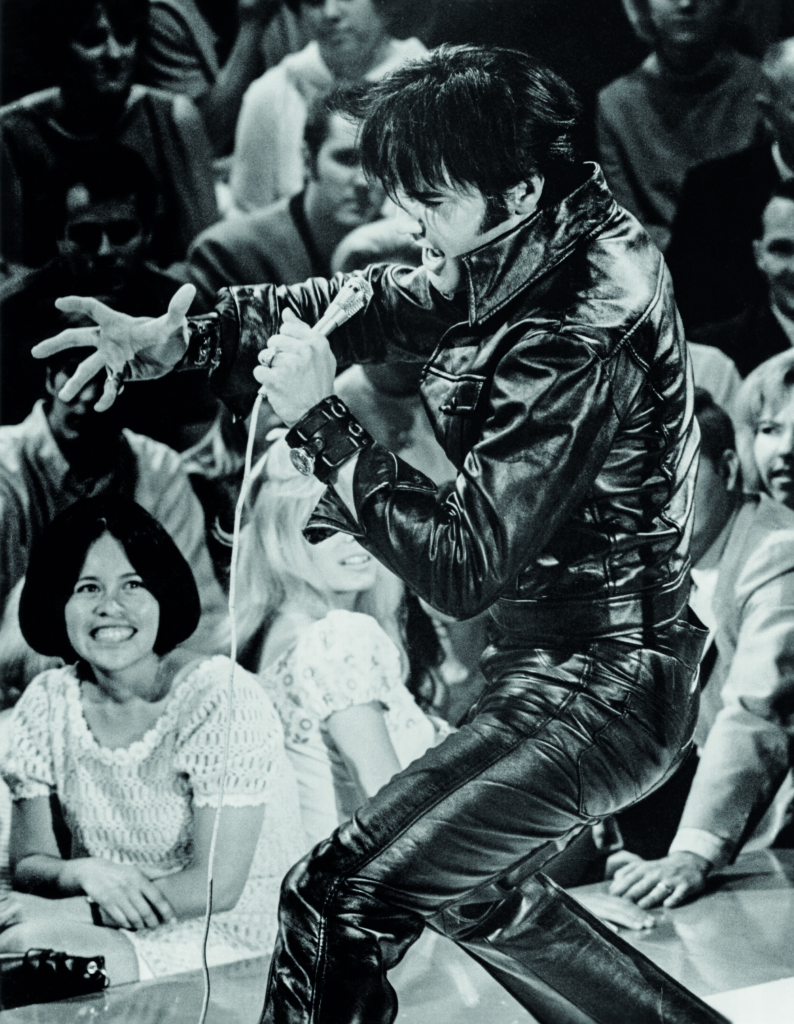
Where ABBA Voyage hits the mark, another high-profile production, Elvis Evolution, appears to have missed. Produced by Layered Reality, in collaboration with Elvis Presley’s estate, it is billed as a “walkthrough immersive experience giving you a multi-sensory journey through Elvis’ rags-to-riches story from country boy to musical icon”. The production includes real-life actors, themed rooms and a live band, combined with archive film material. But the show has gone down like a lead balloon. Many fans expected something closer to ABBA Voyage, and the chance to see a digitally rendered Elvis on stage. Unlike ABBA, however, Elvis is no longer around to help create his own avatar.
It’s unfair to bracket ABBA Voyage and Elvis Evolution together. In essence, they are high-profile experiments: one has worked and one hasn’t. A key challenge for the producers is that this category of entertainment is far from defined.
Imagine a perfectly rendered digital production of Jimi Hendrix’s legendary Woodstock performance in 1969. Or Queen’s performance at Live Aid in 1985. How about The Beatles at Shea Stadium, or even a famous Wolfgang Amadeus Mozart performance?
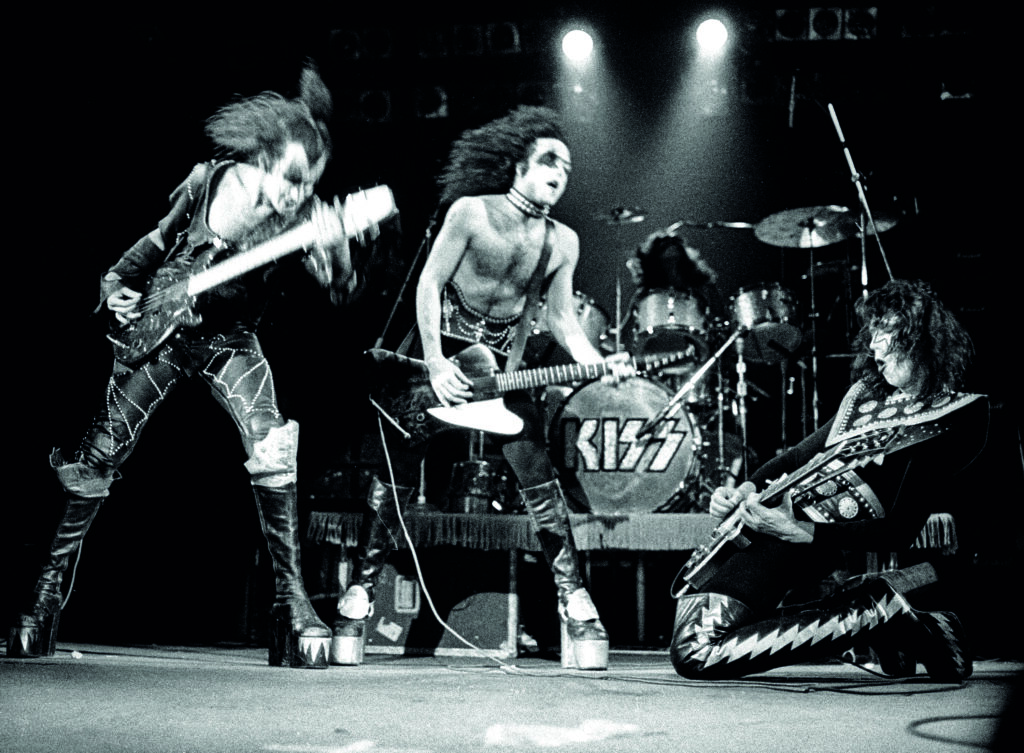
So, what’s next? Pophouse Entertainment has since acquired the copyrights and intellectual property rights to all works by US rock band KISS, in a deal reported to be worth more than $300 million. With the original band now retired from live performance, the producers say they wish to preserve KISS’s “iconic music, enigmatic personas and expressive imagery for generations to come”. That starts with a 2027 tour, featuring virtual avatars, again created by Industrial Light & Magic, but this time with a rumored investment of $200 million.
In the case of ABBA and KISS, the goal is to continue a band’s entertainment (and money-making) power long after retirement. So, why can’t this also work with deceased artists and legends? Ignore Elvis Evolution for a minute. Instead, imagine a perfectly rendered digital production of Jimi Hendrix’s legendary Woodstock performance in 1969. Or Queen’s performance at Live Aid in 1985. How about The Beatles at Shea Stadium, or even a famous Wolfgang Amadeus Mozart performance? For music fans, the possibilities are mouth-watering.
Staging a virtual show is hugely expensive and risky. It also requires clearing a minefield of rights and permissions from many copyright-holders.
Almost four years since ABBA Voyage opened to rave reviews, you’d expect the live music industry to have pounced on such opportunities. After all, Elton John has retired. So has Billy Joel. Led Zeppelin split up decades ago. The Rolling Stones are barely rolling on. The clock is ticking on the music industry’s guaranteed tentpole live performers. Avatar concerts reimagine these acts for new audiences—minus creaky bones and joints. ABBA Voyage offers younger fans a glimpse of the group frozen in their prime, while those who were there first time around experience delirious nostalgia.
Better than the real thing?
While purists dismiss virtual concerts as gimmicky, there’s no disputing their popularity. Here are some memorable examples.
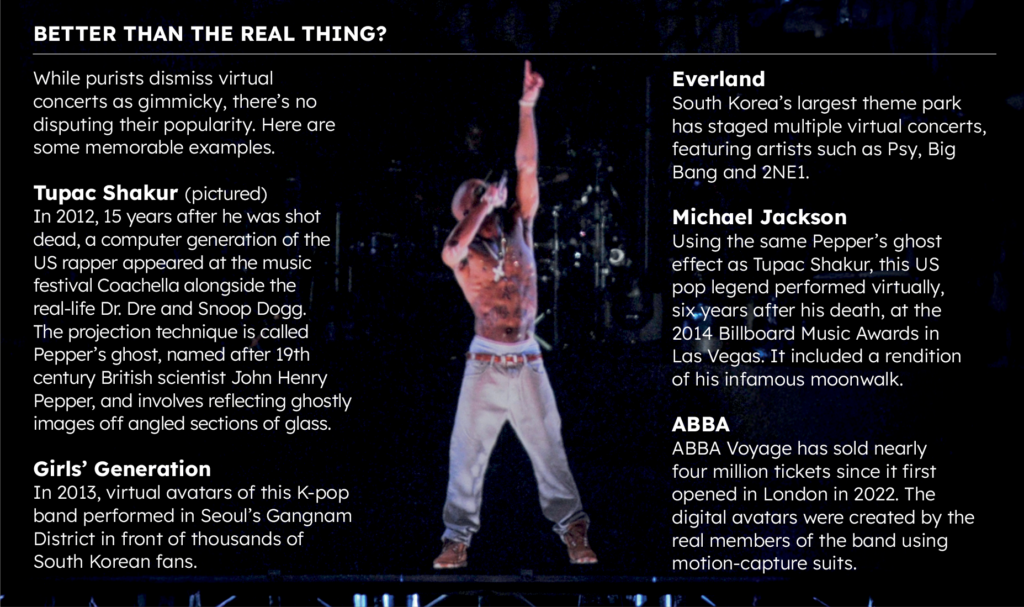
So why aren’t more virtual concerts already in production? The key reason is cost. These shows are hugely expensive, and therefore massively risky—far riskier than standard concert tours. ABBA Voyage needed to run for a long time in order to cross into profit. To reduce the financial risk, new, cheaper technology is required.
Staging virtual shows also requires clearing a minefield of rights and permissions from many copyright-holders. This becomes more complex with the estates of deceased artists. Barney Wragg is head of British production company Unit1 Studio which plans to create virtual concerts for multiple music stars, using avatars—similar to the ABBA Voyage show. His first job was a digital recreation for Scottish singer-songwriter KT Tunstall. Having spent most of his career in entertainment, he doesn’t view copyright as a major barrier. “The rights can be negotiated if the will is there to do it,” he says.
But is the will always there? Eamonn Forde is a music journalist and author of Leaving the Building: The Lucrative Afterlife of Music Estates. His book covers the complexities of rights within the music industry but also reveals stars’ reluctance to become avatars:
“Many living artists are putting conditions in their wills stating that they should not be turned into a virtual attraction,” he writes. “Some may entertain the idea, but it seems most are squeamish about it at best and outright opposed to it at worst.”
Many artists, especially older ones, are frightened off by the rapid onslaught of AI technology, so that producers of virtual concert tours will need to work hard to ensure their productions stand up artistically and, at the very least, leave the legends with their integrity intact. With so many artists sceptical, the pool of talent for the biggest shows—and therefore the most viable and least risky—may already be smaller than we think. As Forde explains:
“Only a handful of acts are famous enough globally for the numbers to make sense. This will not be a universal strategy for dead acts. If your name is not big enough to make a jukebox musical work in your lifetime, the audience for a virtual show is simply not going to be there.”
At best, these shows are high-concept, technologized theatre, merging cutting-edge film production with concert rituals—but also guaranteed perfect performances, night after night. From a fan’s perspective, virtual concerts cut down on travel and carbon footprint. Companies can now design shows that would be impossible in regular concert venues. In the next decade or so, Wragg envisages a whole global network of virtual concert venues.
But one important question remains. Is a virtual performance equivalent to a live one? Fans will always be unforgiving (as with Elvis Evolution and a few previous early attempts at holograms) when a digital representation fails to capture the nuance of a performer’s human presence. Indeed, perhaps it is the unpredictability and surprise—and imperfection—of live shows that music fans really find compelling. They must be emotional. Production companies will no doubt relish these challenges. However, plenty of other challenging digital technologies have fallen by the wayside in recent years.
This is far-out, risky stuff, requiring big belief, big bets and impeccable business planning. And, as ABBA Voyage has proved, brilliant execution. It has to be better than the real thing.