

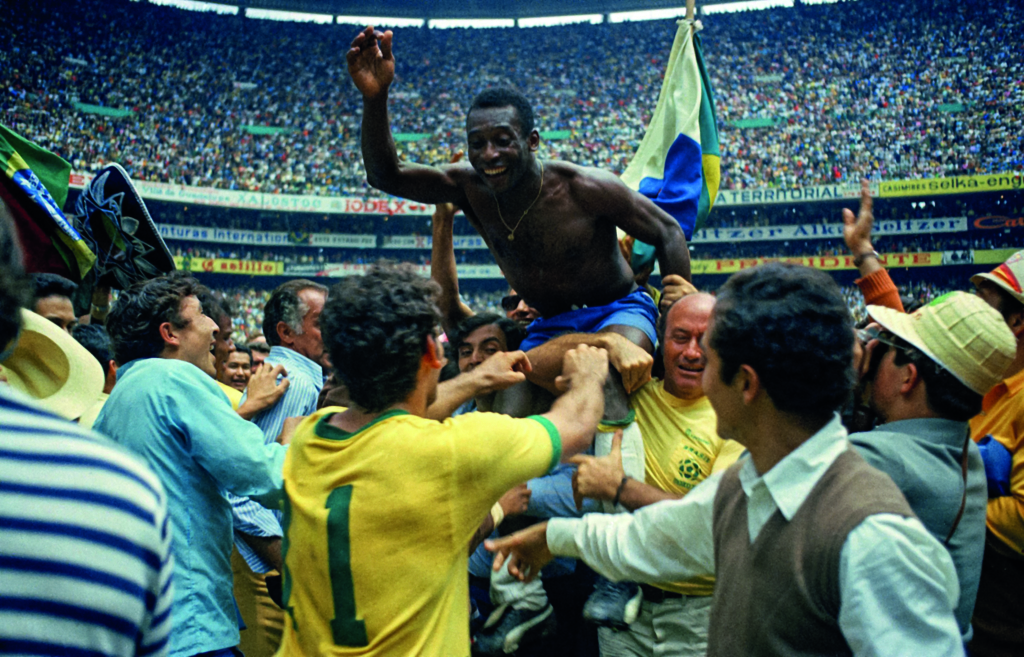
Pelé, perhaps the greatest soccer player ever to draw breath, certainly knew how to win the World Cup. “Everything is practice,” said this supreme athlete who lifted the trophy three times. But is there more to winning the Beautiful Game’s ultimate prize? Of course skill, athleticism, luck and grit all play a vital role. What about home advantage, kit color, economics, leadership, and penalty shoot-outs? It turns out all these are crucial too.
Call it the Blues…
This does not feel like a coincidence, but almost a guaranteed prediction. In 16 of the 22 World Cups held so far, the victors have worn a kit in which the color blue has featured. Uruguay, Italy, France and Argentina have 11 trophies between them, wearing shirts in which blue predominated. Brazil may be famous for their golden shirts, but they wore blue for their first World Cup win, in 1958; Sweden, their co-finalists, won a ballot to see which side would play in their preferred yellow tops and probably now wish they hadn’t. Brazil’s four other victories came with them wearing yellow, but no prizes for guessing what color their shorts were.
Win Your Group…
In a long tournament, it can be tempting to think you have time to hit your stride. Think again. Topping your group is now almost a pre-requisite for winning the title, even if you do so without playing particularly well. Not since Italy finished second in their group in 1982 has the eventual winner failed to top their group. Generally, the winners must also win their first game, though both the marvelous Spanish side of 2010 and Argentina, in Qatar in 2022, lost their openers—the Argentineans spectacularly to Saudi Arabia. Nonetheless, despite those opening defeats, both teams clawed their way back and ended up winning their groups.
… But Don’t Start Too Fast
While winning your group is usually a requirement for success, it’s generally wise to keep your best soccer for later in the tournament. Except for a spell between 1990 and 2010, every World Cup- winning side has scored more goals per game in the knock-out stages than in the group stages. World Cup history is littered with sides who peaked too soon. Famously, the Hungary side of Ferenc Puskas scored 17 goals in the two group games in 1954, 10 more than did West Germany, who would later beat the Hungarians in the final. Since then, only two World Cup winners have entered the tournament’s second phase as outright leading scorers: West Germany in 1990, with ten goals, and France in 1998, with nine. At the other extreme, Italy went on to win in 1982, despite only scoring two goals in the group stage.

Choose A Home-Grown Manager
Mauricio Pochettino, the Argentinian currently in charge of the United States’ national team, can already forget about lifting the trophy. Every single manager to win the World Cup has been home-born. Admittedly, it’s also true that all but two of the losing finalists were also managed by a home-grown manager, with Sweden, in 1958, managed by Englishman George Raynor, and the Netherlands beaten in the 1978 final under the guidance of Austrian Ernst Happel. So, while a home-grown manager doesn’t mean you won’t lose a final, it’s as safe a bet as there is that you won’t win it without one.
Lead From The Back
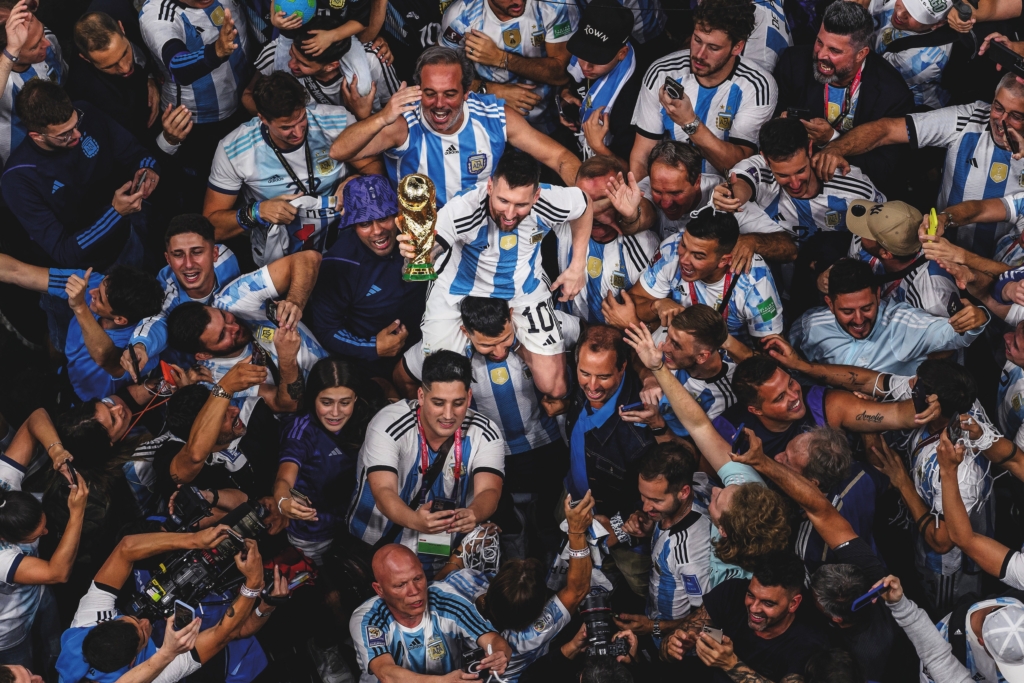
It is perhaps fitting that the only two out- and-out forward players to captain their side to World Cup glory from the front were Argentina’s two geniuses: Diego Maradona in 1986 and Lionel Messi in 2022. A couple of attacking midfielders captained the Italians, in 1938, and the Germans, in 1954, but otherwise the winning captain has always been a defender, midfielder or, on five occasions, a goalkeeper.
Don’t be Pre-Tournament Favorites
Being the pre-tournament favorites is something to avoid. Since 1966, favorites have won the World Cup on just three occasions: West Germany (1974), Brazil (1994), and Spain (2010). The only other occasion a favorite made the final was when Brazil lost to France in 1998. Otherwise it has been an exit earlier on in the knock-out stages or, embarrassingly on four occasions, at the group stage, as the pressure to meet the pre-tournament billing proved too much to handle.
Prepare For Penalties
No team can now enter a World Cup without rigorous preparations for penalties. Almost a third of matches in the knock-out phase at the last World Cup in Qatar went to penalties. Shoot-outs were introduced into the tournament in 1978, prior to which tied games in the knock-out stage were either replayed or sorted by the drawing of lots. In the 12 tournaments since then, five of the eventual winners had to navigate the perils of a penalty-shoot out at some point en route to lifting the trophy. Three of those shoot-outs in fact took place in the final itself, with Brazil the first team to win on a shoot- out, in 1994, followed by Italy in 2006 and Argentina in 2022 (having also come through on penalties in the quarter-finals).
Be Part of the Big Six
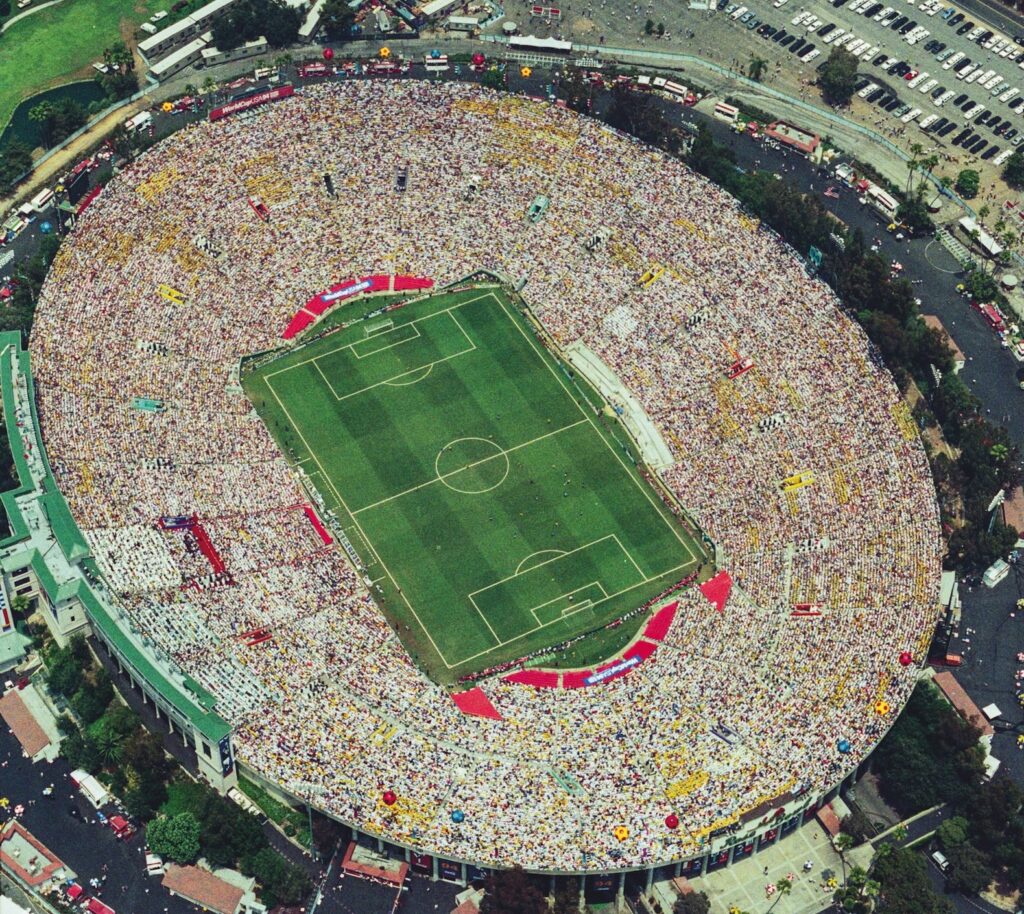
While the number of teams competing in the World Cup finals is rising to 48— triple the number that took part in 1978—the number of teams likely to win is small. Only eight countries have lifted the trophy. Of these, England (1966) and Spain (2010) have won just once; and Uruguay twice, in the tournament’s nascent years. That means 18 of the 22 tournaments have been won by just five countries: Brazil, Italy, France, Argentina and Germany. Compare this to the major European and South American international competitions. The European Championships have seen ten different winners, including relative minnows Denmark and Greece, while the Copa America has been won by eight nations, including Colombia and Peru. In other words, the World Cup brings the cream to the surface. World Cup glory is the preserve of soccer’s traditional power base.
Balance the Books
If you’re looking for an economic reason to work out who might win, keep an eye out for GDP growth, which the World Bank started to measure in 1960. Since then, the only winners while their nation was in economic decline was Argentina in 1978. They were certainly back on track when they won in 2022, at which point the country was enjoying a healthy 5.3 per cent GDP growth. Of course, GDP growth does not equate to wealth and, if wealth were the measure, then USA would have won the World Cup five times rather than Brazil. Nonetheless, it is noticeable that Brazil’s World Cup doldrums in the 1980s coincided with an era in which the country found itself in regular recession.
Travel Well
While playing at home in any sport almost always confers an advantage, it is now almost certain the victorious nation in a World Cup will have to win without the support of a partisan home crowd. That’s because it is increasingly unlikely the host nation will win the World Cup. Since 1978, only France, in 1998, has managed to win on home soil. This is a marked shift from the years prior to 1978, when five of the 11 tournaments were won by the host nation. Part of the explanation is FIFA’s decision to award the World Cup to hosts who don’t come from soccer’s top tier. Yet, such an explanation only goes so far. Since 1978, Spain, Italy, Germany and Brazil, all from the sport’s highest rank, have failed to win despite home advantage.
This article was originally published in Journey World Magazine January 2026.
Download Journey World Magazine – Issue 01/2026
To access the full digital edition, please complete the form below.