
The Mug that Outlasted the Match
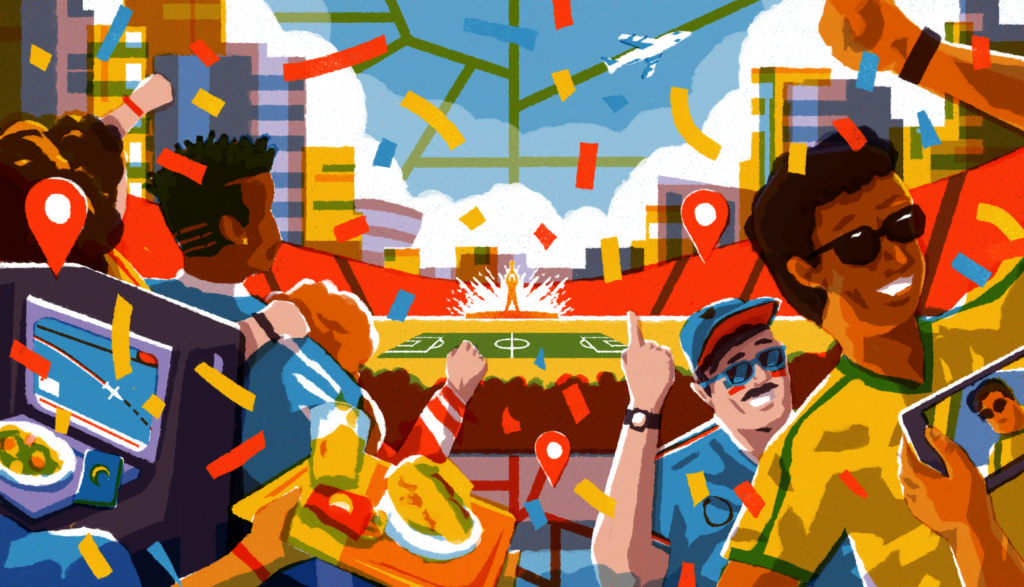
The 5 million fans expected to attend the 2026 FIFA World Cup in person will not experience the tournament inside a stadium. They’ll experience it across an entire city (or several) through airports and transit hubs, across public plazas and fan zones, within hospitality spaces and street-level moments of connection.
This is the real challenge of designing a global sporting event at the scale of the 2026 FIFA World Cup. Fans don’t process tournaments as isolated ninety-minute matches but as larger emotional journeys shaped by the trip to the stadium, the energy of waving flags at the gates, the wait for food and drinks at halftime… and ideally some shared human moments that transcend all of that.
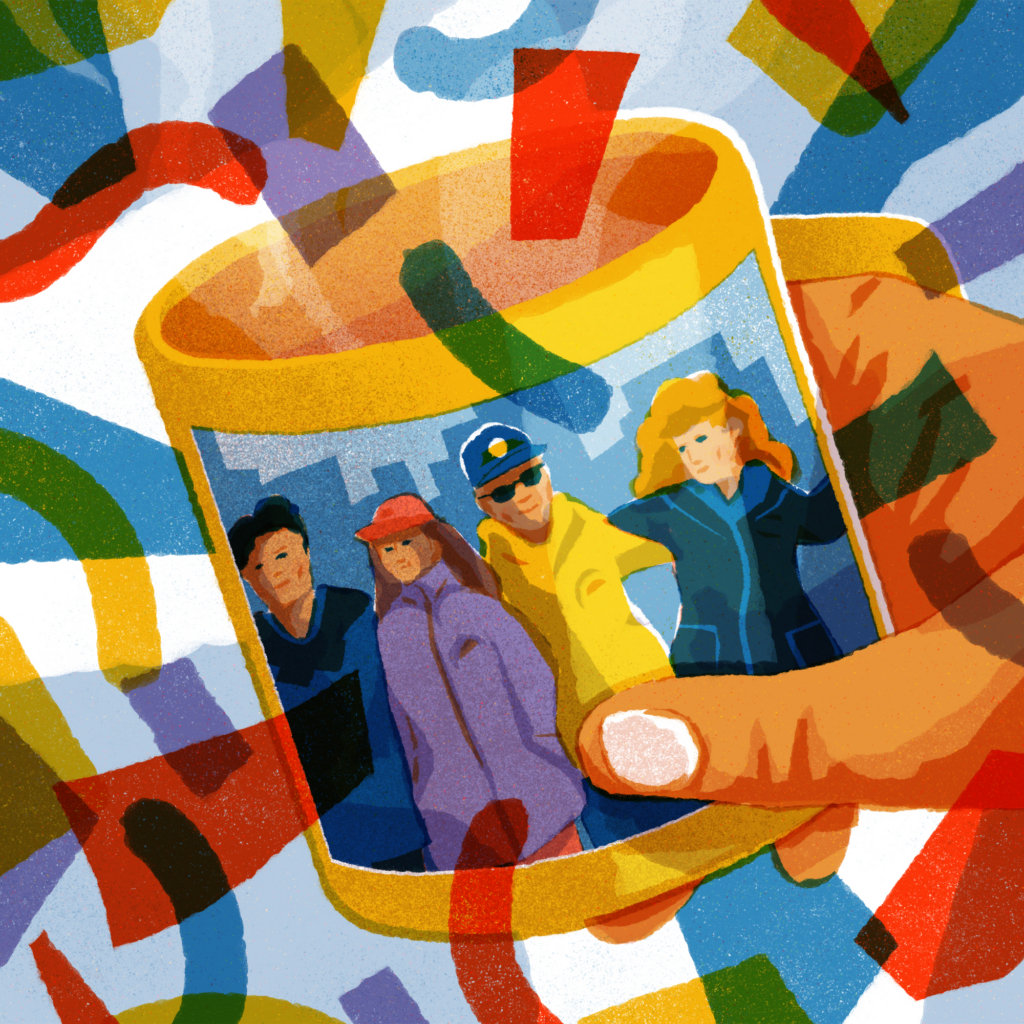
Case in point: my own 2018 World Cup experience in St. Petersburg. My family and I rode to the match with a local driver named Dimitri, who insisted on taking a photo of our group with his own phone before we joined the waves of yellow-jerseyed fans walking into Krestovsky Stadium. When Dimitri returned for us after the match, he came bearing gifts: yellow mugs, the color of our home country Brazil, printed with the photo of us.
Years later, I remember the mug more vividly than many other aspects of the match because the memory wasn’t created exclusively inside the stadium. It was shaped by the city of St. Petersburg and its people, the journey to the match, and the unexpected moments of connection surrounding it.
This year’s World Cup, which extends across three countries and sixteen host cities, raises the question of how to build an end-to-end visitor experience that makes every layer of the journey feel intentional. From the first touchpoint hours before kickoff to the last, the most memorable moments will be those where people feel welcomed and connected, and where fans are given the opportunity to leave their own imprint on the experience.
Where Anticipation Takes Shape
Before fans even reach the stadium, they have to navigate the complexity of getting there. If you don’t have your own Dimitri to guide you, traveling through an unfamiliar city can quickly become mentally exhausting.
Experience designers can take an example from leading global transit hubs, which demonstrate how environments can be designed to reduce cognitive load while supporting emotionally grounding experiences. The Singapore Changi Airport, for instance, uses intuitive wayfinding, long sightlines, multilingual signage, and calming greenery, natural light, and water elements to create a seamless experience for its nearly 70 million annual passengers.
Amsterdam’s Schiphol Airport has done something similar introducing a minimal and modern aesthetic and features like indoor green spaces and quiet zones for travelers to center themselves. Even seemingly small details like self-checkout tablets in the food halls at JFK’s JetBlue Terminal Lounge in New York can reduce moments of friction and waiting during the journey.
With the right master planning, stadiums can design their pre-arrival experiences to feel similarly intuitive, creating space for anticipation and excitement to take over. Partnerships with rideshare companies, for example, can deliver tailored video content and hype up fans before the stadium even comes into sight. Biometric entry points like the ones at Allegiant Stadium can eliminate the bottlenecks of fumbling with tickets at the gate. And intelligent AI concierges can help answer questions and provide wayfinding info for fans before they ever set foot in the parking lot.
Through the Turnstiles
Once fans arrive at the stadium, a different kind of friction emerges: one shaped by crowd density, urgency, and the pressures of navigating unfamiliar environments alongside tens of thousands of people. Inside the stadium grounds, basic moments like accessing food, drinks, or restrooms can quickly become additional sources of friction.
In Los Angeles, the SoFi Stadium stands out for its approach to reducing friction across the entire guest journey. Its in-app ecosystem supports real-time wayfinding across both the stadium and its surrounding district, allowing a seamless “curb to seat” experience that guides visitors from parking and transportation hubs directly to their destination.
Rather than overwhelming guests with logistical decision-making, the experience is designed to feel intuitive and flexible, helping attendees remain focused on the excitement of the event itself.
Live Systems, Living Audiences
Reducing friction is a great starting point, but it’s not the only thing that leads to memorable experiences. Once fans feel oriented, welcomed, and emotionally present, the opportunity shifts from navigation to participation.
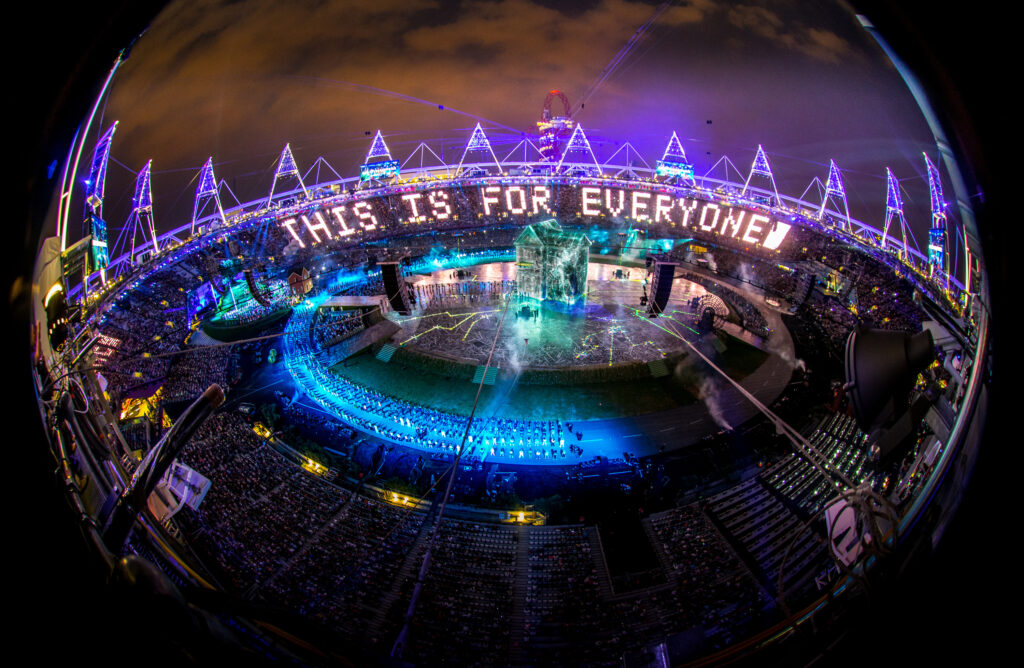
Rather than treating fans as passive audiences, some venues are creating chances to leave a visible imprint on the event itself. In a living venue, fans can influence the experience themselves, with their actions, reactions, and energy shaping the moment. They become part of crowd-driven light choreography, live voting moments, personalized replay experiences, and other interactive forms of engagement.
Tottenham Hotspur Stadium is one such venue. Journey’s F1 Drive experience at the stadium used participants’ live race data to personalize key moments throughout the experience, from locker room displays to podium celebrations. Another example is the innovative Nova Armrest at Intuit Dome, the home of the NBA’s LA Clippers. Each spectator seat includes Xbox-style controller buttons that allow fans to form unique, personal memories of the event with live trivia, voting, and interactive sponsored activities.
For 2026 and beyond, we’ll see the concept continue to evolve. A fan may leave the stadium with something they helped create — a personalized replay, a collective light sequence, a digital artifact of their presence in the stadium’s story — and know that a piece of the match exists because they were there.
After the Match
For many fans, leaving before the final whistle to avoid crowd bottlenecks has become an accepted part of the live sports experience. But it shouldn’t have to be. The best venues understand that the emotional peak of a match doesn’t have to end when the scoreboard shuts off.
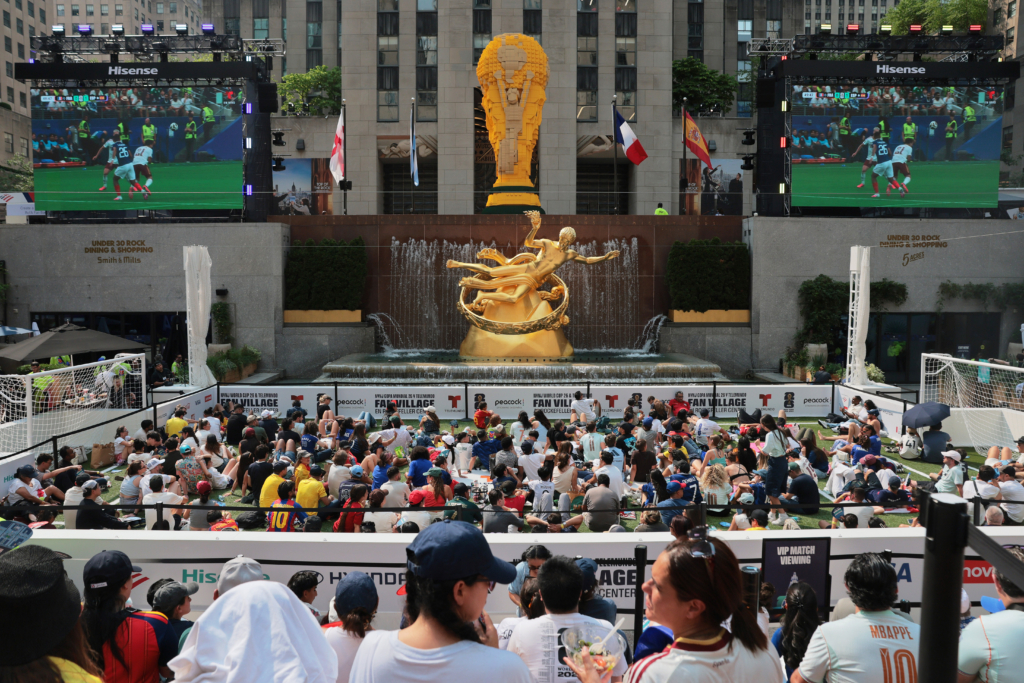
The 2022 FIFA World Cup in Qatar offers a compelling example. Doha hosted a large-scale fan festival that extended engagement far beyond the stadium footprint, drawing over 1.8 million visitors across the tournament by combining live broadcasts, musical performances, food, and interactive activities. Even fans without tickets could still feel the energy of the experience across the tournament, and the city itself became an active participant in the event rather than just a backdrop.
Forward-thinking venues are building on this model in increasingly creative ways. Some stadiums now partner with local restaurants, clubs, and bars to give fans curated spaces to celebrate or commiserate, turning the end of the game into the beginning of something else entirely. Others use immersive highlight experiences to let fans relive the moments they loved or catch the ones they missed. A single ticket, handled well, can anchor an entire day and drive the kind of deeper fan loyalty that every venue wants.
Memory: What We Carry Home
Great stadium experiences are constructed across an entire emotional system: begun before arrival, shaped through navigation, deepened through participation, and expanded across the city itself. Memory is what emerges when all of these layers align.
Fans traveling to the 2026 World Cup will feel the tournament not just inside stadiums but across train platforms, hotel lobbies, fan festivals, neighborhood restaurants, and the spontaneous encounters in between. The question is, are cities and venues actively taking advantage of the chance to become part of the event’s emotional architecture, or are they letting it slip by?
In 2018, a St. Petersburg driver with a smartphone understood memory-making better than many global operators. In 2026, we’ll see if the designers building this experience have the tools and the vision to do what Dimitri did — deliberately, memorably, and for millions of people at once.