

Client
British Museum
Location
UK
Collaborators
Myth Studio
Coda to Coda
Sector
Cultural Institutions & Museums
Services Provided:
Story
Narrative Development
Creative Concepting
Scripting & Messaging
A historical moment
As the Bayeux Tapestry arrived in Britain for the first time in almost 1,000 years, its arrival extended far beyond its display at the British Museum in London. This historic loan became a truly national cultural moment, with communities across the UK invited to engage with its story, legacy and significance.

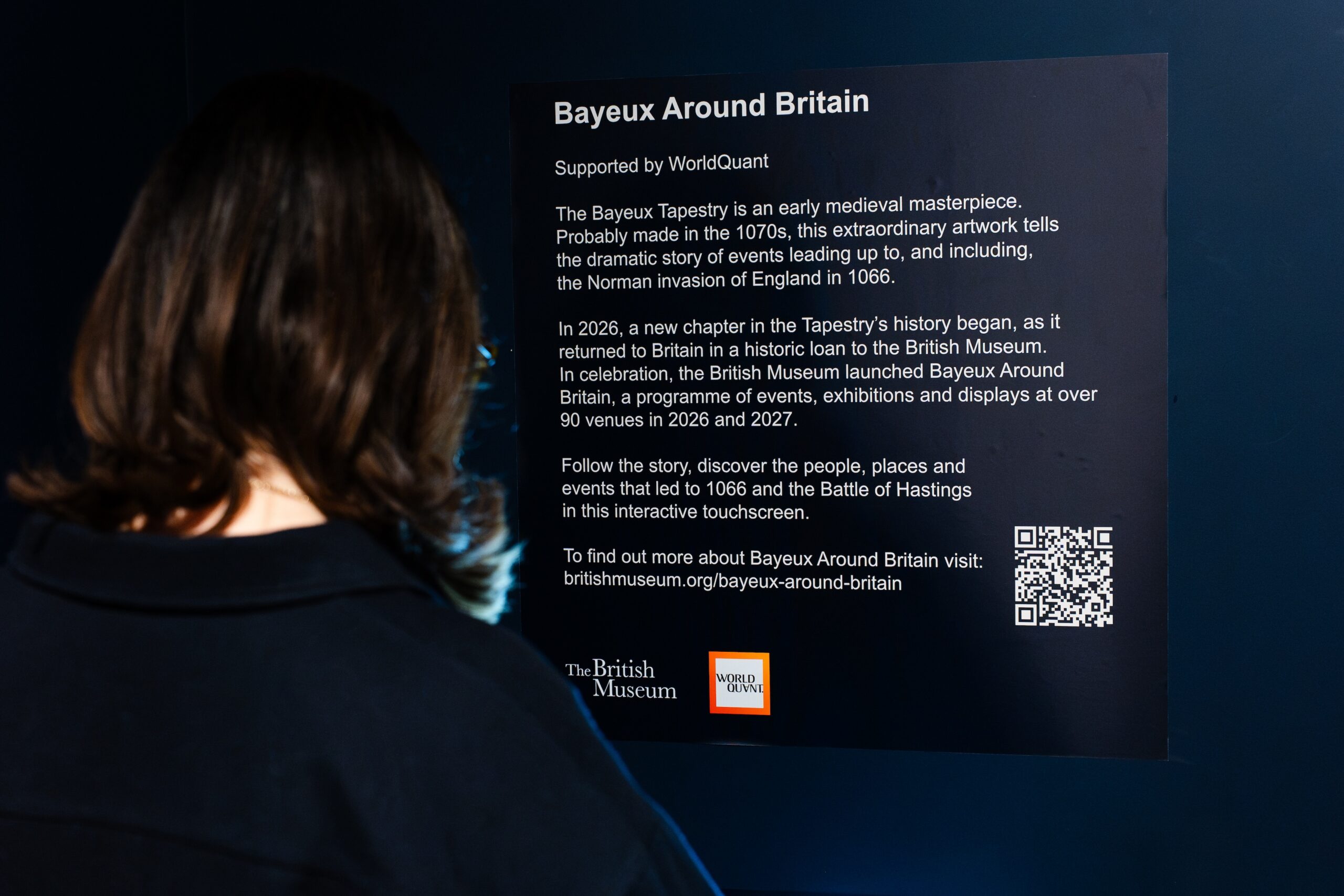
Bayeux Around Britain, supported by WorldQuant, extends the impact of the main exhibition through a wide-reaching program of public experiences, artworks, activations, events and exhibitions. Journey developed the narrative strategy, audience experience approach and creative direction behind the program’s public activations and experiences, with production by Myth Studio and sound by Coda to Coda. Together, this work brings the stories of the Tapestry to life, helping audiences connect with the people, places and events it depicts.
Challenge
How do you tell the story of one of the world’s most important historical objects when the object itself is hundreds of miles away?
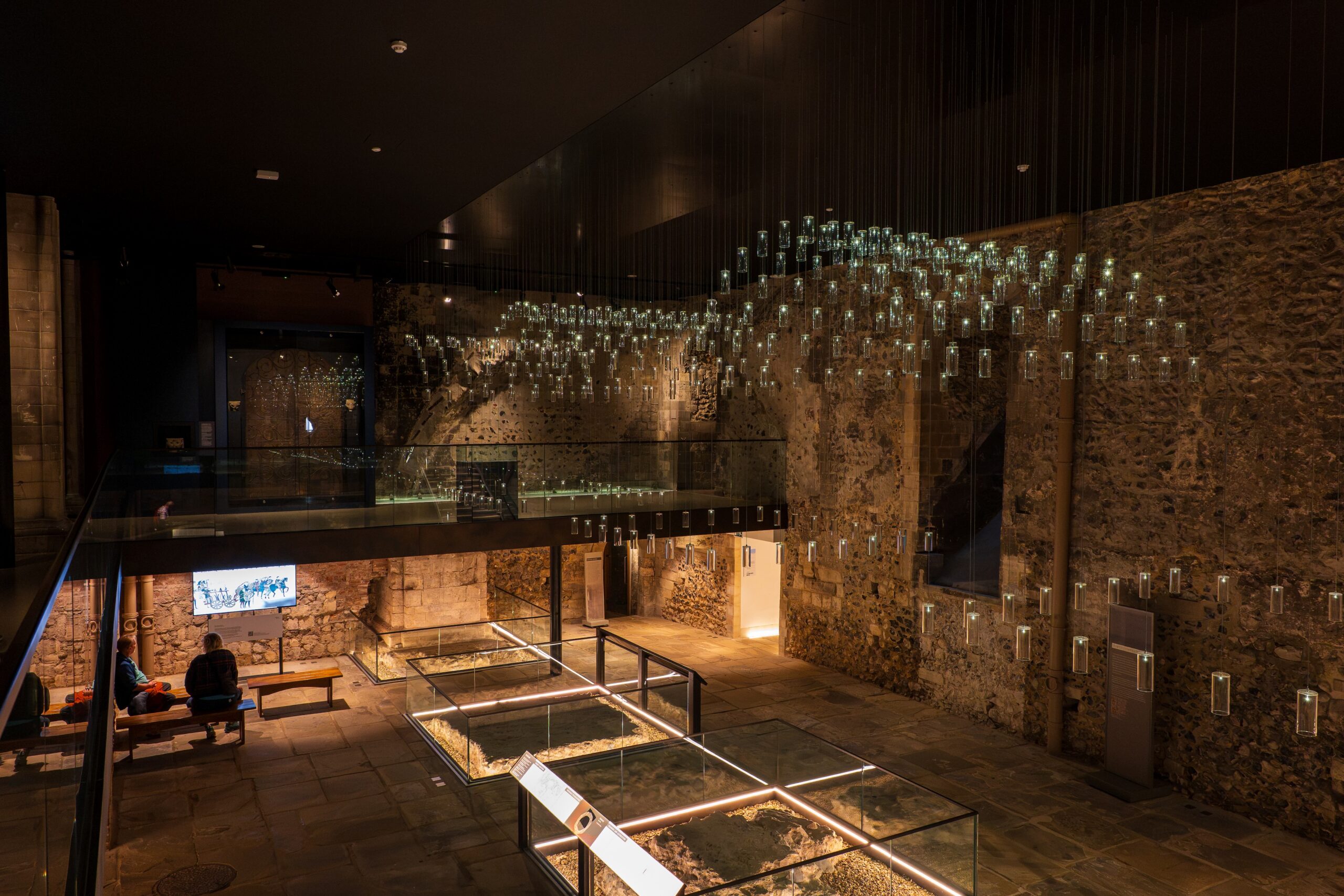
Rather than attempting to recreate the Tapestry itself, Bayeux Around Britain, supported by WorldQuant, explores how its story can be experienced through different forms and in different places. Through a network of more than 90 locations, spanning museums, castles, city centers, galleries, libraries, archives, cathedrals and heritage sites, the program brings Bayeux Tapestry-related activity within an hour’s drive of two-thirds of the UK population.
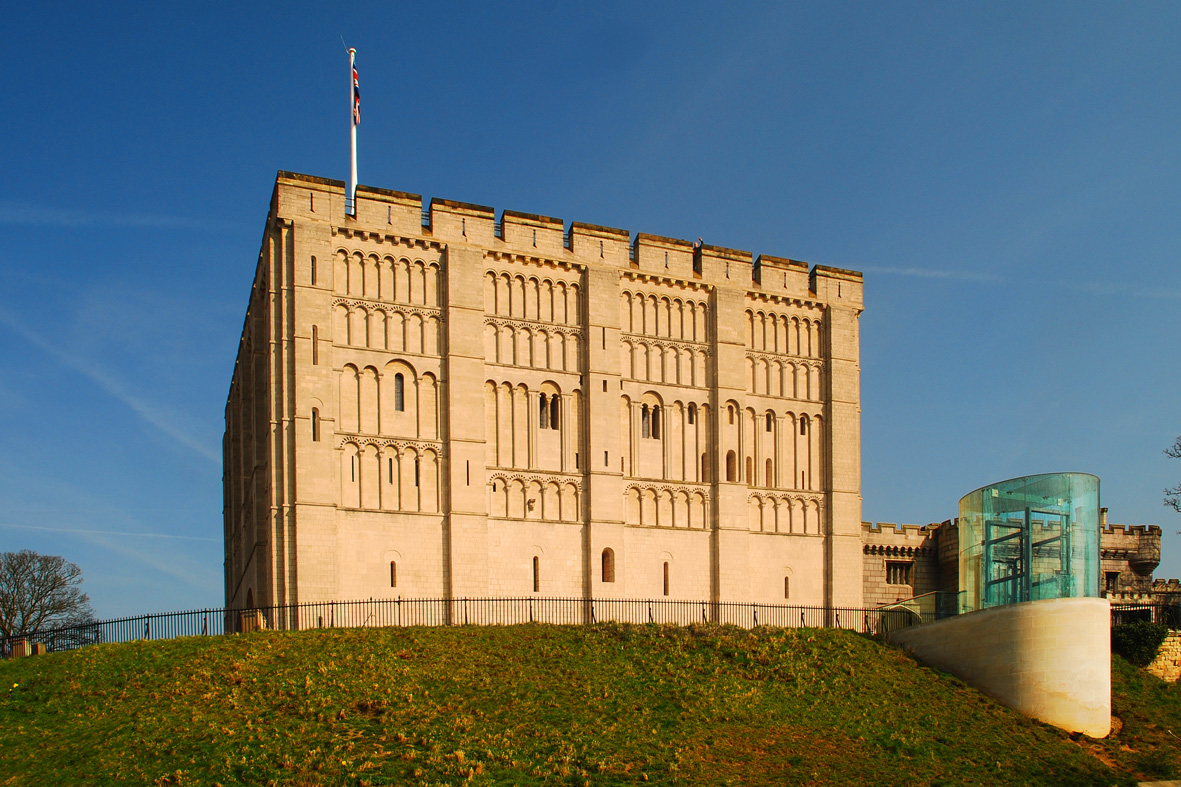
The challenge was to create a shared storytelling experience that could travel across this diverse network, while giving each location the flexibility to interpret and present the story in a way that reflects its own collections, historical context and audiences.
Solution
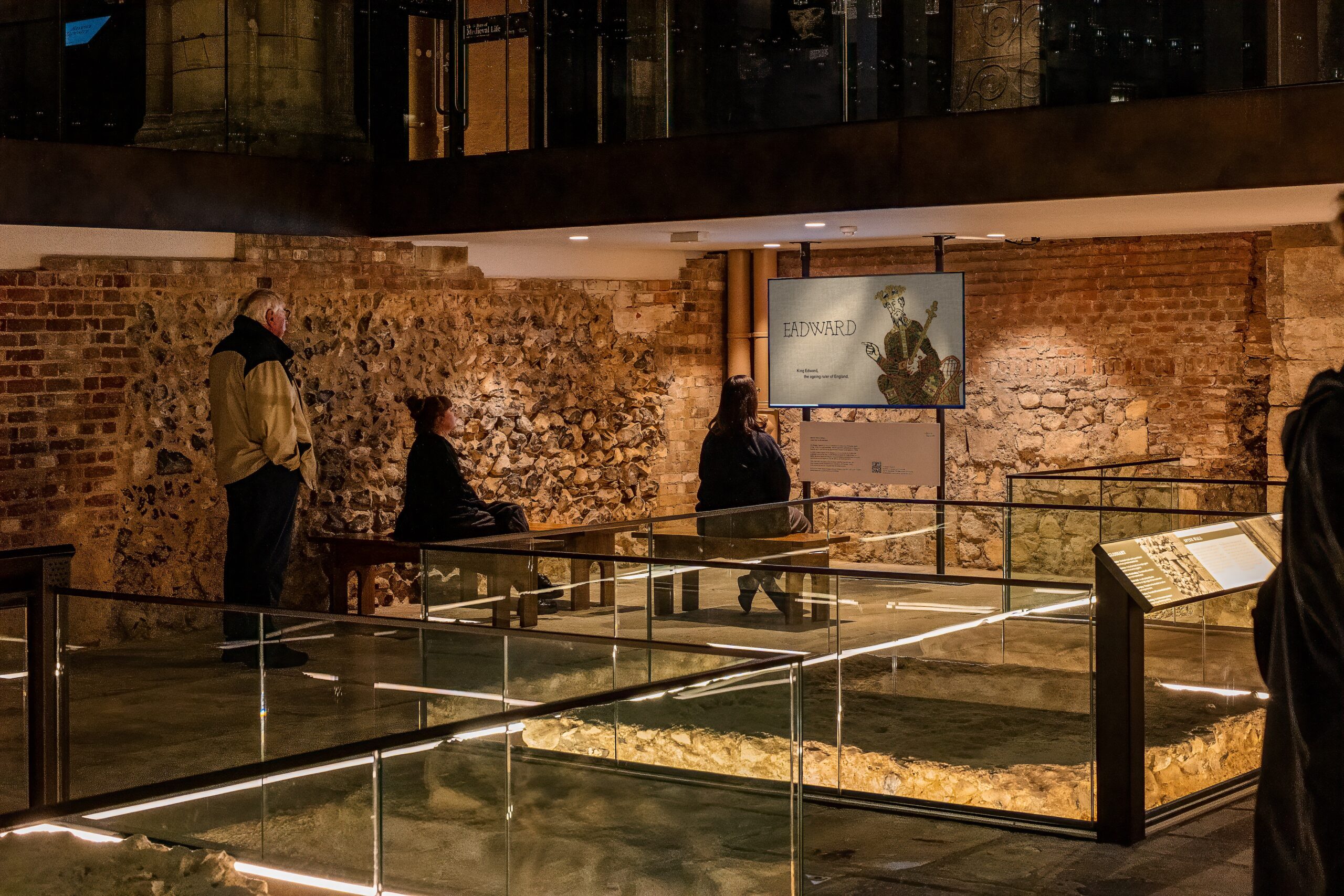
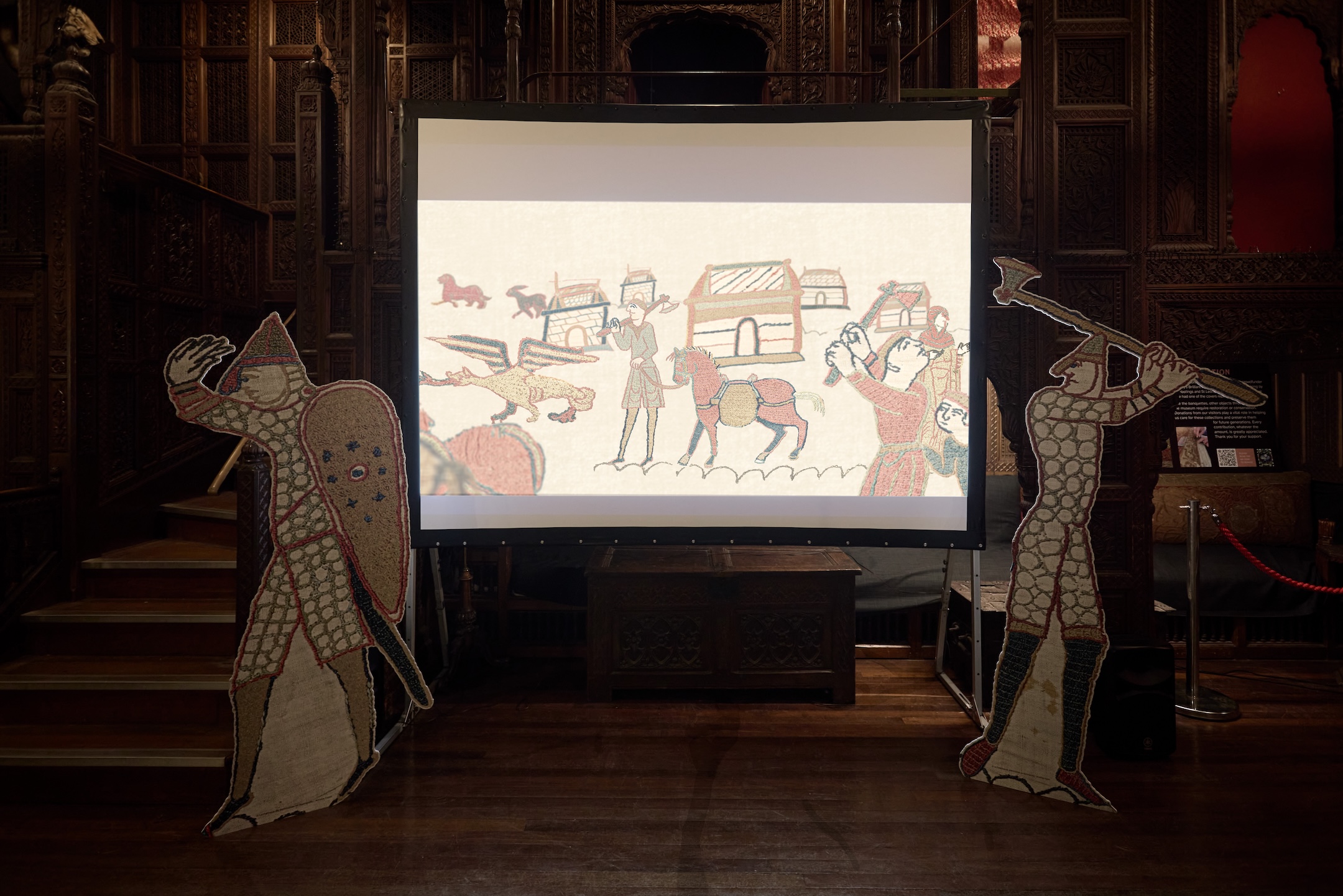
In collaboration with the British Museum, Journey developed the narrative strategy, audience experience approach, and creative, visual and sonic direction for a suite of films that became the central vehicle for delivering a distributed cultural experience across the UK.
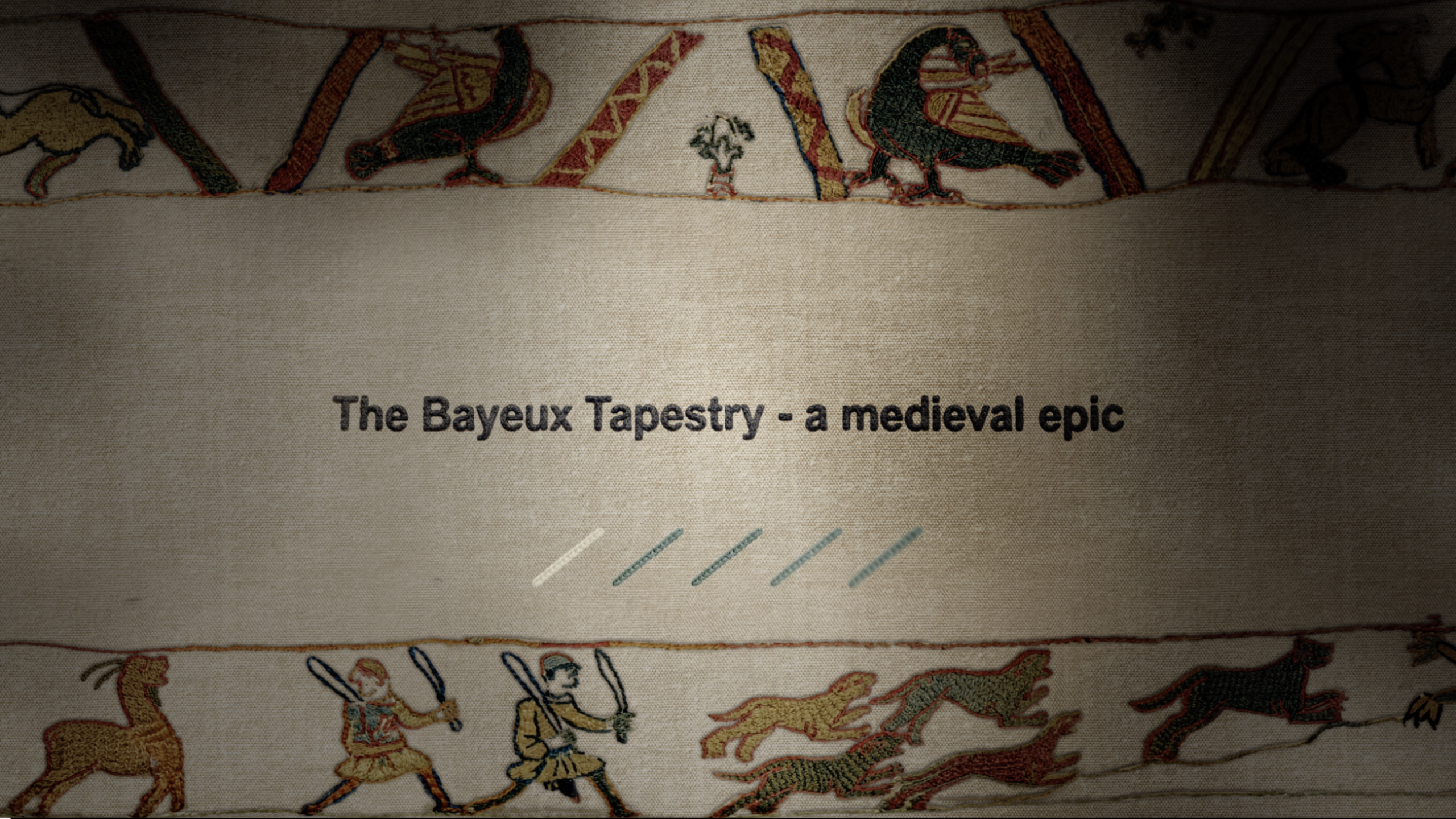
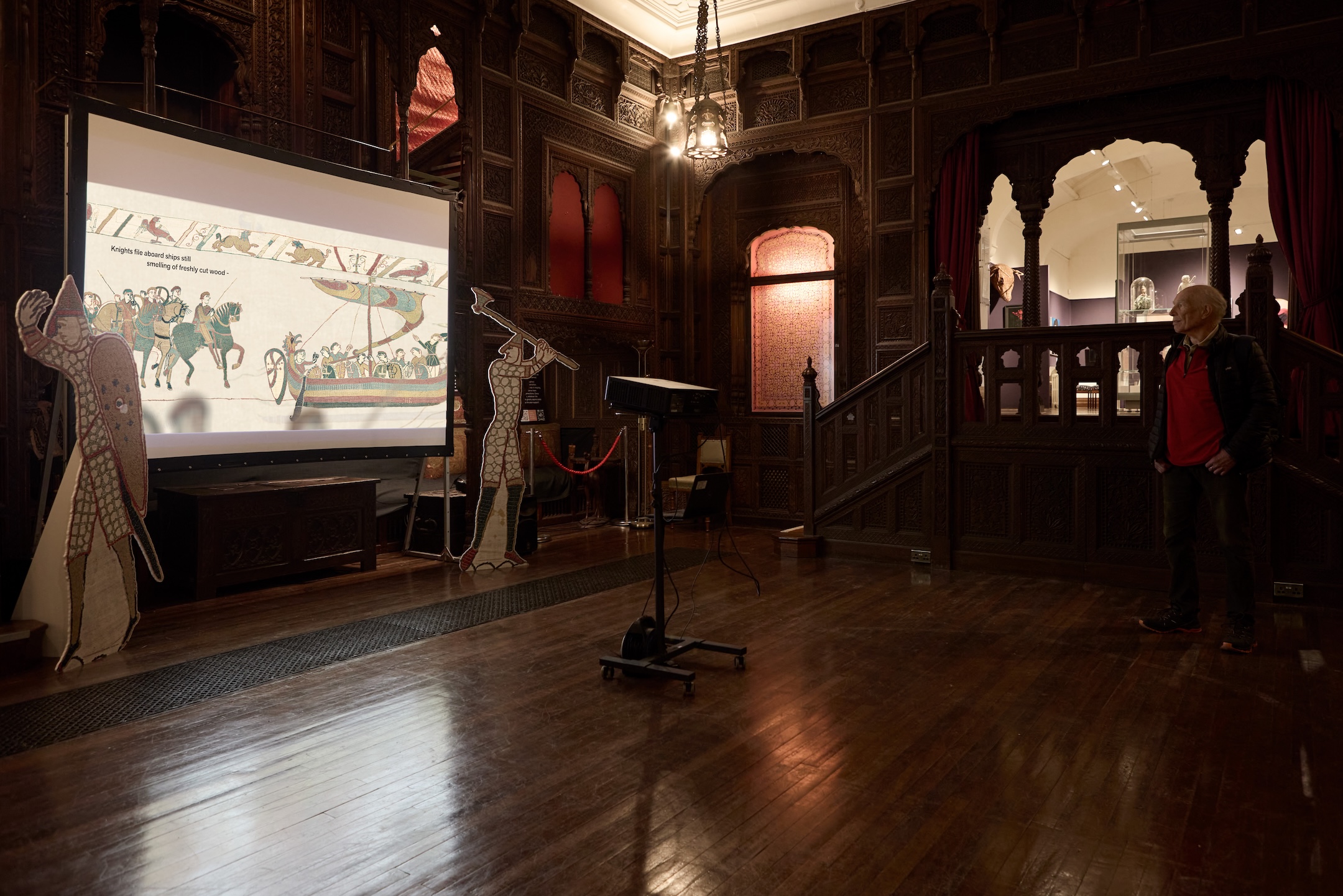
The 10-minute film, structured across five chapters, can be presented as a complete experience or divided and presented according to the needs of each location. This flexible format allows participating venues to shape their own interpretation of the story, integrating the films alongside their own collections, exhibitions and events.
“The most ambitious and inclusive programme we or any museum in the UK has ever done.”
– Dr Nicholas Cullinan, Director, British Museum
Translating the Tapestry
The approach began by looking at the Tapestry’s people, objects and places, including the small human and observational moments that help contemporary audiences relate personally to people who lived almost 1,000 years ago. Rather than treating 1066 as a history lesson, Journey designed the storytelling to make the events feel immediate and human.
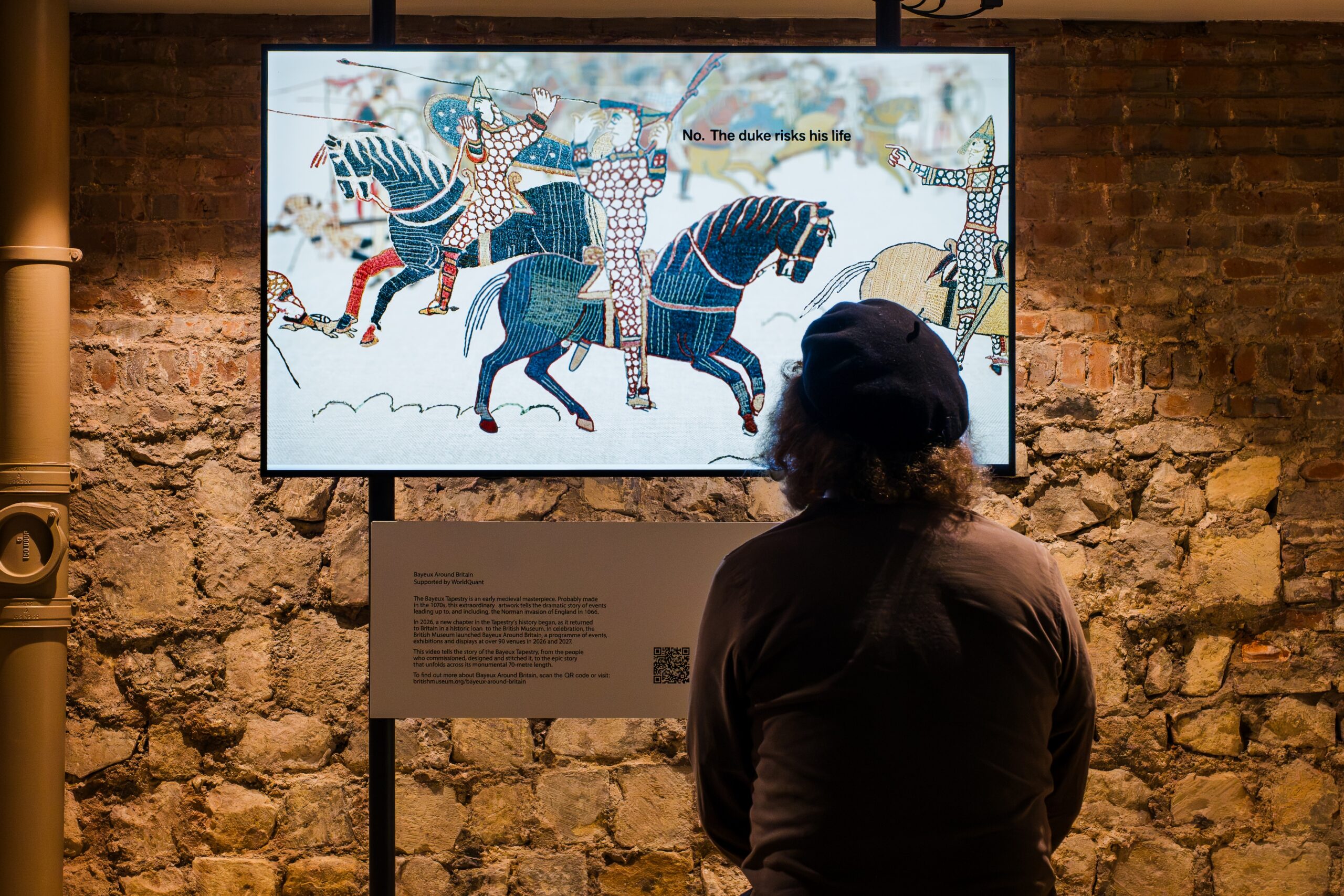
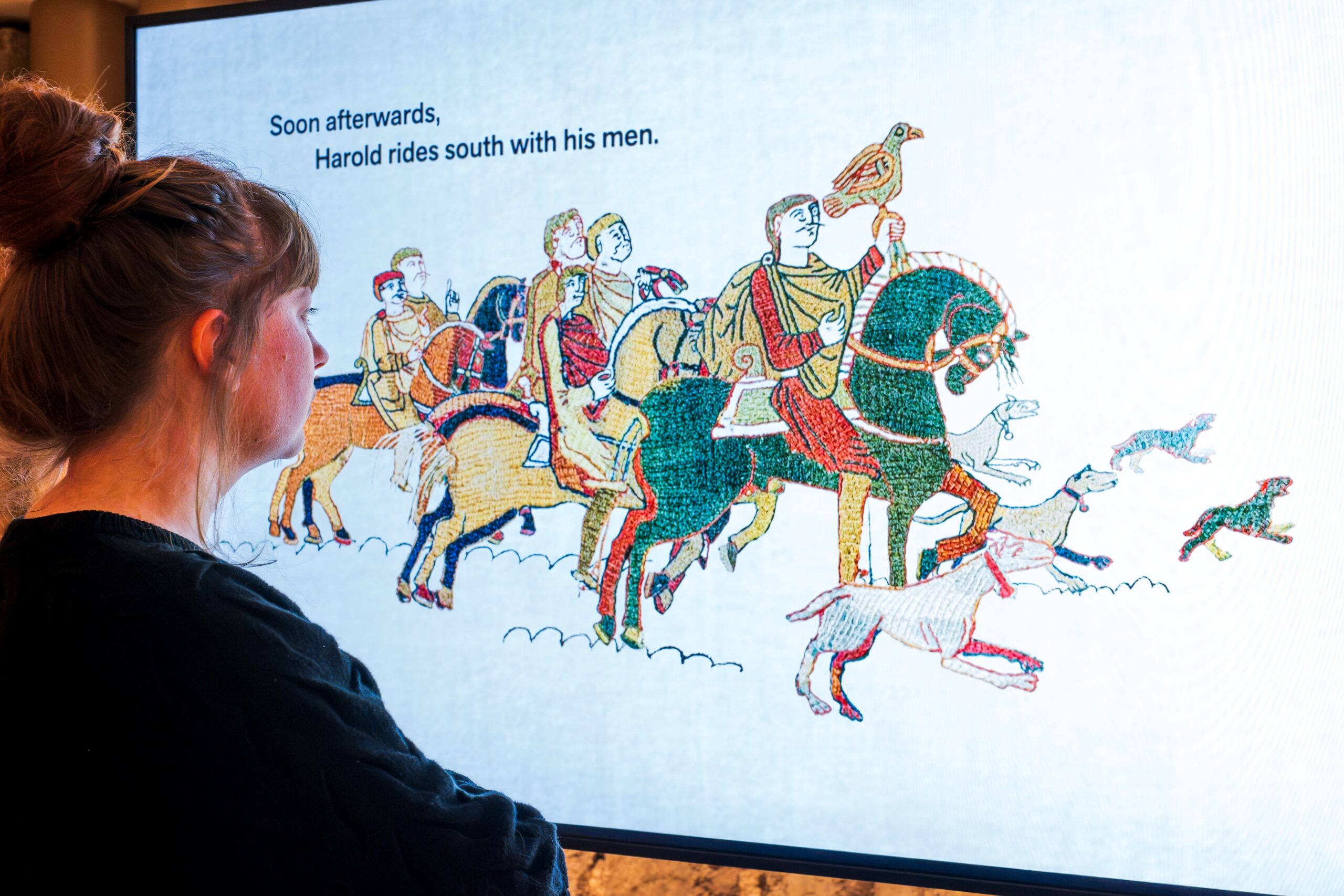
The Tapestry itself is already an extraordinarily sophisticated piece of visual storytelling, using sequences of characters and events to create narrative movement across a static surface. Journey drew directly from its visual language, using the physical qualities of tapestry as the foundation for the films’ creative direction.
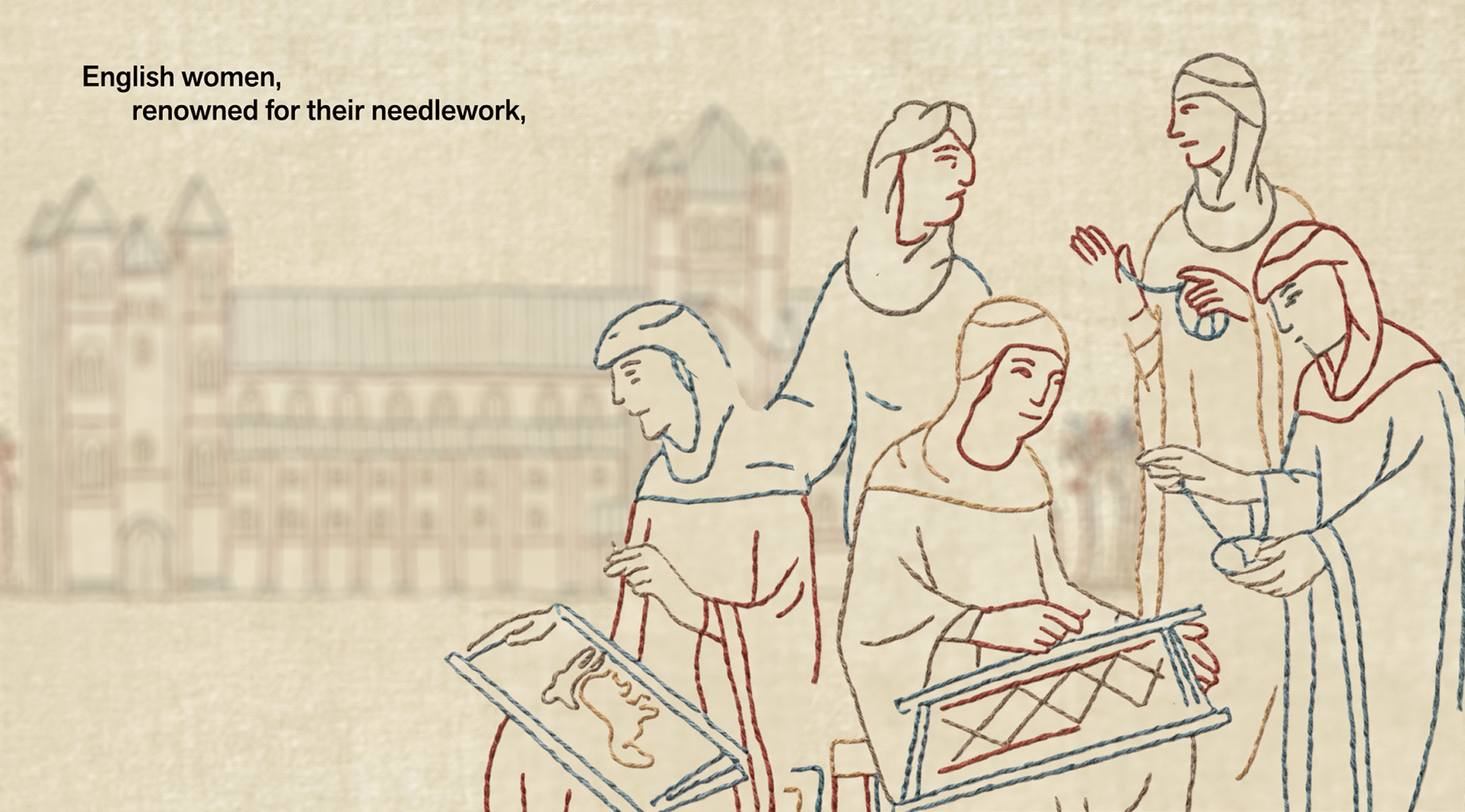
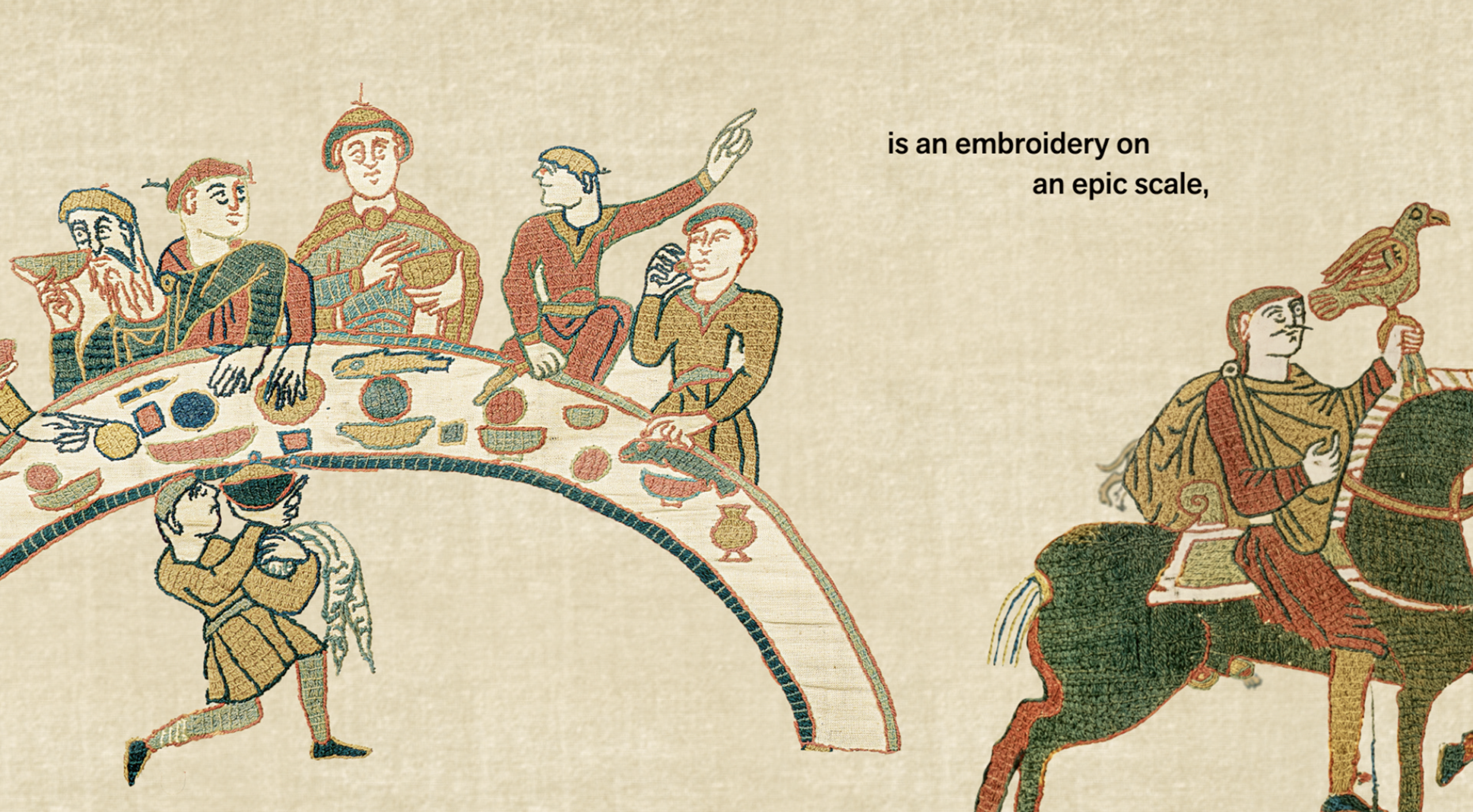
Thread, stitching and fabric textures became the building blocks of the visual world. Working with extremely high resolution digital imagery of the original Tapestry, the films draw audiences into its intricate details, bringing individual scenes, people and animals into focus. Tiny elements that might otherwise be overlooked become central to the storytelling, with the woven image revealing new layers of detail and meaning.
Designed for curiosity
Light and shadow guide attention toward individual characters, while parallax introduces spatial depth within complex compositions. Details are revealed gradually, allowing the story to unfold rather than presenting everything at once. Foley and music give physical actions weight and texture, while the voiceover takes on the role of a storyteller rather than a lecturer. The script follows the characters as their story unfolds, using narrative momentum and human detail to make the historical interpretation accessible and engaging.
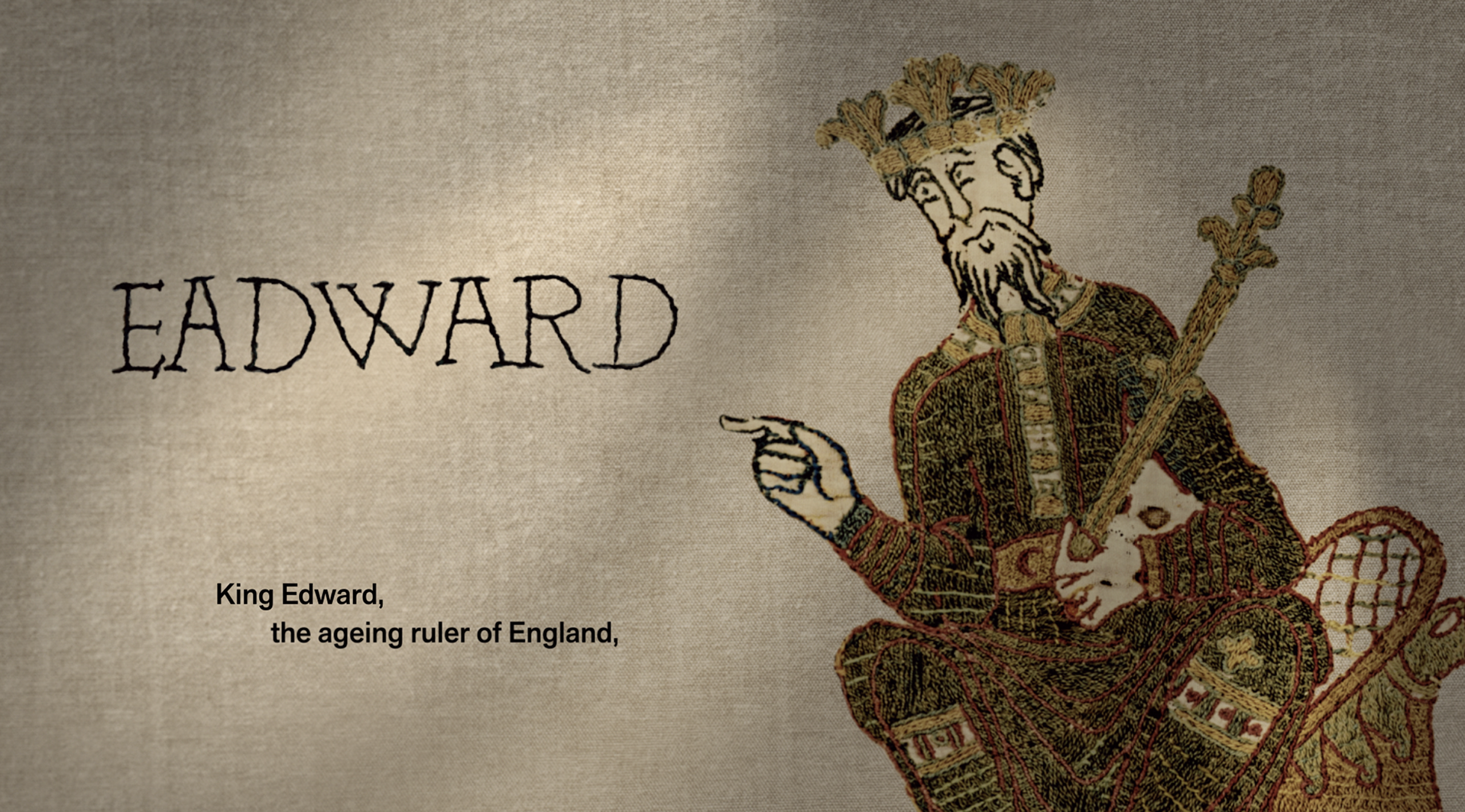
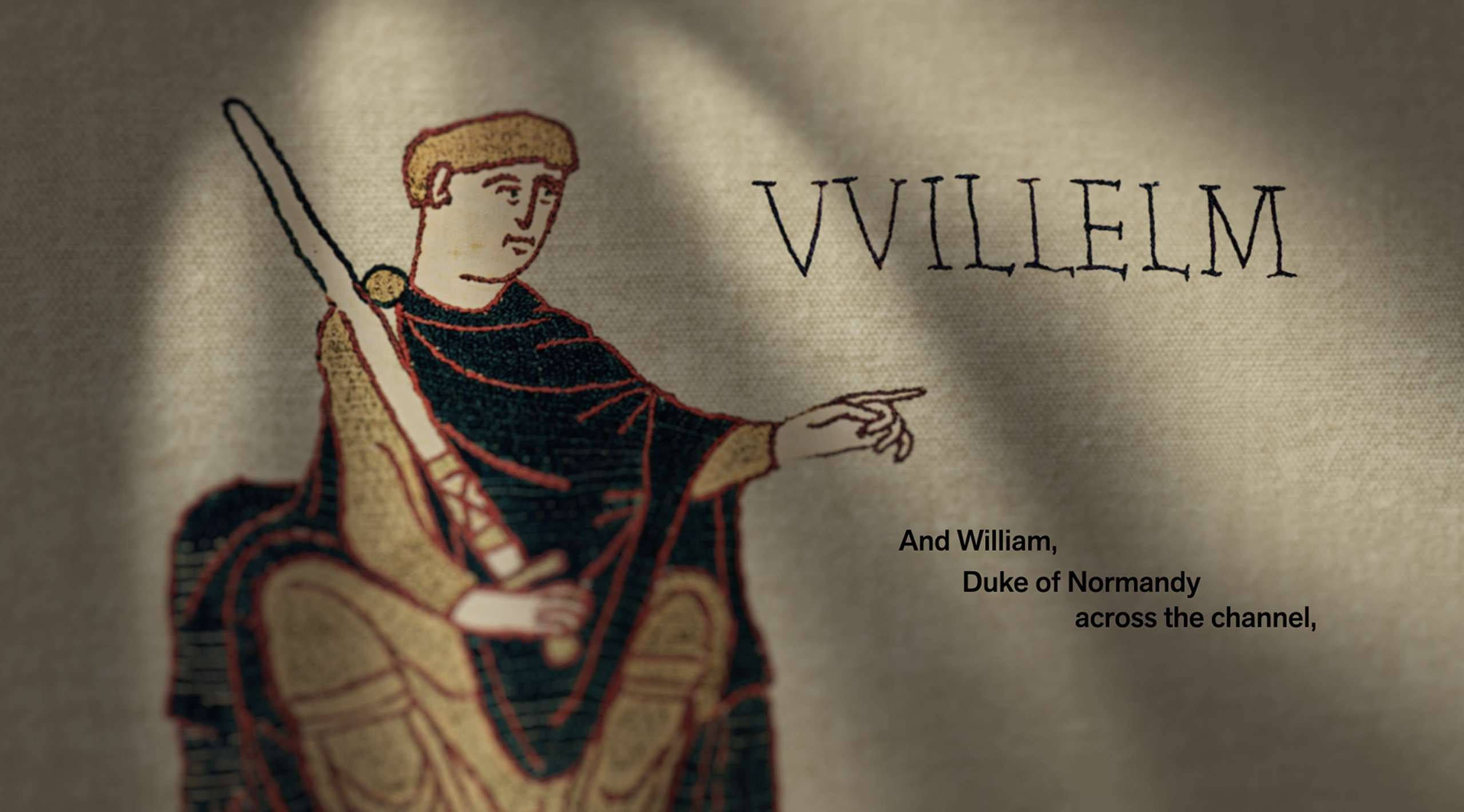
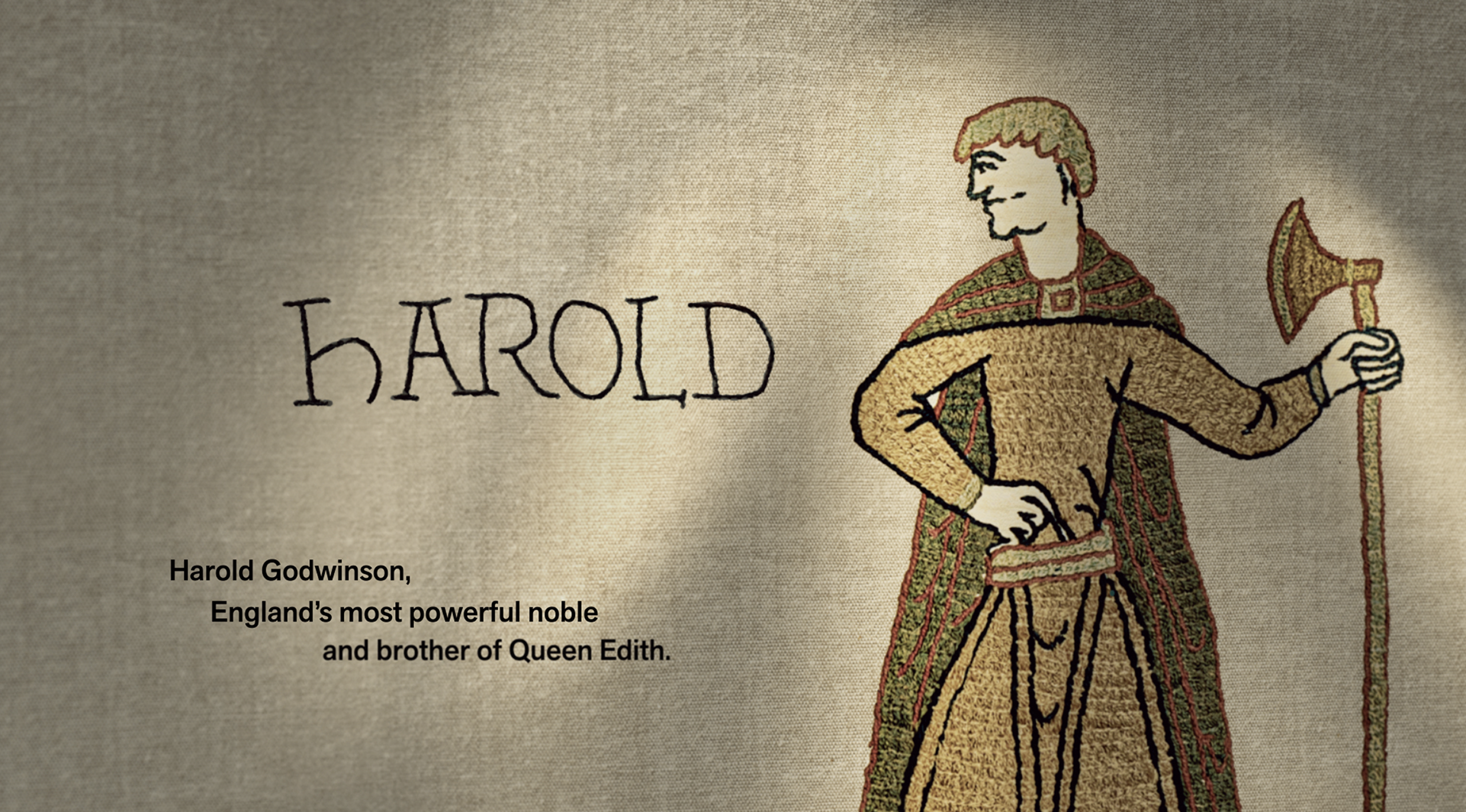
The experience needed to work for a child encountering the story for the first time, a visitor with limited knowledge of 1066, or someone already deeply familiar with the history, but not connected to it personally or emotionally. The master narrative establishes the wider context, while individual chapters capture the pivotal beats of the story and can be sequenced alongside a facsimile of the Tapestry, helping audiences follow the events as they unfold across its length.
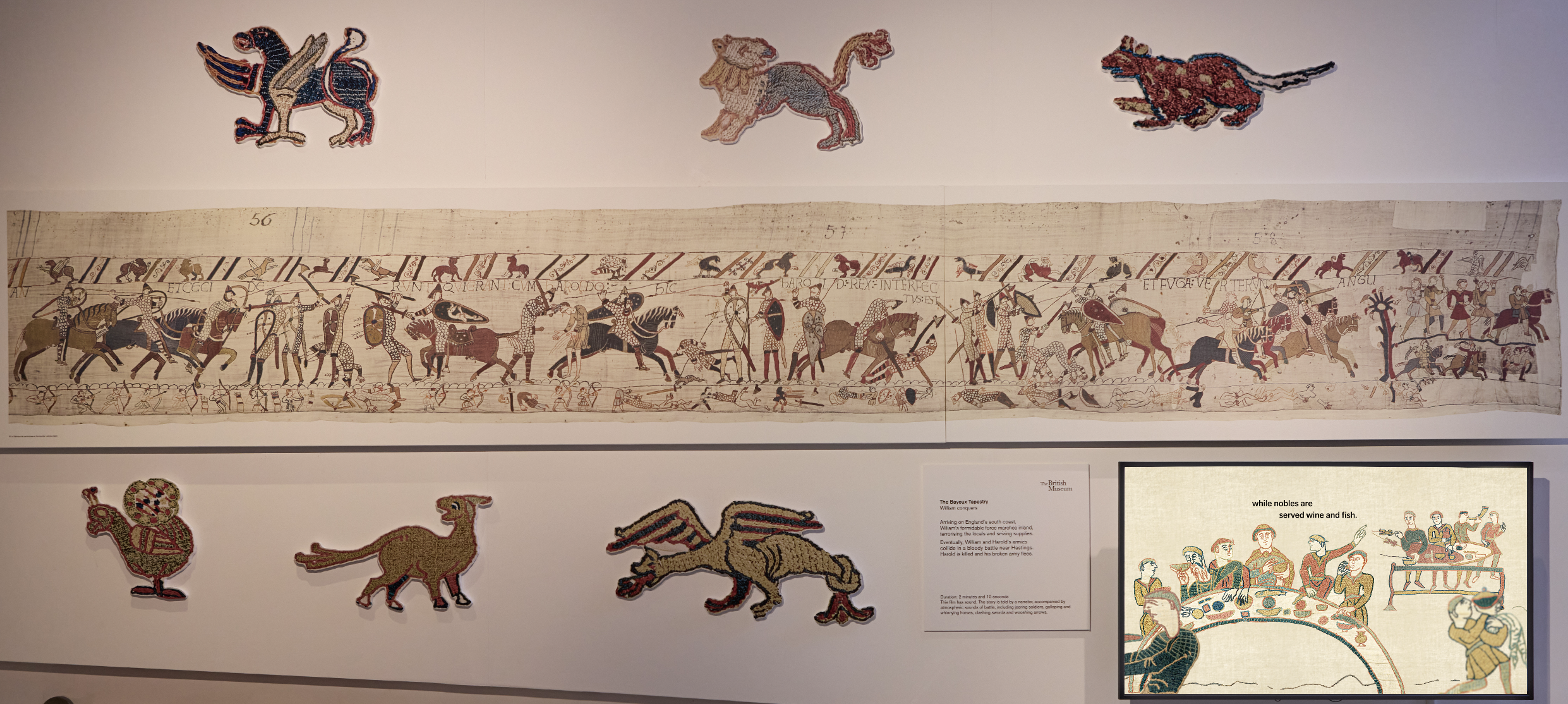
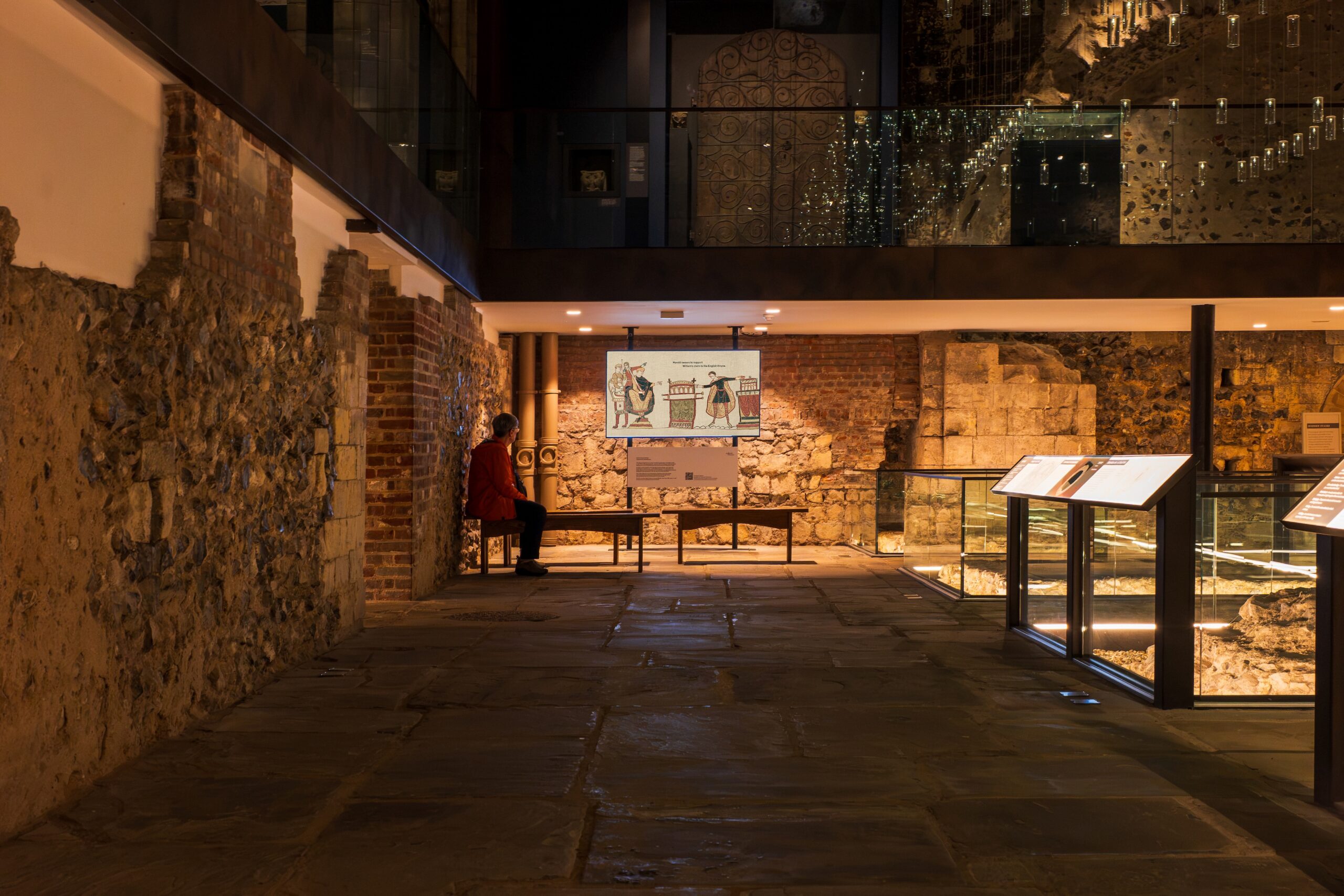
A national story, locally told
Bayeux Around Britain, supported by WorldQuant, reinforces the British Museum’s ambition to widen cultural access and create a genuinely national program, extending a major historical experience far beyond the walls of the institution.
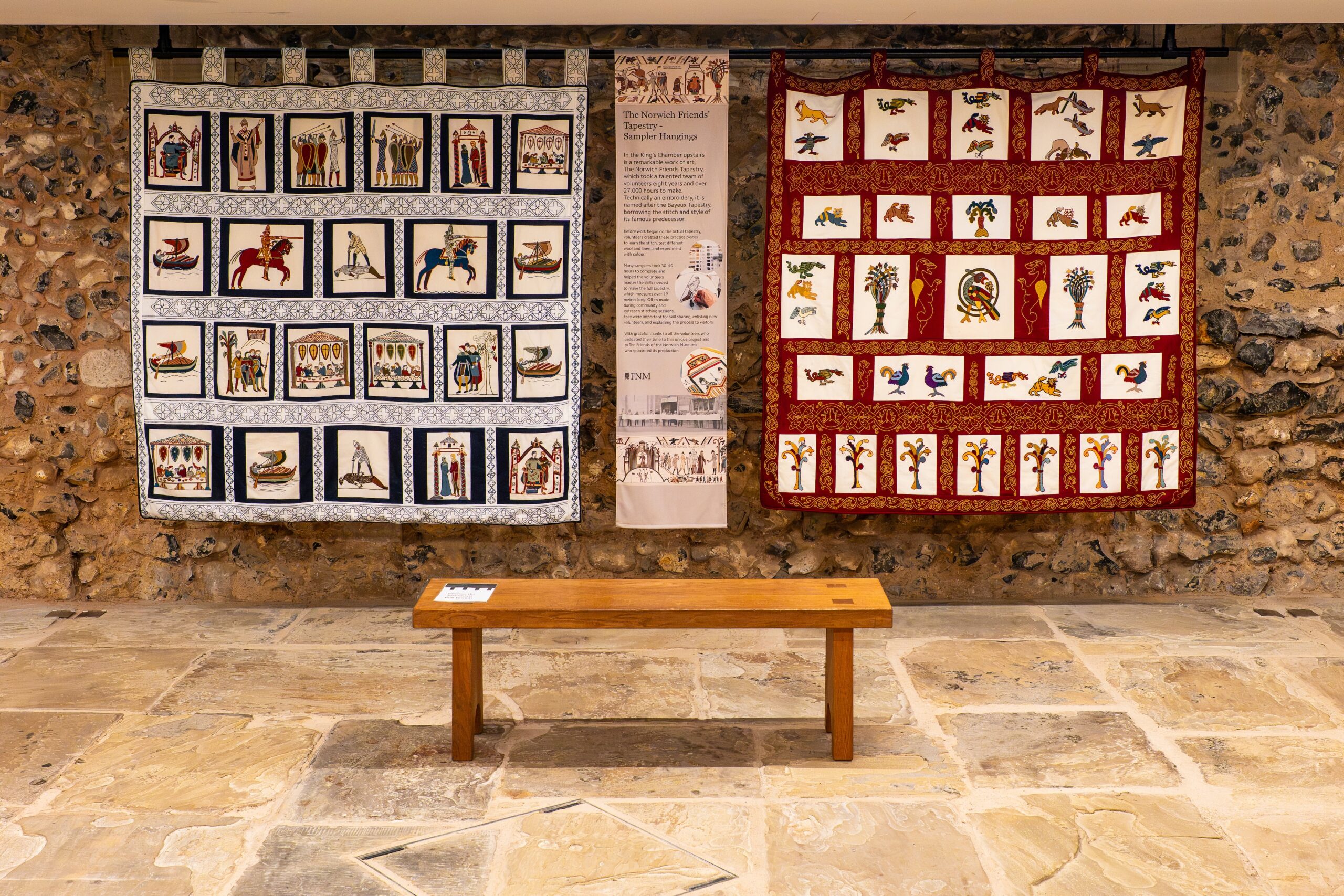
Instead of creating one single experience to be replicated around the country, Journey helped to define a flexible storytelling system capable of supporting different experiences of the same shared history, shaped by each location’s own collections, places and communities.
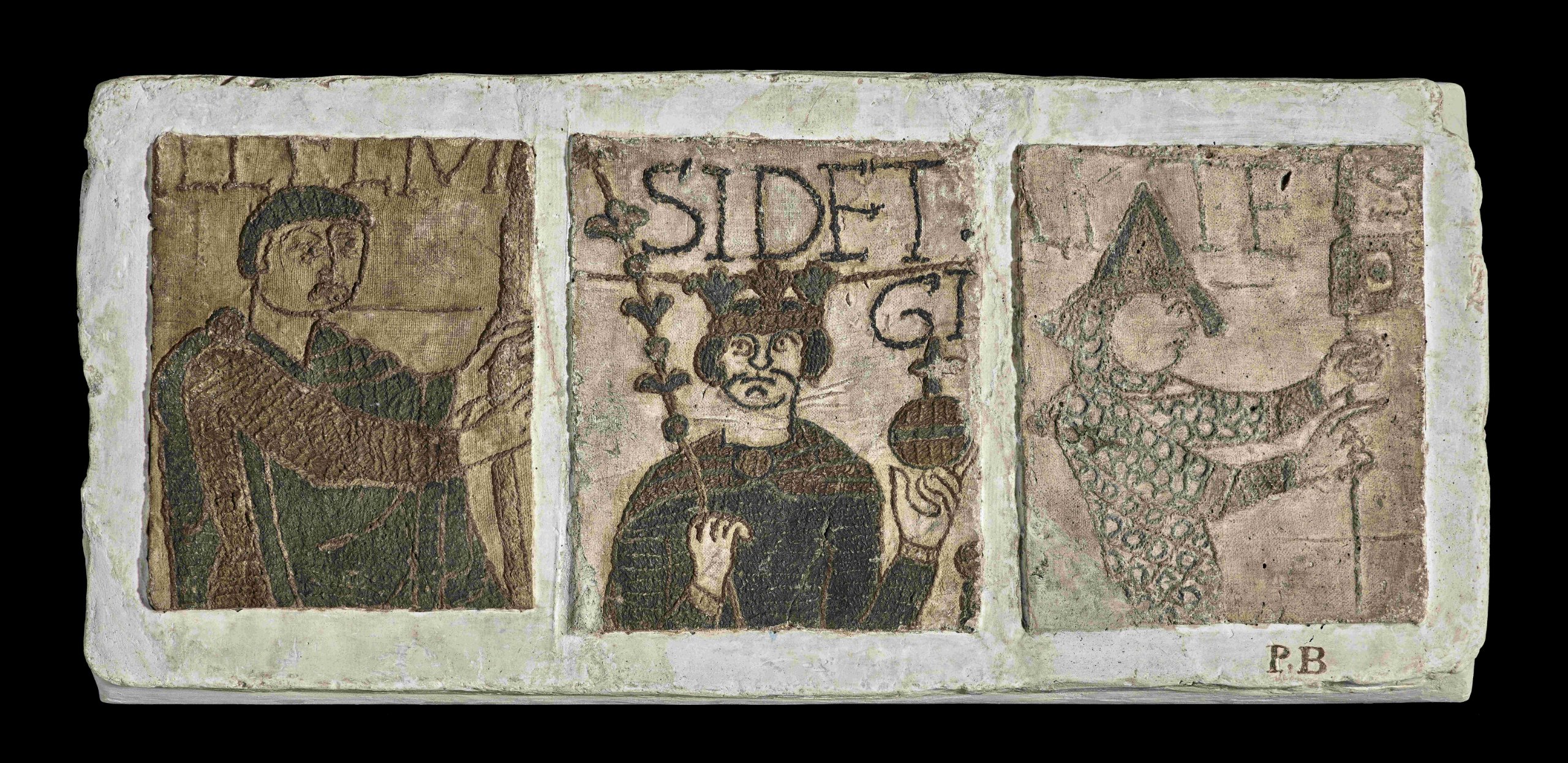
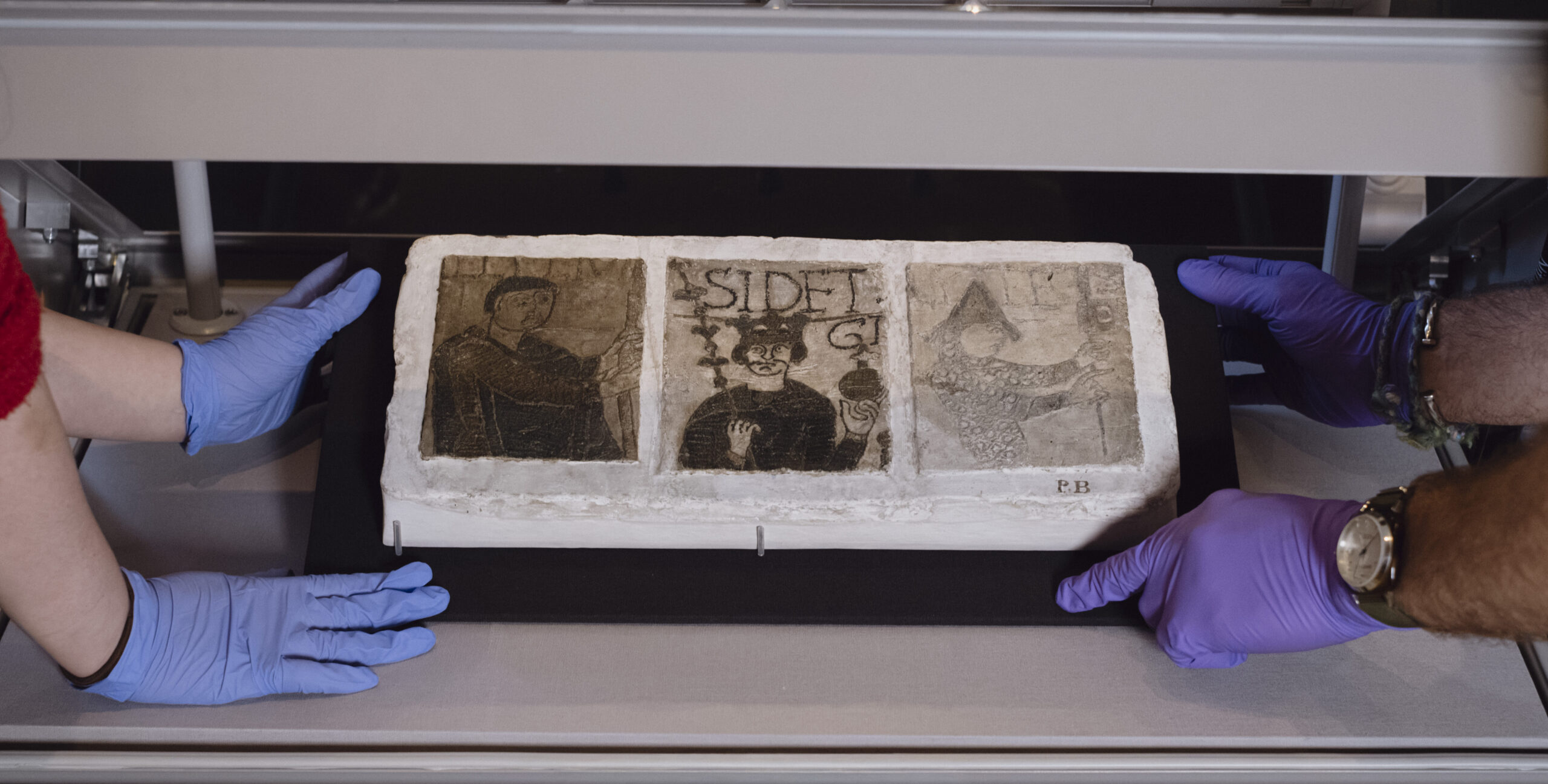
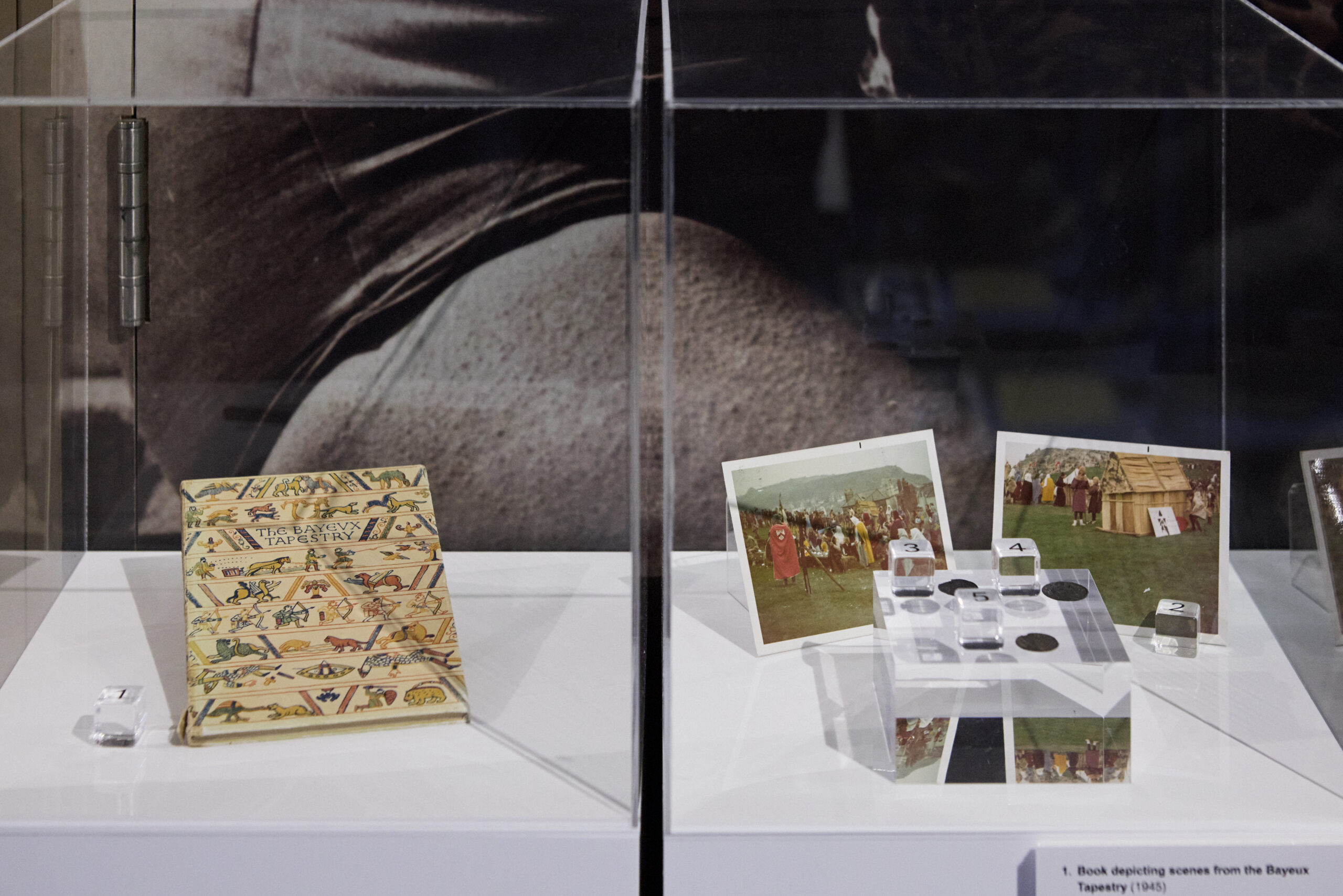
For Journey, the project builds on previous work with the British Museum, including the Assyrian and Roman Galleries, and reflects a wider approach to interpreting extraordinary historical objects through contemporary experience design.
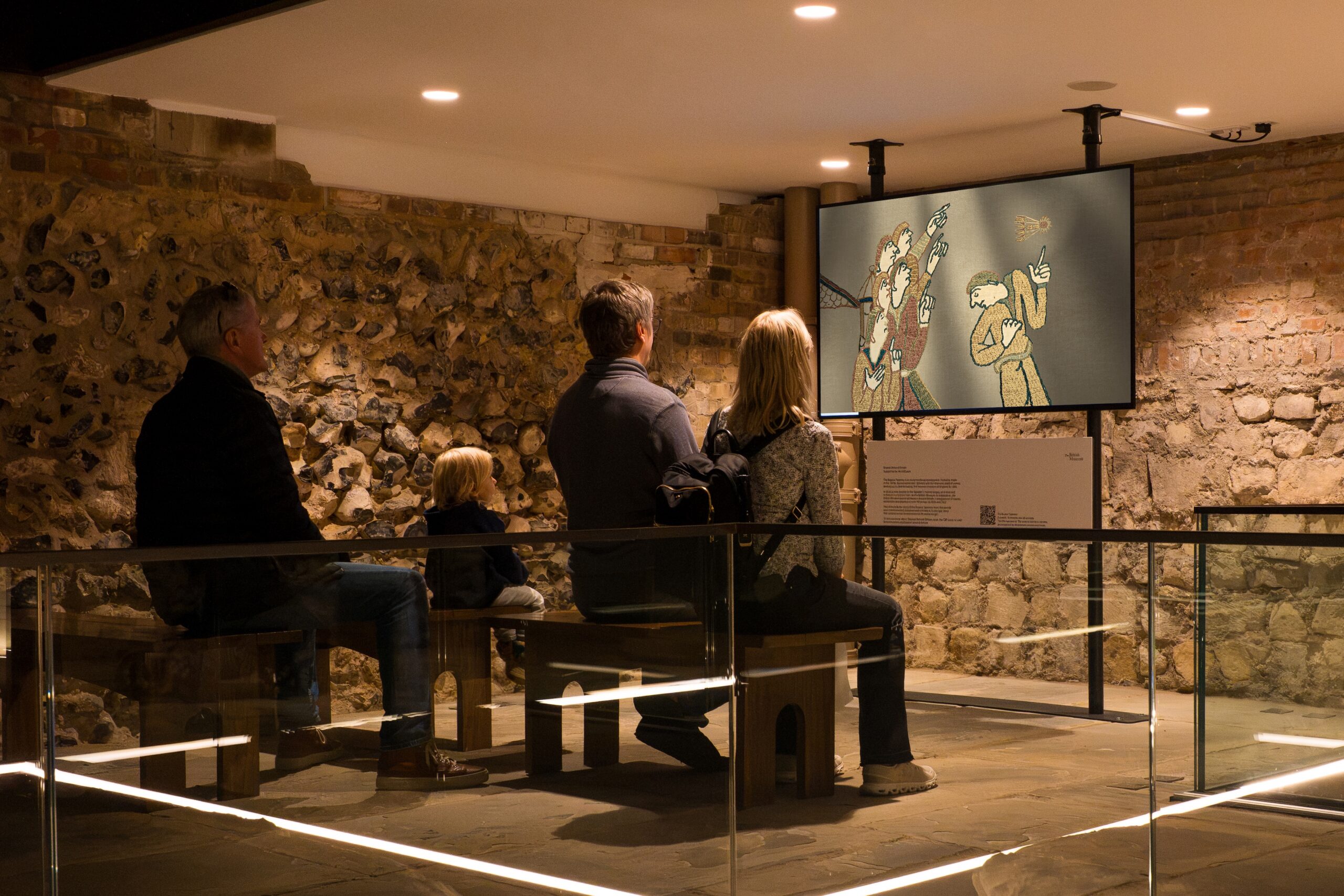
The work demonstrates how multidimensional storytelling can create new entry points into history, without attempting to replace the real thing.
What Journey creates is something new: an experience that can travel, adapt, provoke curiosity and connect people with a story that might otherwise feel distant.
Quotes
Andy Burnham, Prime Minister
“The Bayeux Around Britain campaign will give communities across the UK the opportunity to learn about one of the defining stories of our past.”
King Charles III
“The tapestry’s story is one of ambition and uncertainty, of oaths and journeys, of ships, councils, kings, comets and consequences.”
The Guardian
“A stupefying, thrilling, horrifying masterpiece that shakes the earth.”