
Location
London, UK
Client
The Davidson Prize
Collaborators
Haptic Architects
Yaoyao Meng
LionHeart
Coda to Coda
Light Origin
Sector
Entertainment
Strategy
Audience & Market Insights
Vision, Positioning & Value Proposition
Experience Masterplanning & Placemaking
Business Case & Technical Feasibility
Story
Creative Concepting & Experience Mapping
Narrative Development
Scripting & Messaging
Voice, Tone, Accessibility & Localization
Filmmaking & Animation
Design
Experience Design
Interaction & UX Design
Immersive Media Design
Sound Design, Virtual Design
Technology
Digital Twins, Real-Time Engines & Simulation
AR/VR/XR & Interactive Software
Delivery
Marketing Content
Program & Project Management
Technical Direction & Production Management
Challenge
A variety of clinical studies have proven that exposure to nature reduces stress, improves mental health conditions like PTSD and ADHD, reduces sleep deprivation, and boosts creativity.
However, few people in urban centers count long walks in the woods among their daily rituals, and of course, most are stressed out. This made us think: is there a way to use virtual spaces to connect with nature during those stressful moments, when an escape to the park isn’t possible?
Solution
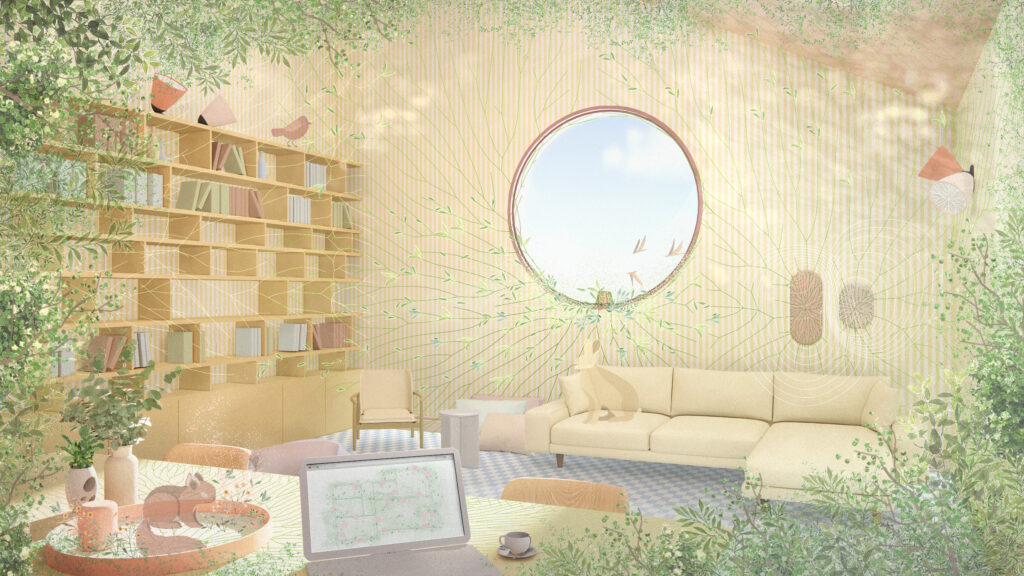
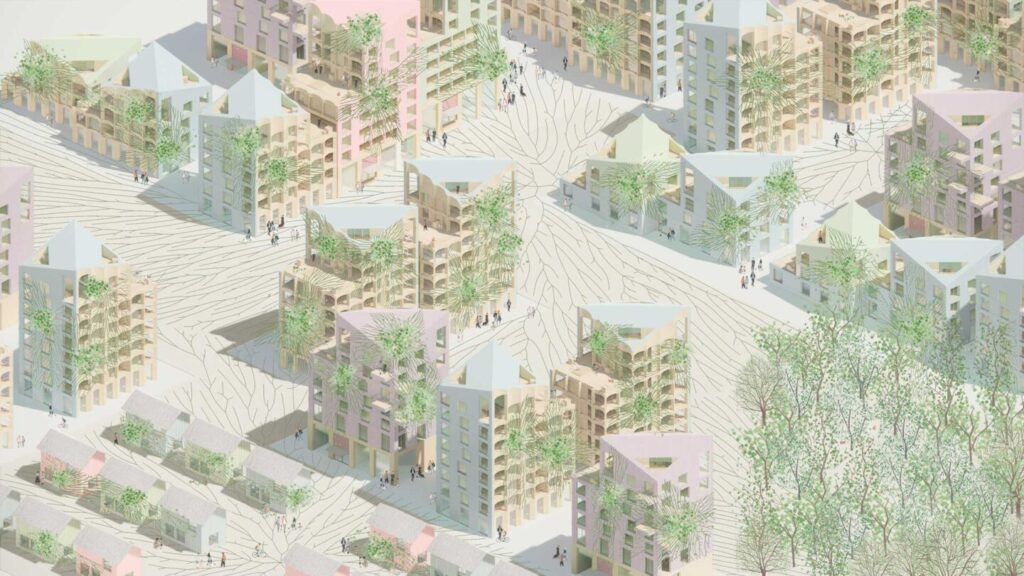
That’s the backdrop against which, in 2021, Journey and Haptic Architects created the Davidson Prize-winning HomeForest. This multidimensional ecosystem puts nature within reach by bridging the physical and virtual worlds.
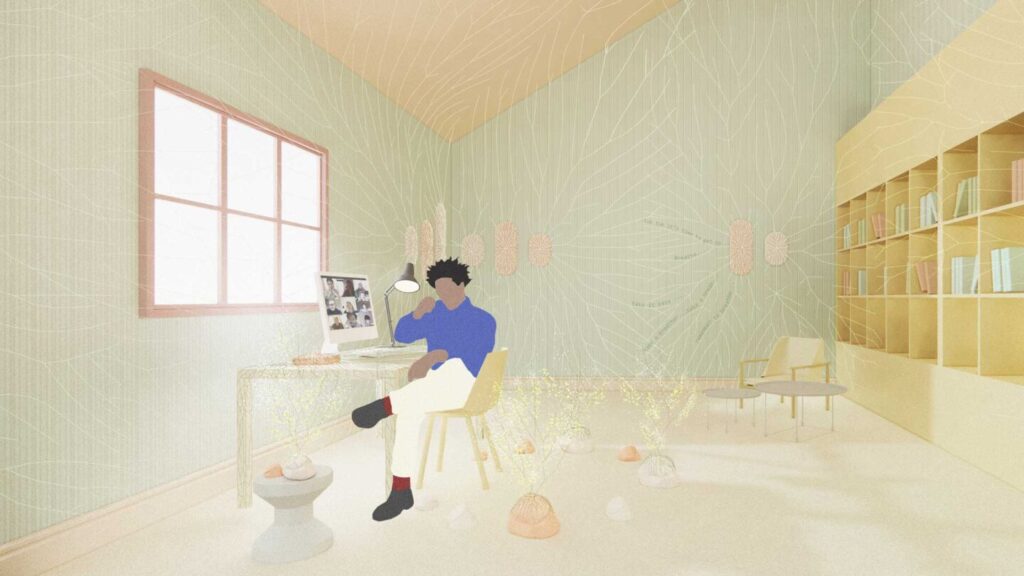
Poets, architects, sound designers, academic researchers—when we talk about applying a multidisciplinary approach, HomeForest is Exhibit A. Designed to address heightened anxiety levels and bring the restorative effects of nature into the home, HomeForest is part multisensory wellness tool, part personal nature reserve—and all sanctuary.
Shinrin-yoku
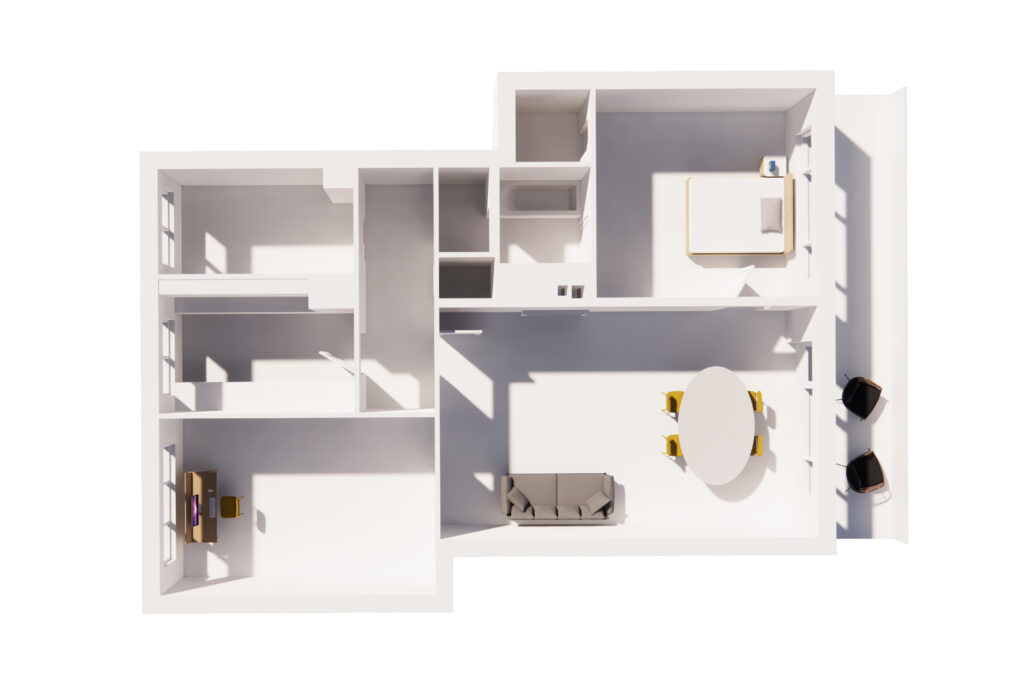
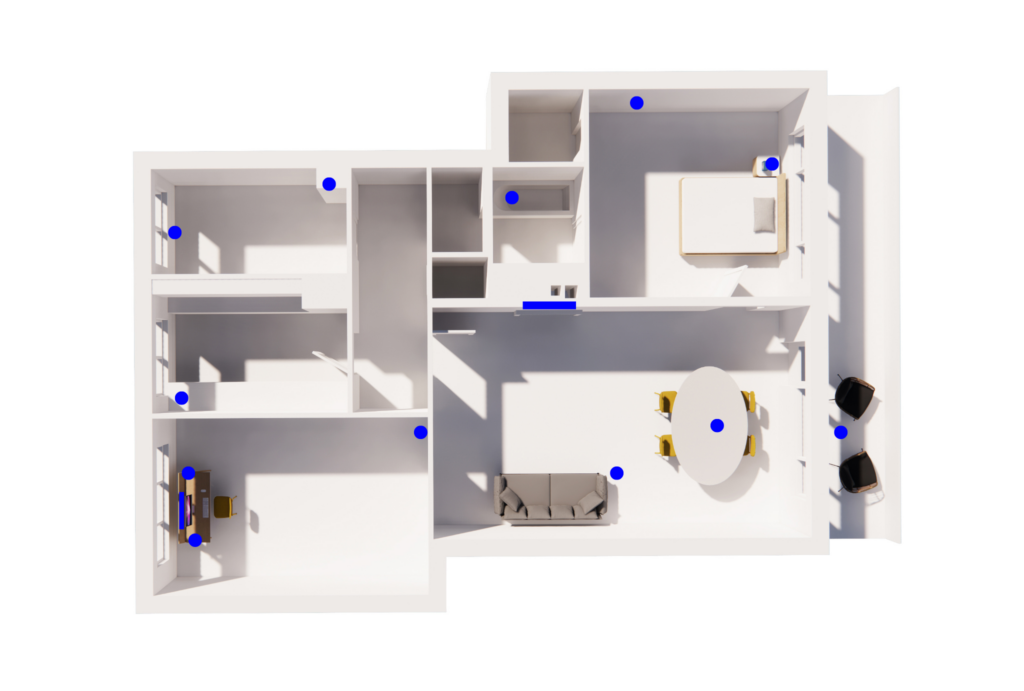
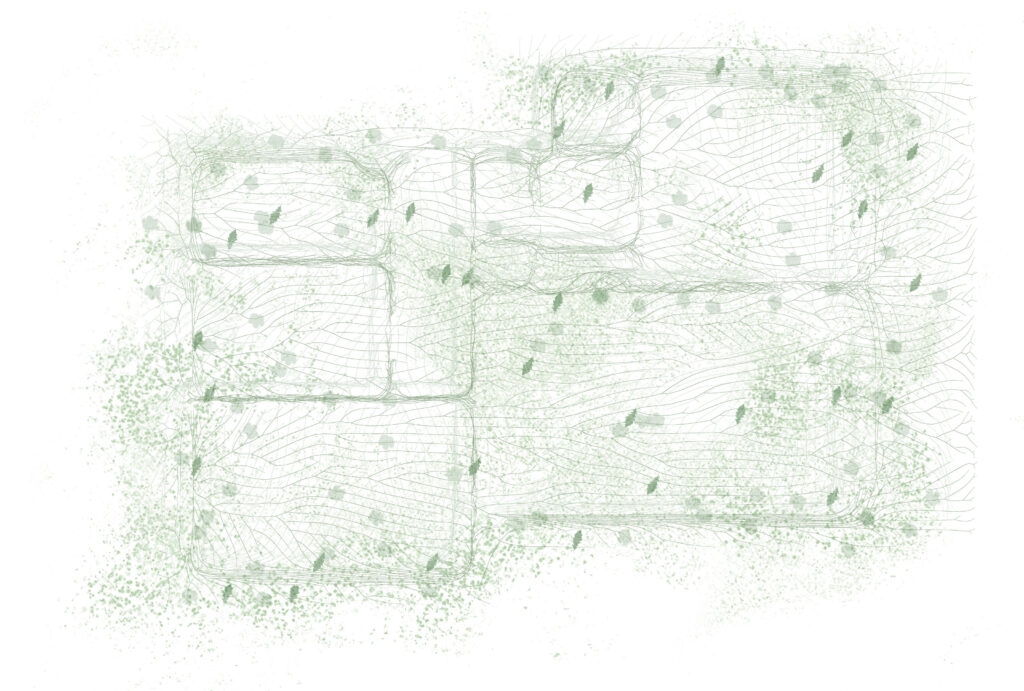
HomeForest grows out of the Shinrin-yoku (forest bathing) concept, which posits (correctly) that meditative time in forests reduces stress. Starting with a digital twin of the user’s home or office location, HomeForest uses spatial computing via Unreal Engine — an advanced rendering platform beloved by video game designers — to generate flora and fauna that react in real time to touch, movement, and mood.

“HomeForest brings a more immersive, sensory connection to nature, which I find super interesting.”
Putting nature within reach
Studies of virtual-and mixed-reality–based relaxation programs have proven these technologies’ stress-reducing powers. HomeForest is not displacing nature in people’s lives. Rather, it’s rendering nature down to a format that brings substantiated therapeutic benefit, on demand, when the real deal is out of reach.

A future in the forest
Because HomeForest continuously “learns” a user’s environment, the lush experiences it renders could become richer with time and use. Our teams remain committed to expanding HomeForest’s potential utility by leveraging new hardware solutions as they’re introduced. The program could run across a home or work environment’s networked Internet of Things (IoT) devices to open new dimensions of experience.
Wait, did a bunny just hop across your path?
Because HomeForest continuously “learns” a user’s environment, the lush experiences it renders could become richer with time and use. Our teams remain committed to expanding HomeForest’s potential utility by leveraging new hardware solutions as they’re introduced. The program could run across a home or work environment’s networked Internet of Things (IoT) devices to open new dimensions of experience.
If we and our collaborators have done our job, HomeForest will strengthen, not weaken, people’s connection to real nature.
Impact
Winner
Davidson prize