

Robert Zemeckis’ Here
A window into the future of filmmaking
Client
Sony Pictures
Location
UK
Sector
Film & Episodic
Services provided
Storytelling
Filmmaking & Animation
Design
Environment Build
Technology
Virtual Production & 3D Visualization
Delivery
Environment Build
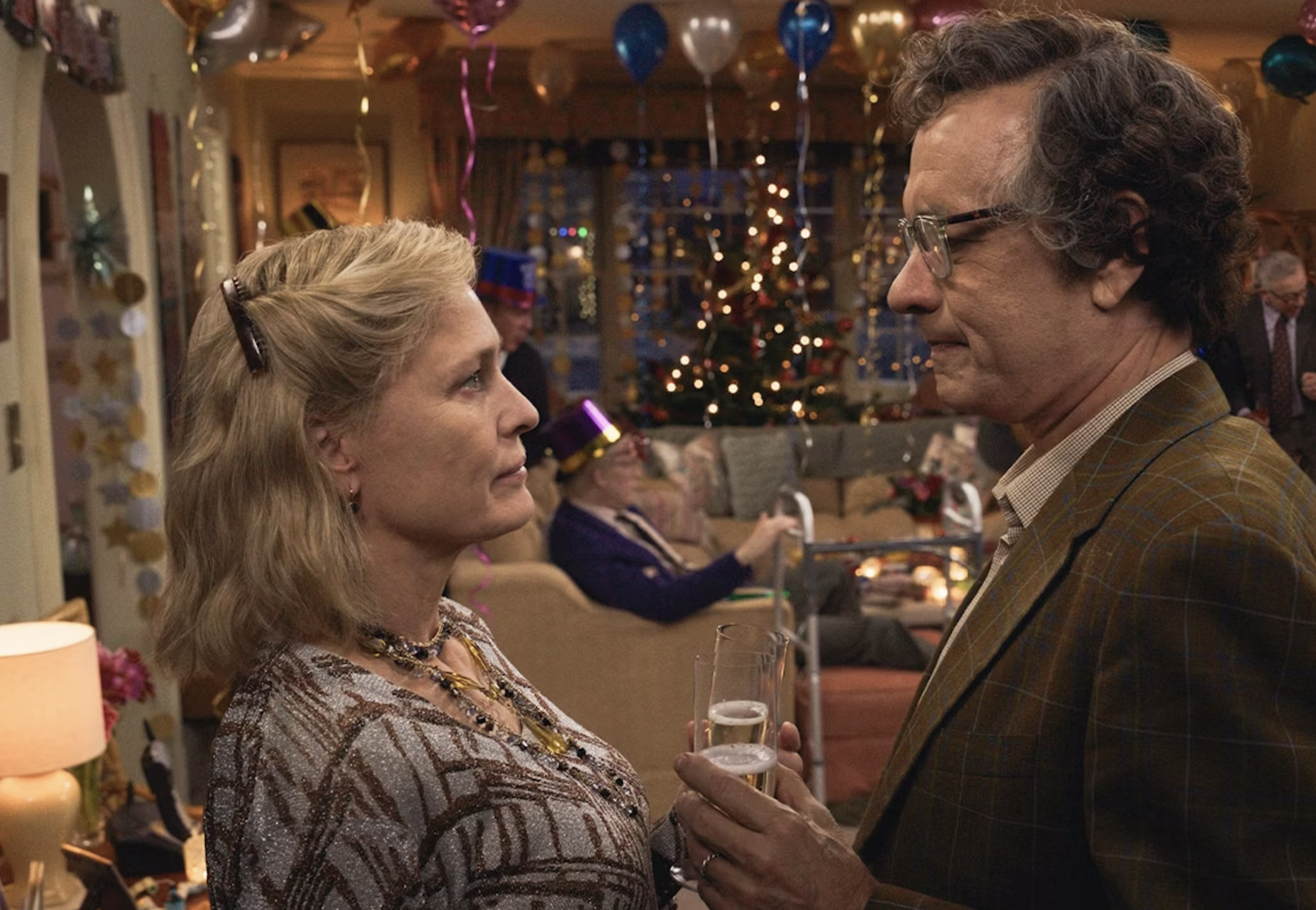
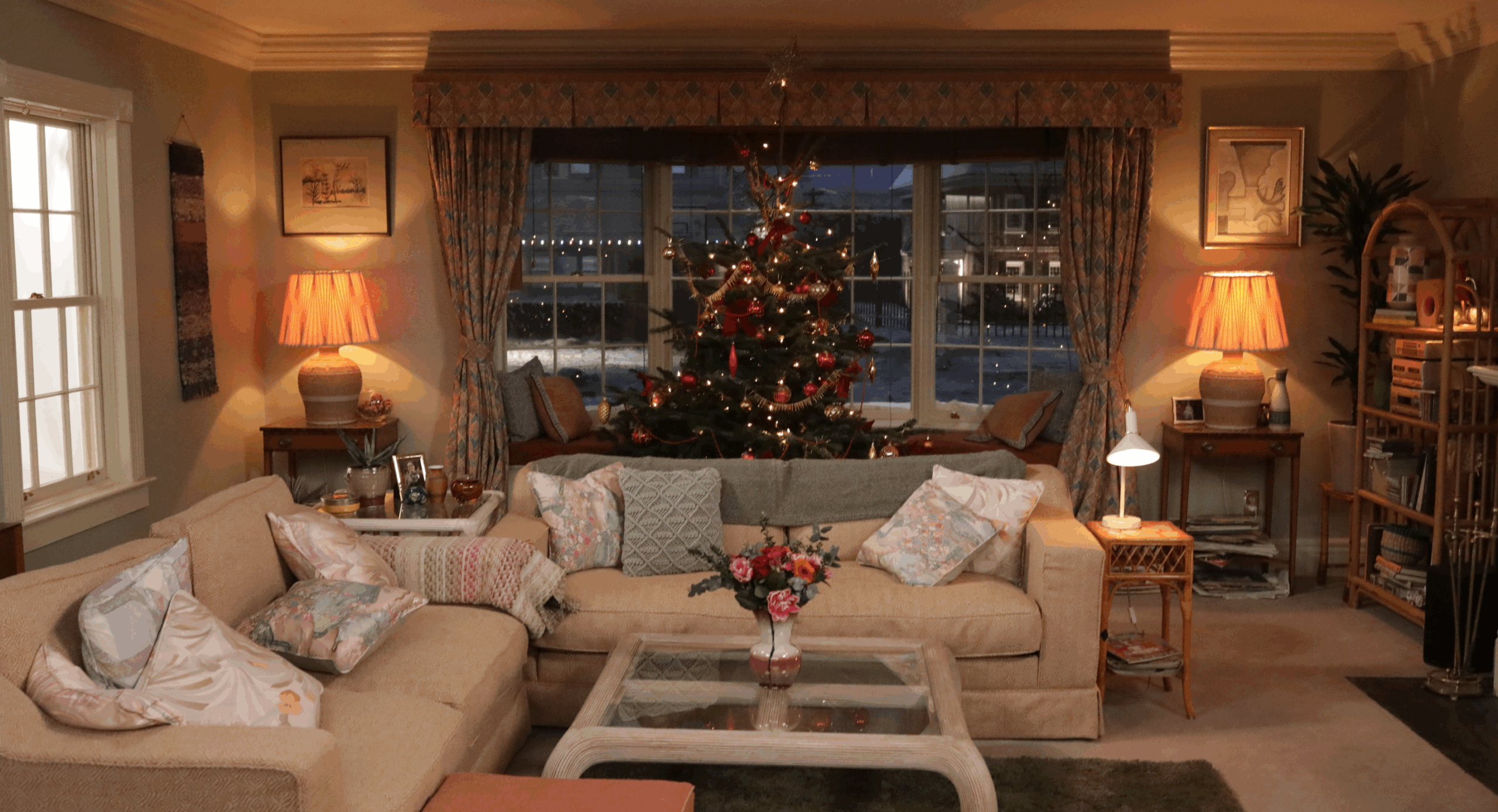
For any project, world building is key to creating something engaging. For Here, directed by Academy Award-winning filmmaker Robert Zemeckis, it was especially important because it presents the entire world we see through a single window.

Dimension, a Journey studio were the virtual production partners on the film, which was shot with a single locked-off camera and the narrative unfolding before it over 65 million years. It tells the story of the people who exist in the same space at different points in time, all played out in front of one locked-off camera. This is predominantly inside a house with a single window showing us the outside world.
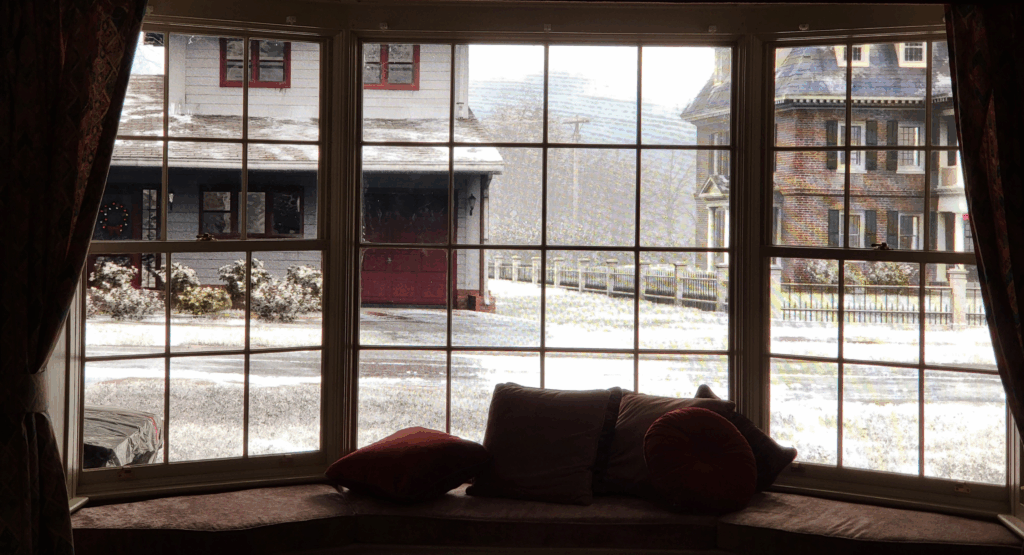
With such a unique approach to filmmaking, our virtual production team followed suit when we were tasked with creating the world beyond the window as a digital environment. In total, our content team created visuals of the environment in 85 different periods, all built in-house by our team in Unreal Engine. Across those different versions, we had to consider how the world kept moving outside of the house and how it changed over time, showing other buildings being built, the landscape changing around it, and the impact of environmental changes.
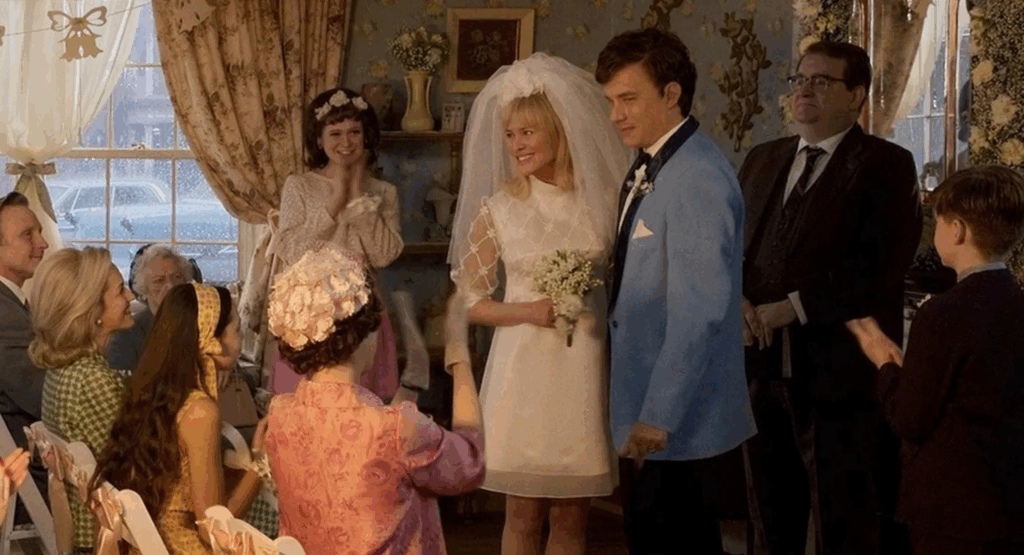
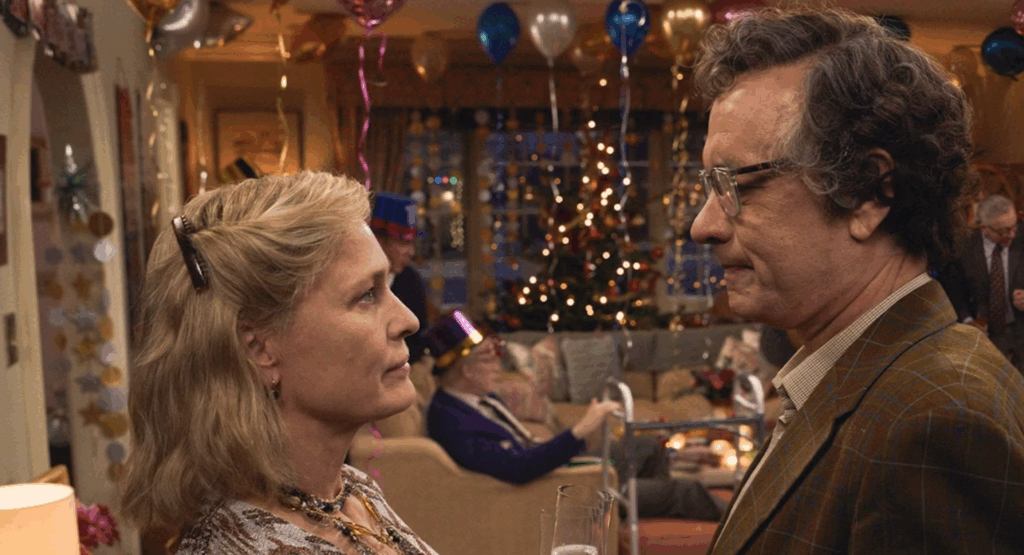
“We knew this was a very special project and very unique. It was a very specific concept that we had never seen before. And it came with its own unique challenges as well,” — Albert Vidal, virtual production supervisor at Dimension, a Journey studio.
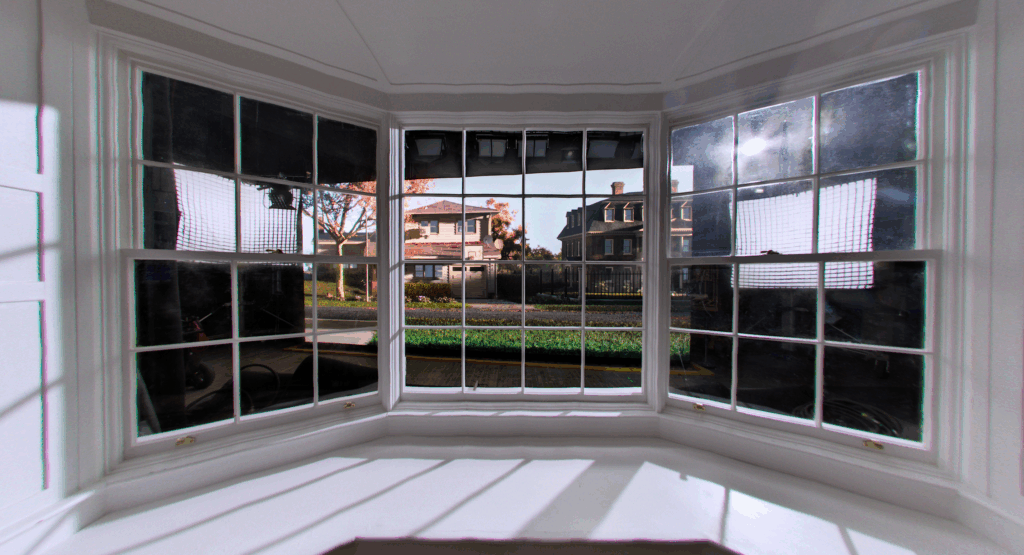
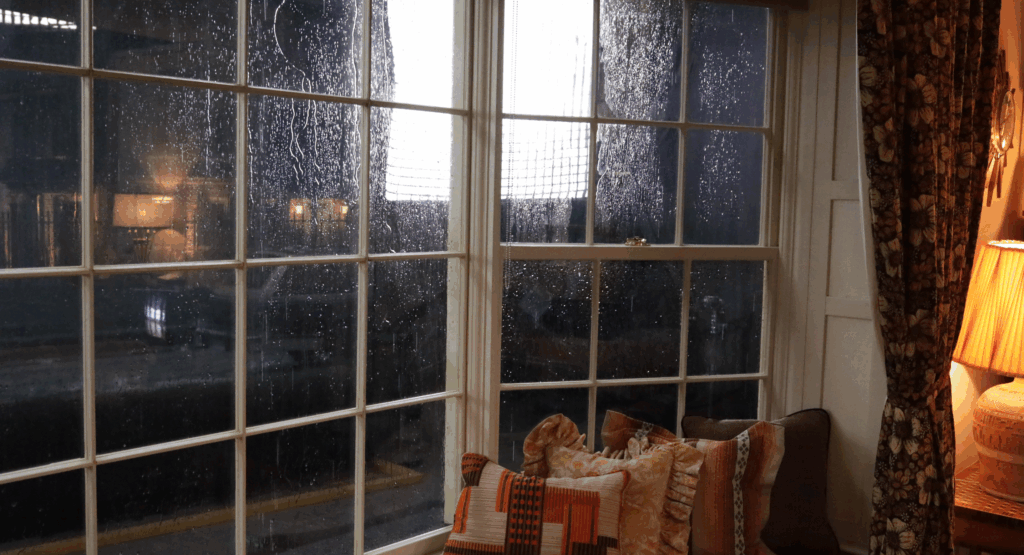
The digital environment outside the window was displayed on a 30-foot by 15-foot LED wall which can be seen on-camera at all times. Our team designed a way for objects and interactions in the digital environment to be triggered as-live when needed, whether it was weather simulations or cars driving past the window. This was done via a real-time application on an iPad which we gave to the AD to use as if they were queuing a real car to drive through the background of a shot.
Using a real-time display meant that lighting being contributed by the LED panel was realistic to what’s happening outside. This included reflections in mirrors and every shiny surface on furniture or props, all added to the realism of the scene. But it also meant that actors looking out the window could take their queues from what they’re seeing on-set, whether it was the weather systems being displayed, the cars moving on the road, or even a postal worker walking by.
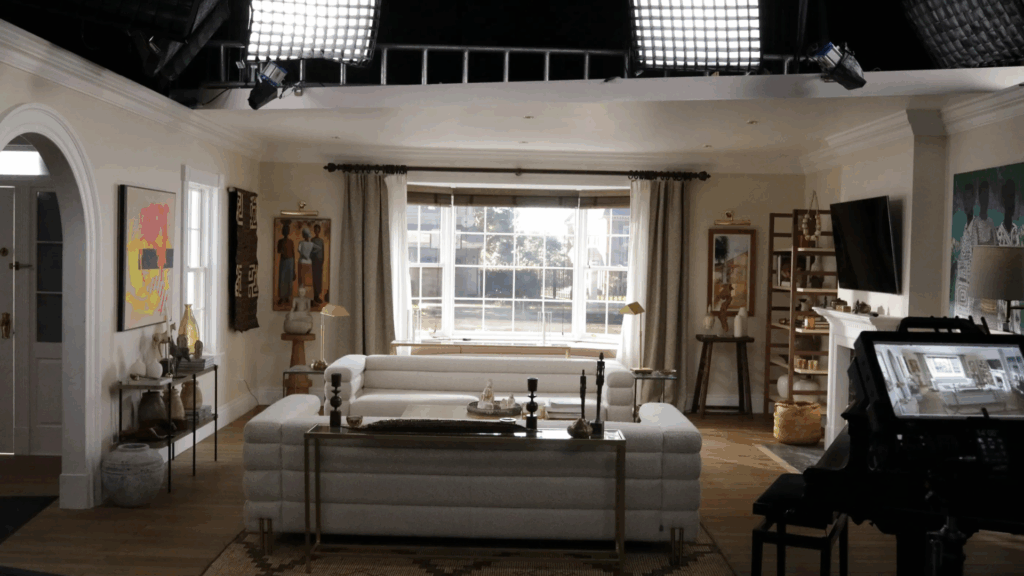
Throughout the shoot the LED panel content was being used in two different ways. The dailies of the in-camera VFX of the outside world were sent to editorial to begin the film’s post. But alongside that, we’d also send renders directly from Unreal Engine to VFX so they could use them as references when doing work like the de-aging, which features in the film.
Included in all of this data were captures of the ‘disco pass’ as VFX Supervisor Kevin Baillie coined it. This is where we’d display different visuals and images on the LED panel at the end of every scene. This would flood the set with different lighting and colours, creating a set of data points that could be provided to VFX to support things like transitions and additional compositing.
“This project was really the genesis of where we started to say ‘okay, we’ve got Unreal Engine and we’re really tuning it for filmmaking.’ And that was a big step forward for us during this production.”
— Callum Macmillan, Managing Director & Co-Founder, Dimension, a Journey studio.