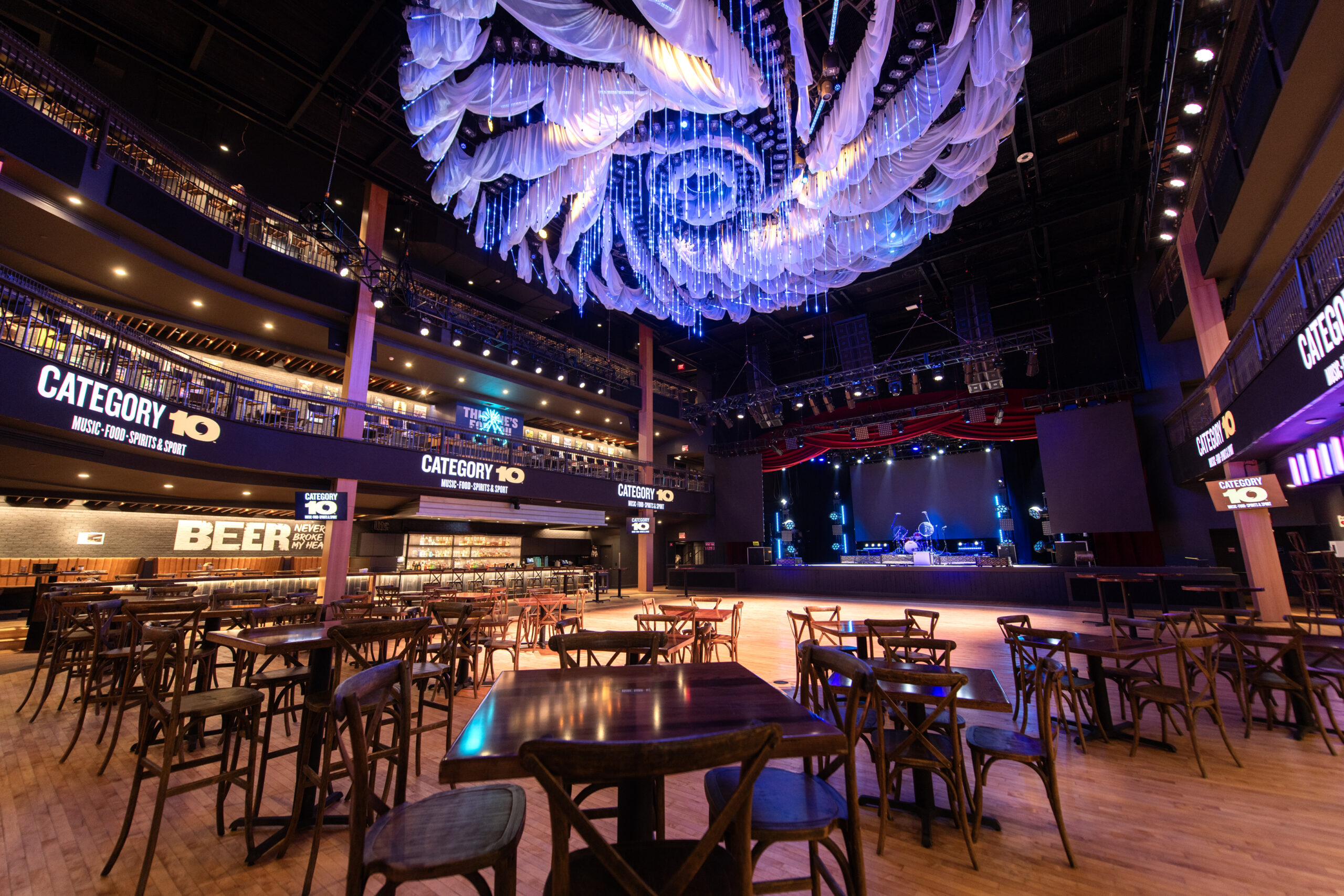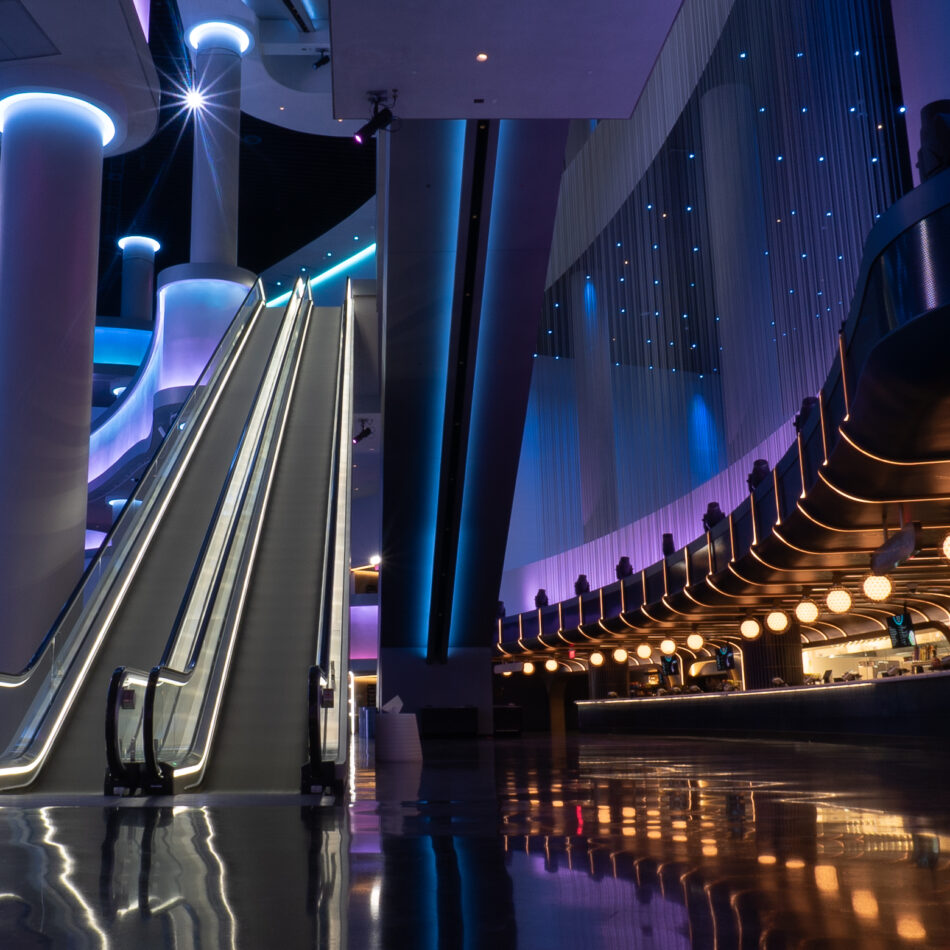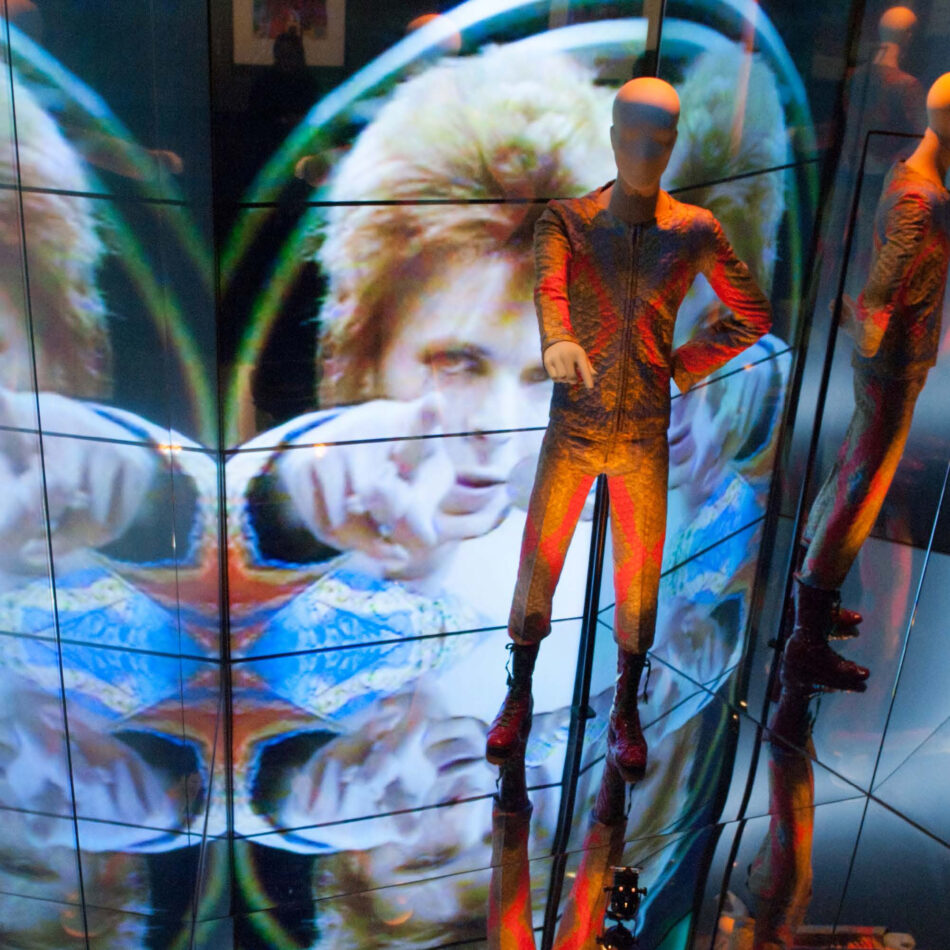

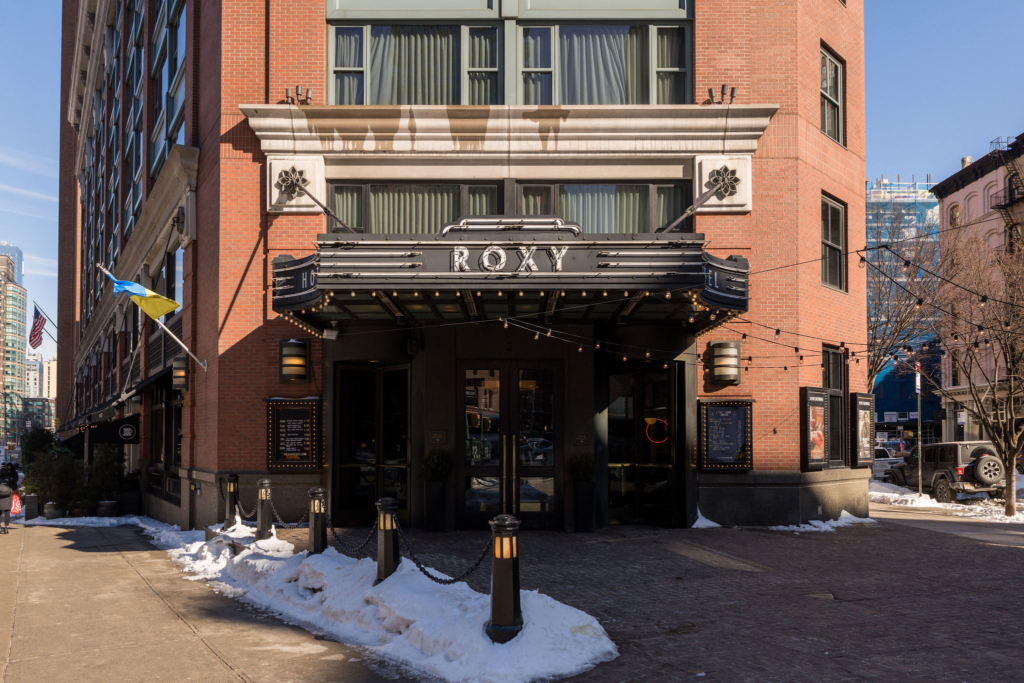
Our first event took place in New York City at The Roxy.
The quiet consensus, even if it was never stated outright – was that old hierarchies are no longer holding. Product over experience, institution over audience, and architecture over belonging once made sense, but today it feels increasingly brittle.
What emerged instead, across conversations that spanned transit systems, food halls, museums, theaters, and multi-use spaces, was a shared recognition that placemaking and experience has entered a different phase. Speakers from The J. Paul Getty Trust, Gagosian, The Metropolitan Transportation Authority (MTA), The New York Public Library, Times Square Alliance, and Chelsea Market, to name but a few, were all less concerned with spectacle for its own sake, and more attuned to something subtler and harder to engineer – meaning, belonging, and transformational experiences as operating principles.
Experience as infrastructure
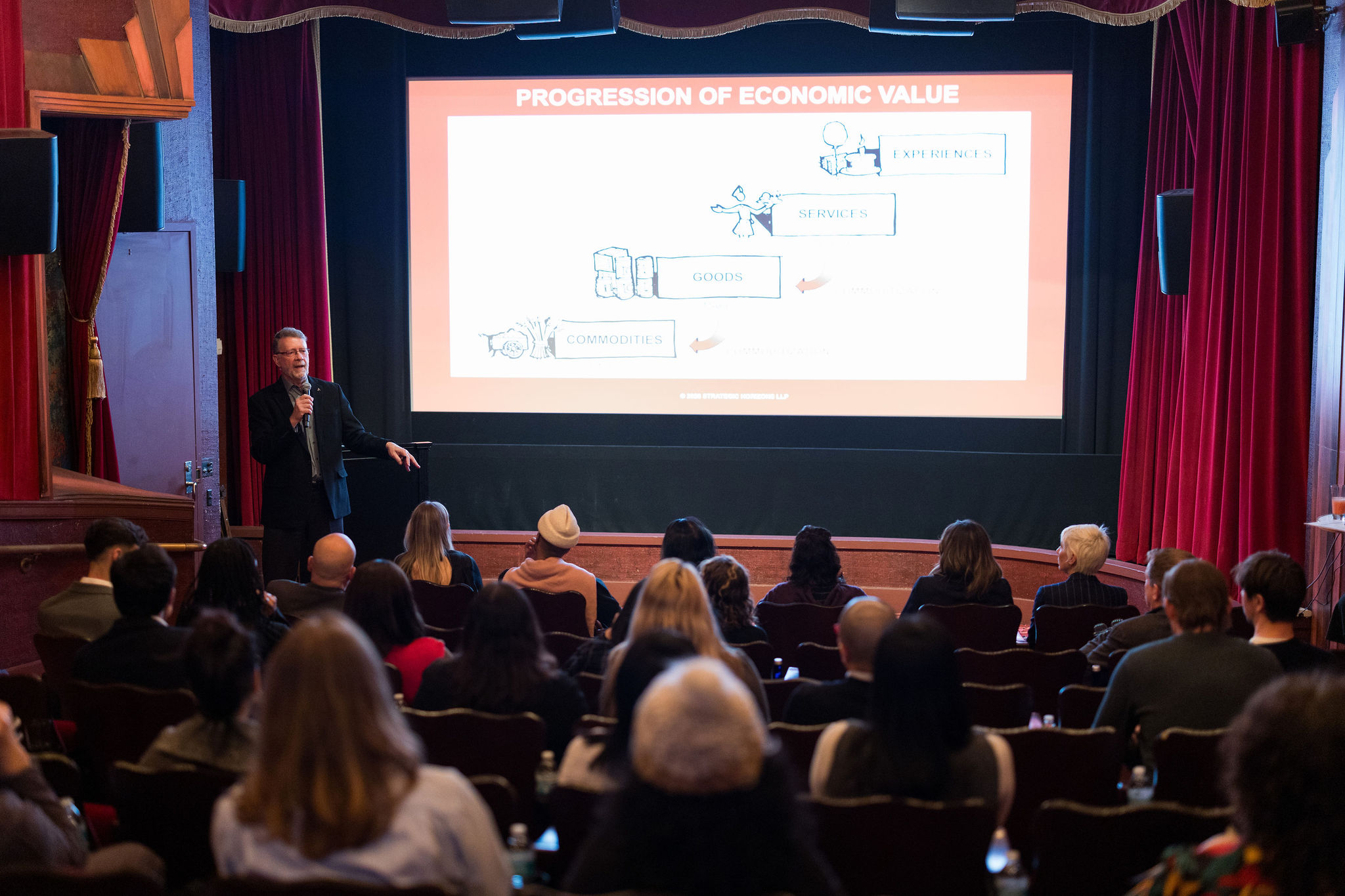
Joe Pine, author of the Harvard Business Review’s bestselling book The Experience Economy opened with a statement that felt both obvious and destabilizing – experience is not a “nice to have” but the primary unit of value. In a world of scarce attention and endless choice, what people really pay for isn’t utility, but a feeling they remember – and return to.
When experience becomes the product, marketing stops being a wrapper and starts becoming the thing itself. Places stop being containers and begin to behave like invitations to people from all walks of life. And authenticity, long treated as a brand attribute, becomes a structural requirement.
Crucially, experience isn’t just about delight. When places are true to who they say they are, when what’s promised and what’s lived, people sense it – and they come back. When they don’t, no amount of surface-level activation can compensate.
Public space is cultural space, whether we design it that way or not
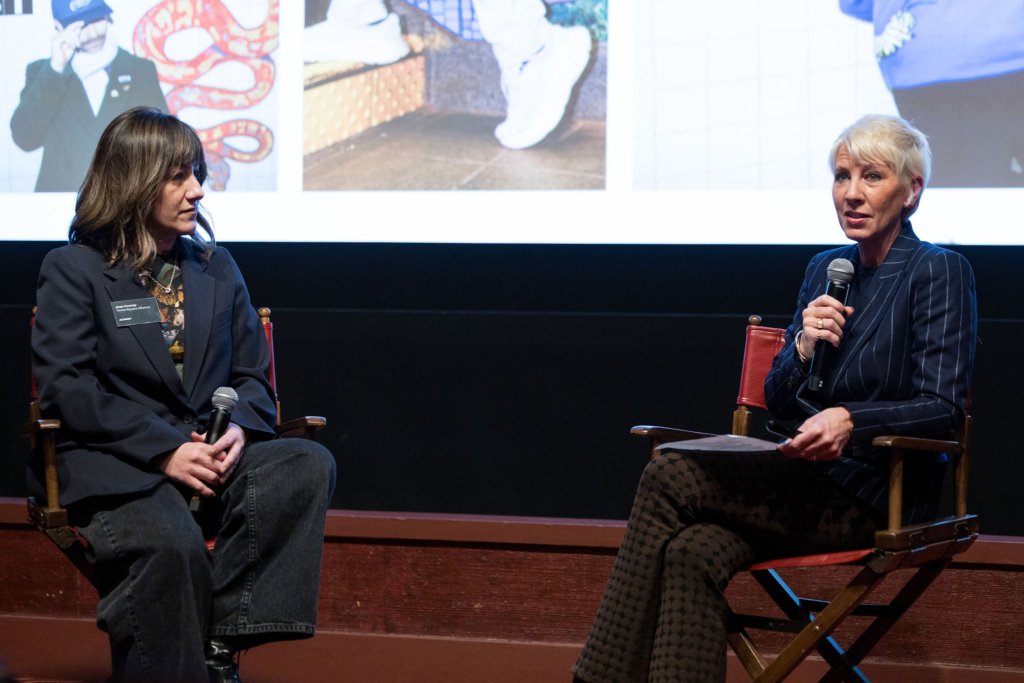
Some of the most compelling ideas of the day came from those working at the sharpest end of civic scale – transit systems, streets, and one of the busiest public squares in the world. Both Tina Vaz at MTA and Jean Cooney at Times Square Alliance represent art and culture within places where millions move through daily, often without choosing to be there. Which, as they discussed, makes both the challenge and the opportunity profound.
So what does it mean to introduce art into spaces often defined by speed, pressure, or routine? Ultimately, it’s to create moments of pause and shared human experience in the middle of a system designed for efficiency.
The answer is often about responsiveness, and recognizing that these environments are already cultural platforms and treating them as such. The audience may be unintentional or transient, but that doesn’t make them any less deserving of depth. If anything, it raises the bar. The work has to meet people where they are, emotionally and physically, and offer something that earns their attention rather than demanding it.
Art reorganizes space
Repeatedly, the conversation returned to the role of artists as catalysts from the beginning, not as contributors at the end. When art is embedded early it changes the way space is conceived, used, and shared.
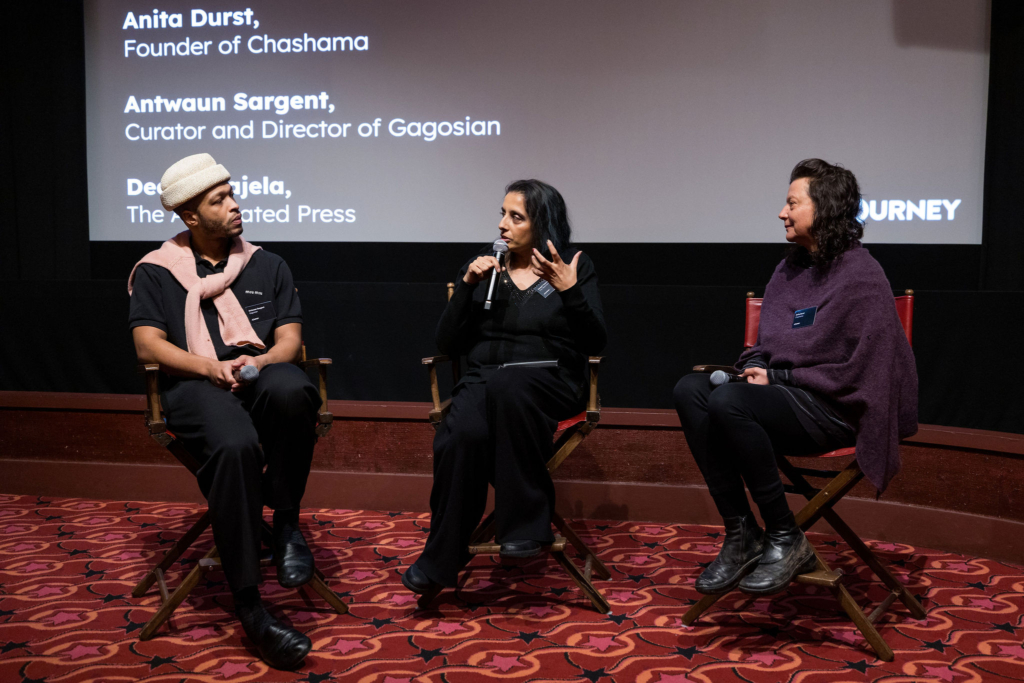
This has implications for cities grappling with vacancy, inequity, and access, as discussed between Anita Durst from Chashama and Antwaun Sargent at Gagosian. Underused buildings become sites of experimentation, and temporary interventions often become long-term relationships. Cultural activity stops orbiting only elite institutions and starts embedding itself into neighborhood life too.
What’s striking is how rarely this work is about grand gestures, and how often it depends on trusting artists and communities with real agency, and on understanding that value is social and cultural first, economic second.
Food is the social operating system
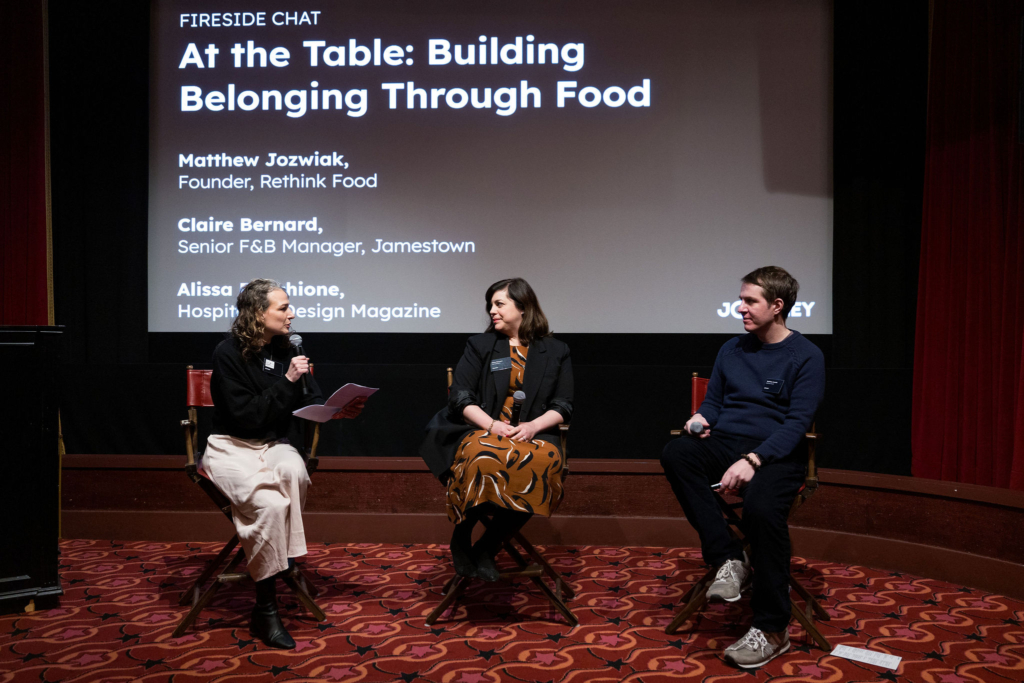
Few things are as universal as food, and yet few things are as underestimated in discussions about place. But food quietly does what many strategies struggle to achieve. Matt Jozwiak at Rethink Food and Claire Bernard at Jamestown eloquently explained how gathering people around food lowers barriers and creates ritual, without pretense.
What became clear is that food-led placemaking only works when it resists optimization for its own sake. Chasing yield per square foot may maximize short-term returns, but it often erodes the very qualities that make a place matter. The most successful environments are those that give operators room to breathe, experiment, fail and recover.
The city is becoming the stage again
Threaded through the conversation was a return to one of the oldest ideas in cultural history – that performance and community are inseparable, and that art is not, and should not be, something we simply observe, but something we participate in.
As Mark Grimmer of Journey explained, theaters once operated this way, with no hard boundary between audience and performer. Today, that logic is re-emerging across cities, as storytelling, light, sound, and digital media spill both in and out of formal venues and into everyday life.
So, what’s changed? Technology may be the toolkit that’s expanded the range of what’s possible, but the most resonant work still begins and ends with narrative and emotion, and a deep understanding of how a story is told.
When places are designed to perform, not constantly but intentionally, they create moments of collective effervescence – the moments where people feel part of something larger than themselves.
Institutions are shifting from guardians to hosts
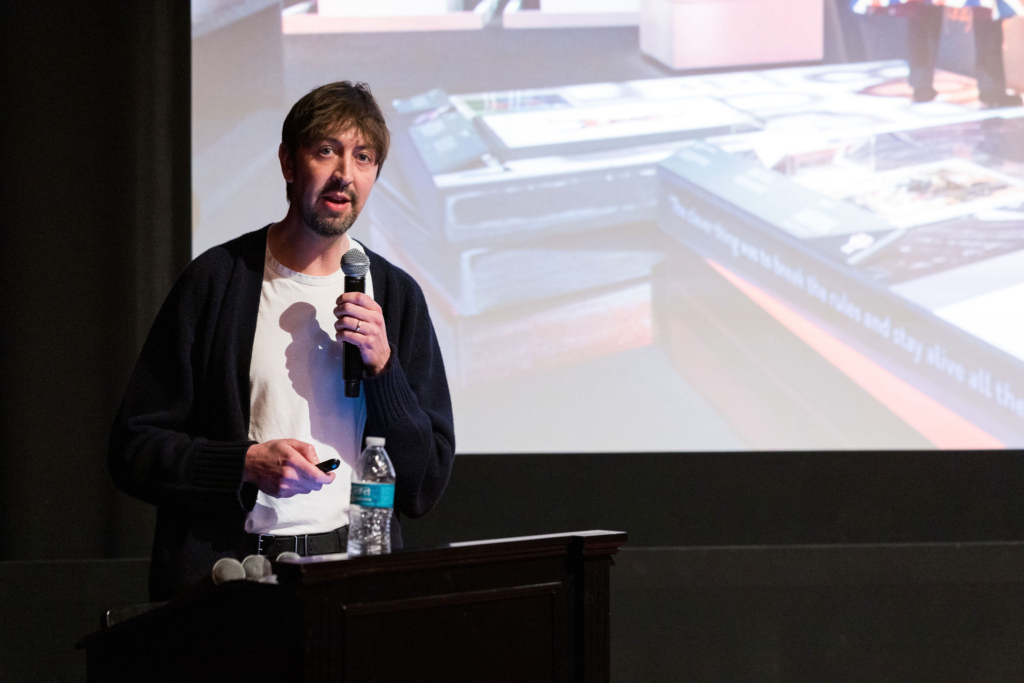
Museums, libraries, galleries, theaters and other cultural organizations across New York City are undergoing a quiet but significant redefinition. Once conceived primarily as repositories of knowledge, they are now being asked to function as accessible, legible, and welcoming civic spaces, for people who may not see themselves reflected in traditional cultural spaces. A theme reflected throughout the day by Doug Reside at the New York Public Library, Alexander Dodge Designs and Katherine Fleming of the J. Paul Getty Trust.
Rather than diluting content or lowering ambition, we should expand the frame, creating strategies and designing experiences that acknowledge how people arrive, what they bring with them, or how they might want to engage through a place from day to night.
Success, in this context, should no longer be measured solely in ticket sales or visitor numbers, but instead in an increase in time spent. If visitors leave with the sense that even a part of a place belongs to them, even if it wasn’t necessarily built with them in mind, it has succeeded.
Every space has a stage, whether it knows it or not
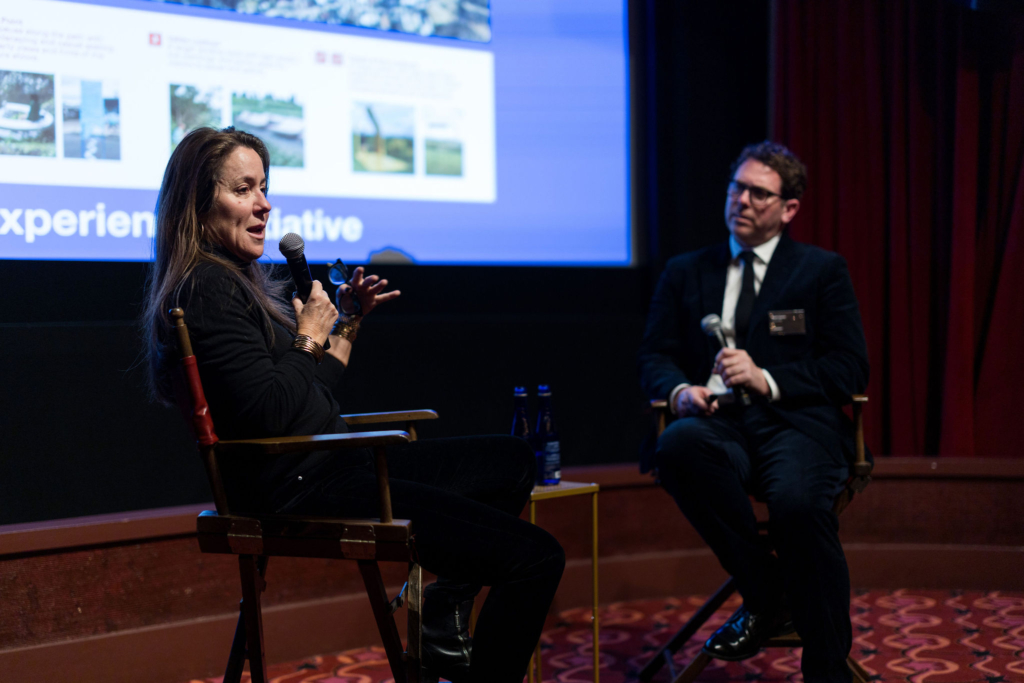
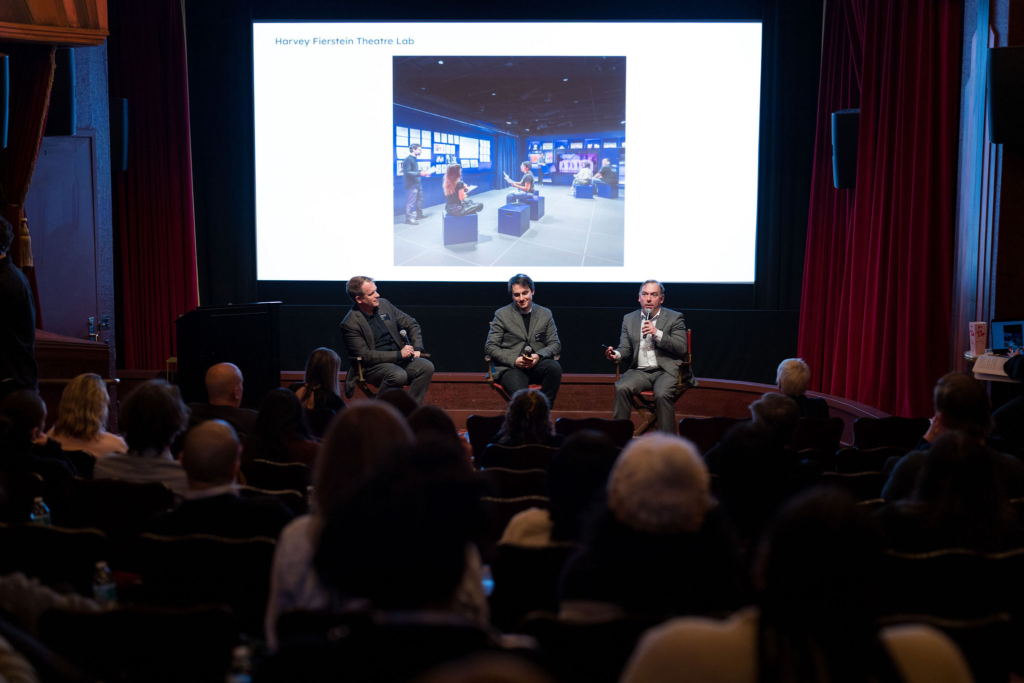
Perhaps the most forward-looking idea of the day was also the simplest – that many of the venues culture so desperately needs already exist –in hotels, restaurants, museums, office blocks, or transit hubs. They have audiences and a physical footprint, but they often lack intention, explained by Journey’s Olivia Reid. With a loss of independent venues across the city, it’s important we focus both on the multitude of existing spaces capable of hosting performance and gathering, as well as designing new spaces for “live mode” from the outset.
When this happens well, the line between audience and host begins to blur, and people begin to contribute to the experience itself. As the place evolves, so do they, and over time a cultural memory develops that is hard to replicate elsewhere.
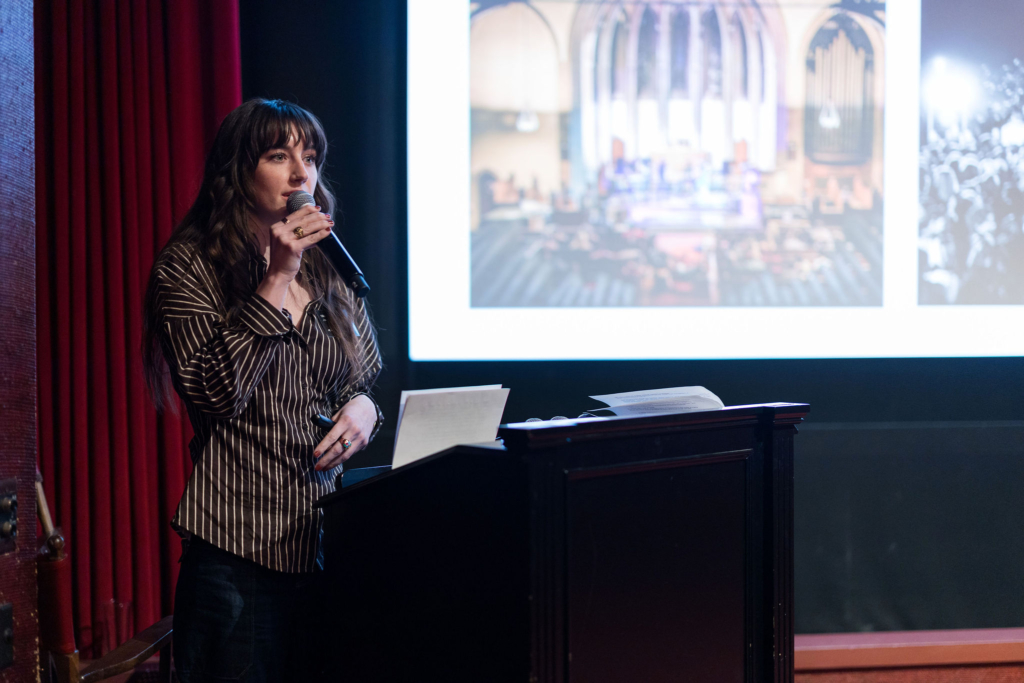
What lingers from these brilliant voices is a shared direction of travel. We are encouraged to move away from placemaking as a branding exercise, or experience as a surface treatment.
We all desire a move toward places that are generous and alive. Places like the Getty Center, Gagosian or Times Square can still look impressive, but feel more inhabited. They understand that the culture within them is their connective tissue, and are willing to be changed by the people who use them.
This feels like the work ahead, and that’s where Journey joins the conversation.
Journey World Magazine – Issue 01/2026
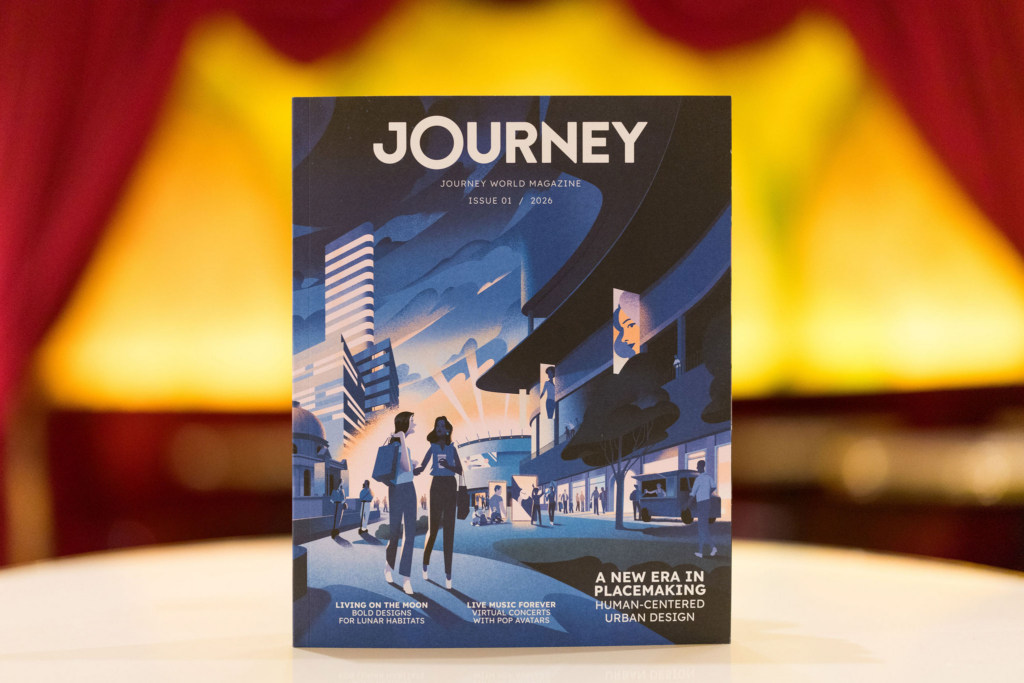
A gift for our many friends and clients around the world, this publication brings together intriguing stories from a wide range of experienced journalists, exploring the businesses and sectors Journey works in. It shines a spotlight on outstanding ideas across multidimensional design, entertainment, fine dining, travel, culture, fashion, retail, healthcare, technology, and more.
Journey has always prided itself on leading the way in multidimensional experience design, both physical and virtual, connecting people, brands, and culture. We hope this magazine highlights the importance of that work, and the ways in which it enriches the lives of the people who ultimately experience it.
Download Journey World Magazine – Issue 01/2026
To access the full digital edition, please complete the form below.