
The immersive power of real-world spaces
It’s easy for brands to simply stay in their lanes—for a streaming platform to exist only on our devices. For an apparel company to stick to its web presence. For an airline to reside solely in the skies.
However, in today’s experience-driven world, brands are designing destinations that step beyond their traditional boundaries and into new physical realms, and these are the ones that connect most deeply with their audiences. These new brick-and-mortar, immersive spaces empower companies to move beyond simple consumer transactions to create ‘brand homes’ that foster genuine connections and community.
Below, we explore how five organizations across a variety of industries are doing just that, with commentary from Journey Managing Director Matt Quinn on what we can learn from their strategic worldbuilding at large.
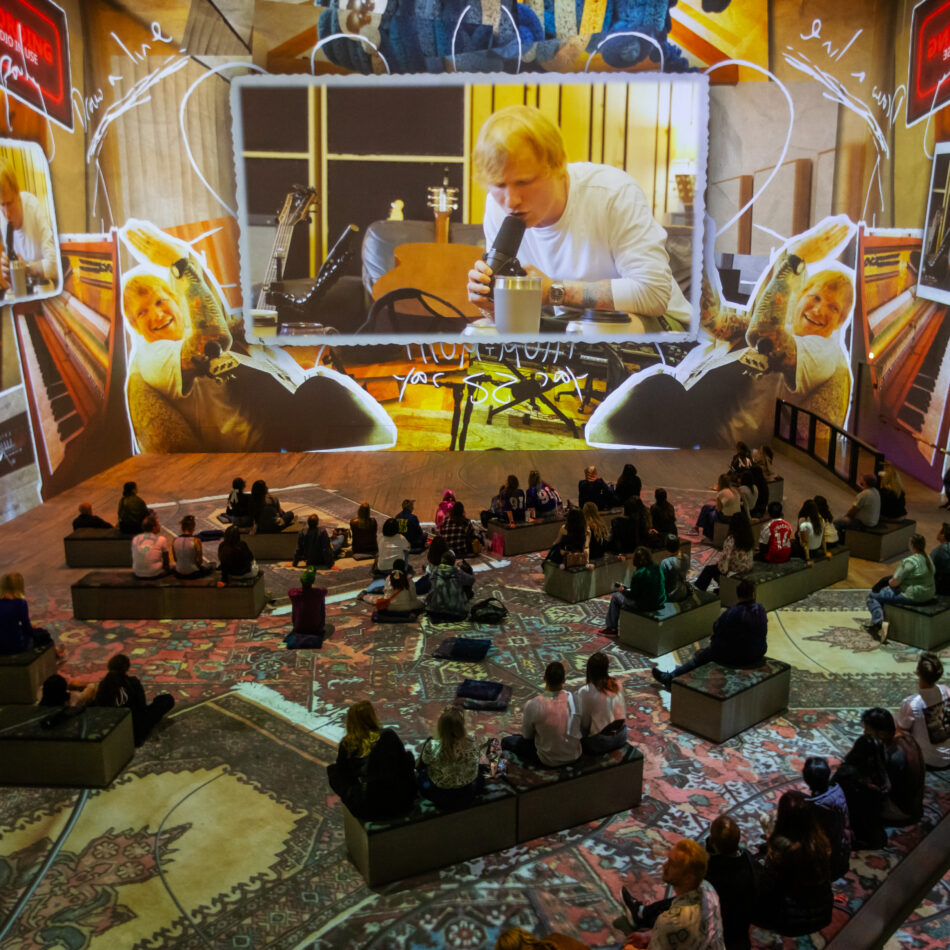
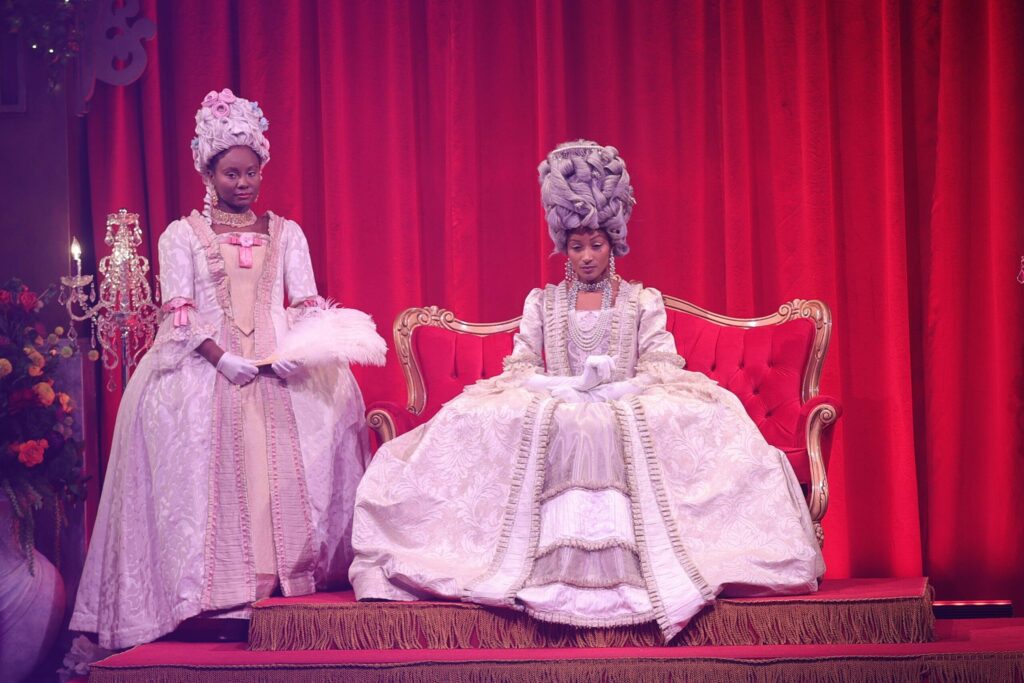
With “The Queen’s Ball: A Bridgerton Experience” and other projects, Netflix has experimented with immersive events and pop-ups that tap into its deep fan base. But with Netflix House, the company is planting deeper roots—and further reminding the world of its status as an innovator, while setting itself apart from its competitors. At Netflix House, fans can take part in (non-lethal!) “Squid Games” and explore the worlds of shows like “Stranger Things” and “Bridgerton.” It’s set to be utterly immersive for passionate viewers, from the in-show experiences to thematic food and exclusive merch—and it’s a move to maximize the company’s IP, with the potential to generate new revenue streams, retain subscriptions and maintain fan engagement between gaps in seasons of hit shows.
While discussing Netflix House, Quinn recalls a similar experience at Secret Cinema, a series of interactive film nights that immerse fans in the worlds of Dr. Strangelove, Back to the Future, and Guardians of the Galaxy, with elaborate sets, interactive storylines (such as a spy caper for Casino Royale), and maximum audience participation.
“You really were just completely brought into the world of the movie,” Quinn says. “And I remember thinking, Why don’t more people do this? This is such an extraordinary thing, and it just ties into a completely different, much more emotional, deeper connection to the story. So I give huge credit to Netflix for trying to figure this out with Netflix House.”
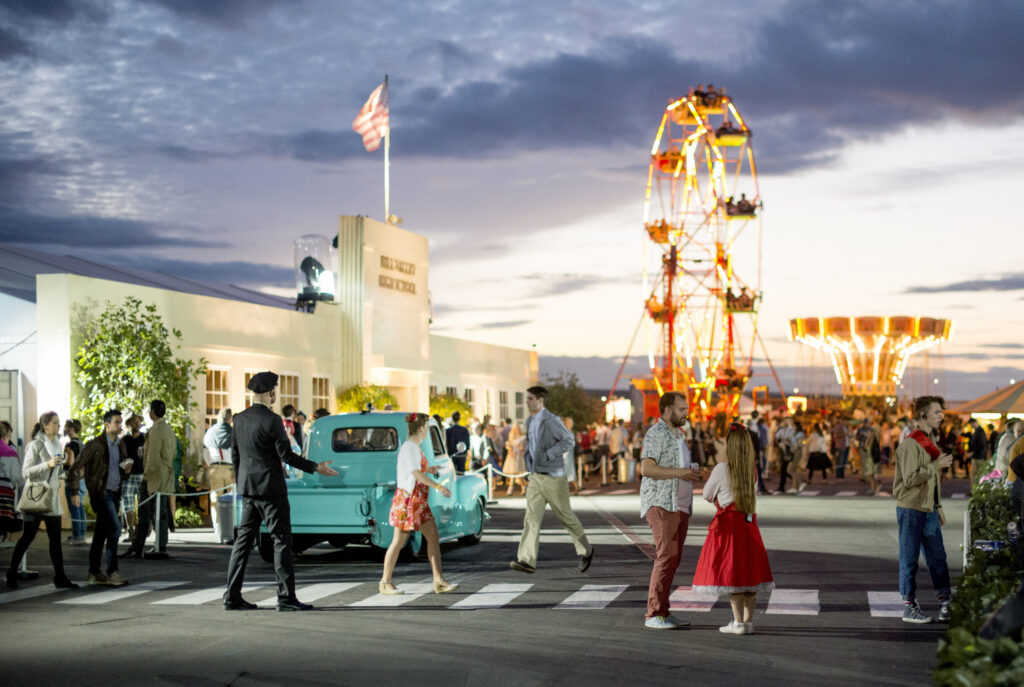
He adds that studios can no longer simply release a movie and hope it succeeds. The future lies in building deeper, more immersive connections with audiences. While Walt Disney may have pioneered this approach, any brand can start at its own scale. Netflix, for example, is taking a distinct path by repurposing former department stores in King of Prussia, PA, and Galleria Dallas for its Netflix House locations—an intentional and commendable case of adaptive reuse.
Building Authentic and Innovative Physical Spaces
Speaking of adaptive reuse, London’s House of Vans launched in 2014 in a setting that perfectly mirrored its audience and skate culture—a 30,000 square foot underground hub beneath the subway, adjacent to the graffiti-laden Leake Street. Designed by skateboarders, the space reflected a deep understanding of its audience. It featured a skate park, live music venue, cinema, art gallery, and areas for community talks — all of which were completely free to enter. When London’s famed Southbank Undercroft skatepark was under threat from developers, House of Vans hosted a series of talks by Long Live Southbank, an activist group of skaters, to push back against a planned redevelopment of the Undercroft and successfully advocated for the developer to include a new skate park as part of their plans.
Various House of Vans iterations have popped up and faded away over the years, and the iconic London location followed suit in 2022 after welcoming some 1 million visitors—but it remains an outstanding example of how a major brand can authentically enter all-new physical spaces and create cultural relevance via a symbiotic relationship with the community it serves (a legacy the brand continues today with the Mexico City House of Vans).
After all, “People don’t appreciate when a brand arrives like a spaceship that drops into your community, and declares, ‘You’re welcome, we’re here now’.”
Brilliantly Balancing Digital and Physical
The scale of ABBA Voyage is vast: The iconic Industrial Light & Magic studio created custom digital avatars that feature the legendary band as they appeared at the height of their glory days, performing a 22-song set in a custom-built arena in East London. As Bloomberg reported, it’s one of the most expensive productions in music history—but it paid off, making $2 million a week in sold-out shows since launching in 2022. It’s a testament to the power of audacity and thinking big.
For Quinn, the key to it all is that it’s not purely digital. Sure, those amazing avatars are there, belting out the hits—but so is a 10-piece live band. There are 500 physical lights that enhance everything all at once, and other traditional technology at play to complement the high-tech avatars that everyone came to see.
“Great physical design mixed with digital technology, mixed with performance—you truly do step into a different world.”
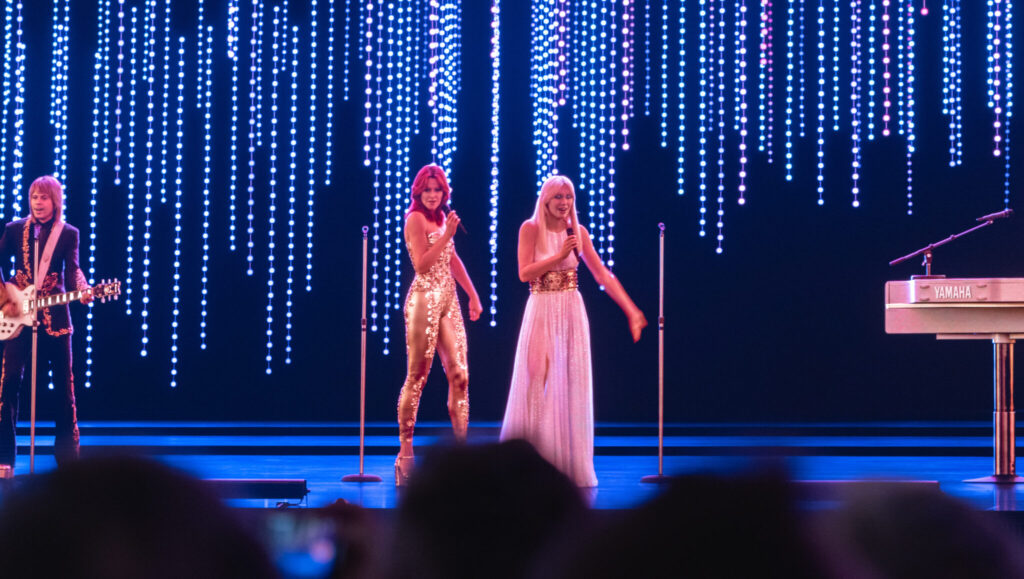
ABBA Voyage shows the true potential of not just delivering a fanbase their ultimate daydream experience—seeing a show they missed or weren’t yet born to see in the ’70s—but also a lesson in experimenting with IP that may seem like a bug encased in amber. “Consider Frank Sinatra doing an avatar performance in a Hoboken speakeasy,” Quinn says. “It’d be sold out for years.”
Moreover: Why aren’t more legacy brands experimenting with hybrid approaches, when they can unlock new revenue streams so organically?
When Enhancing an Artist’s Brand is a Boon for Fans
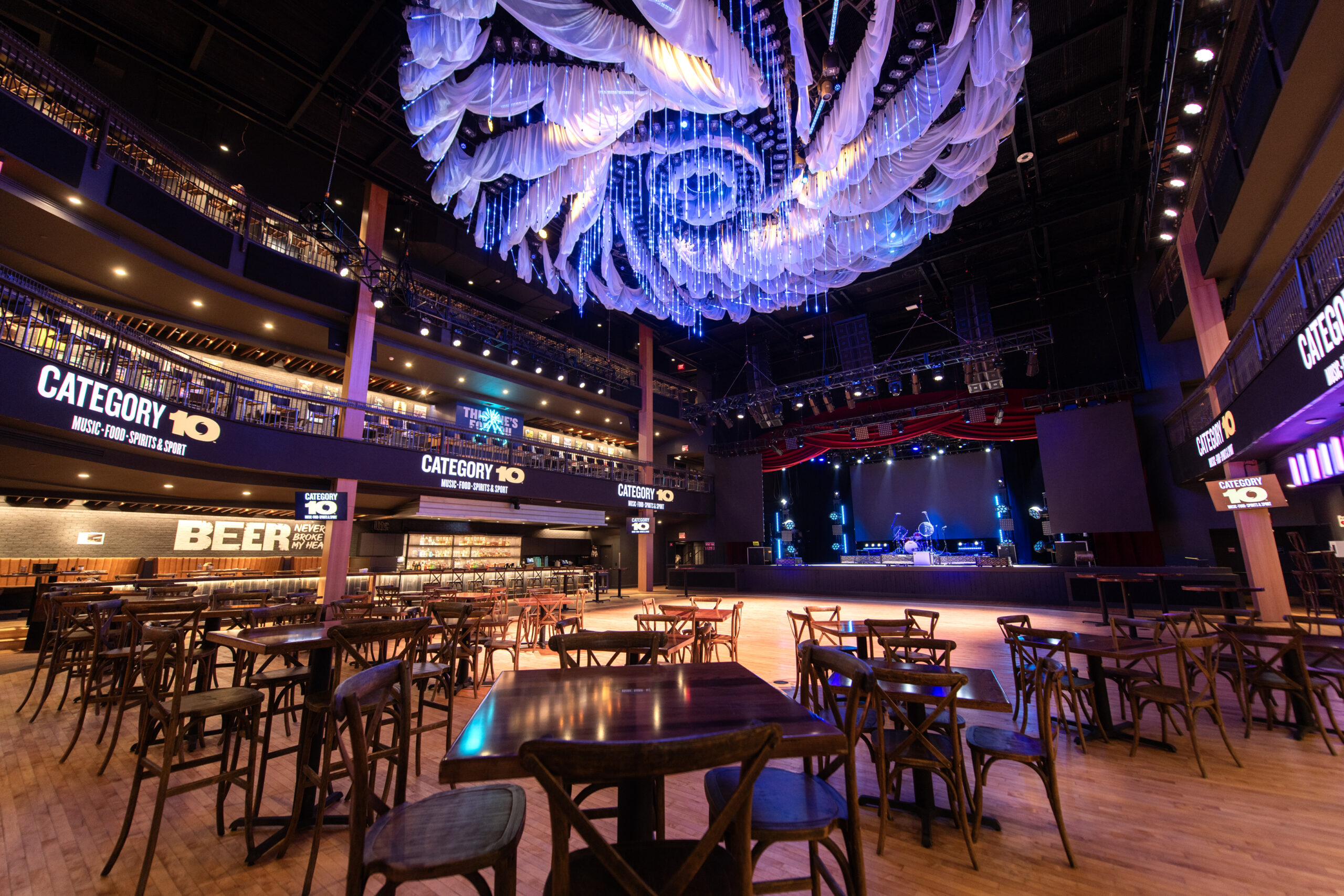
Category 10 is country musician Luke Combs’ new bar in Nashville—but bar is a bit of an understatement, as the hub features a honky tonk, massive dance hall, bourbon speakeasy, sports bar and rooftop bar across multiple levels.
Journey worked on the project with Combs, exploring the question of, “If an artist is going to say, ‘This place is my home,’ what would they want to see in it?”
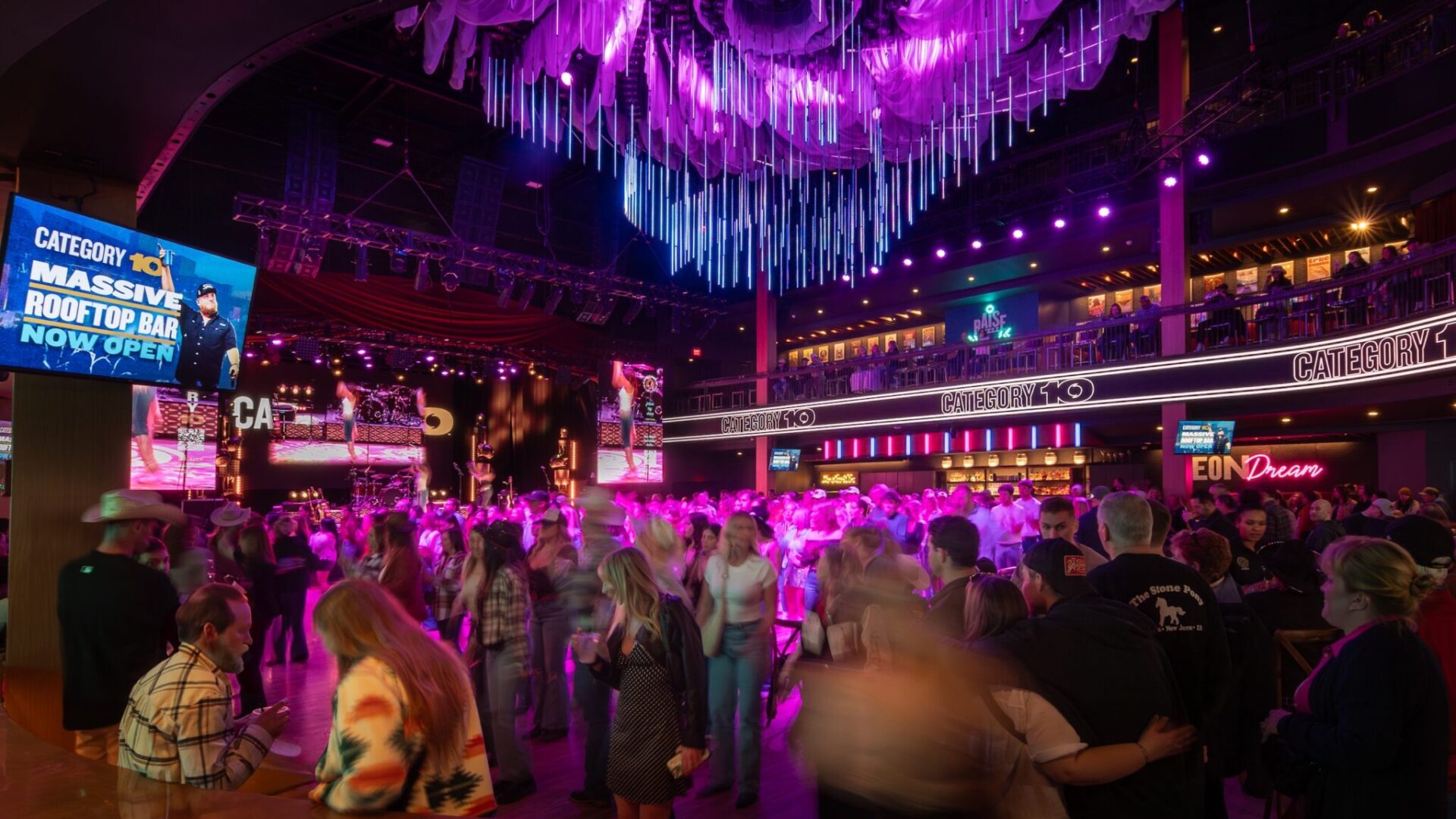
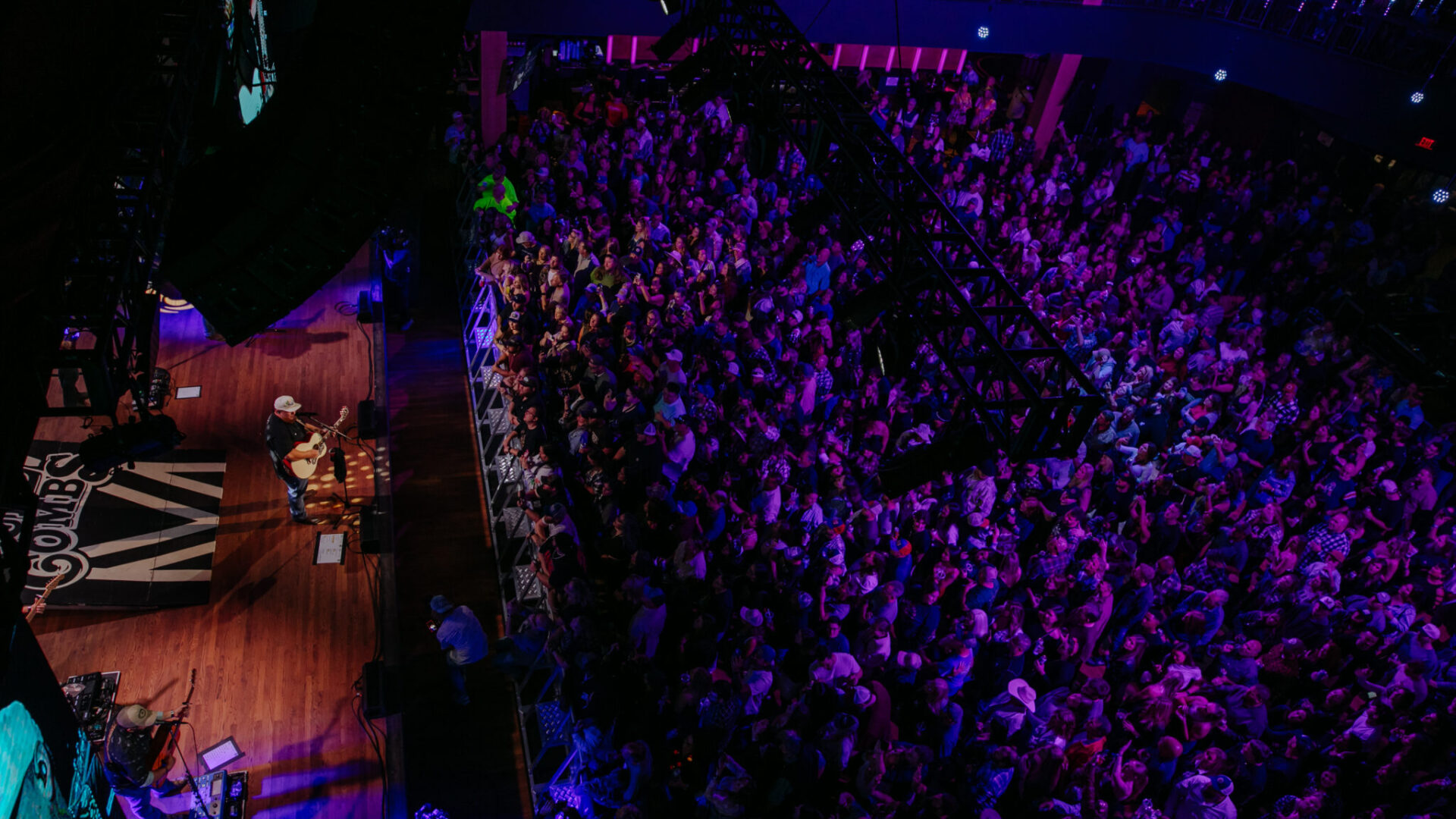
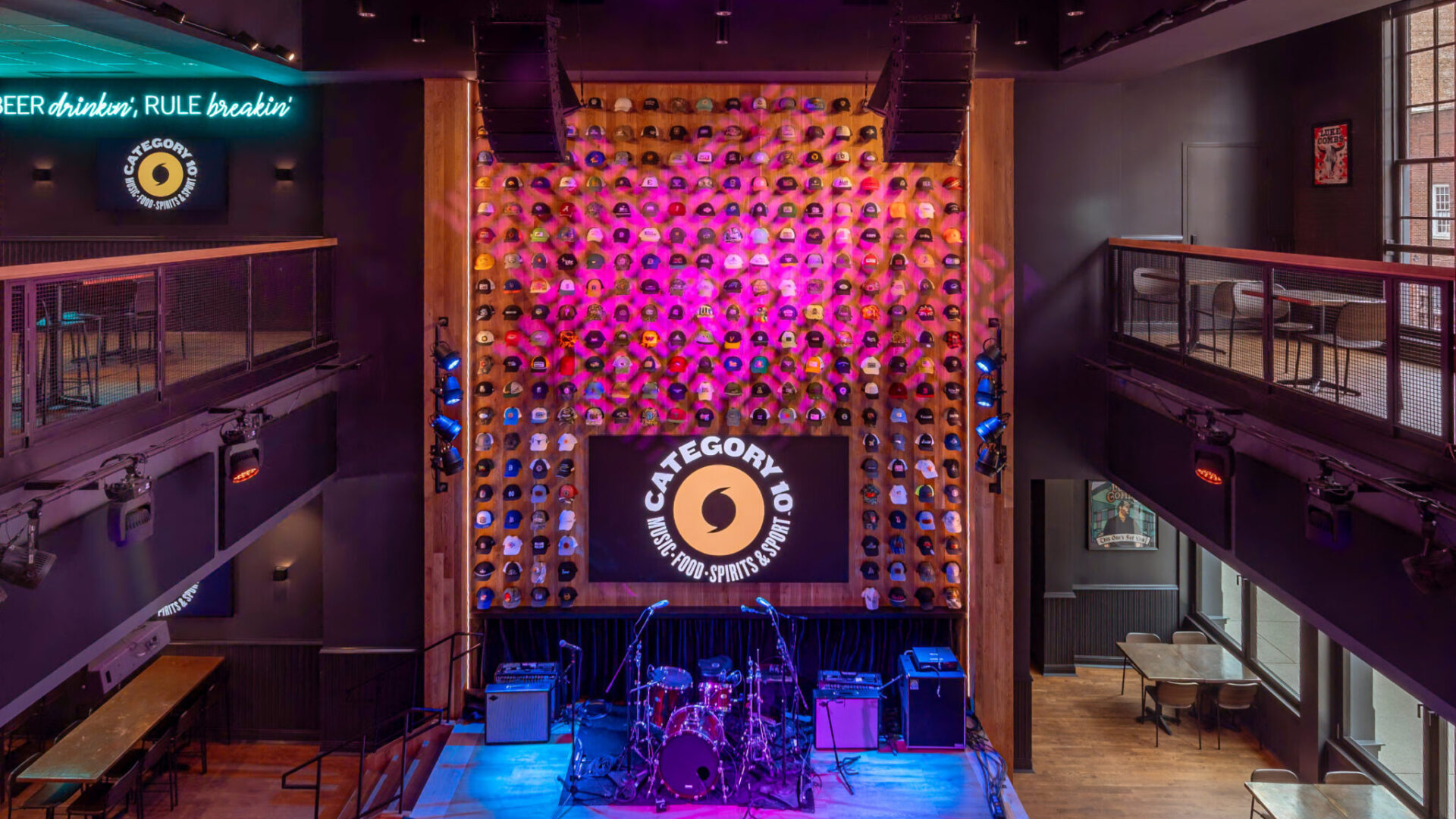
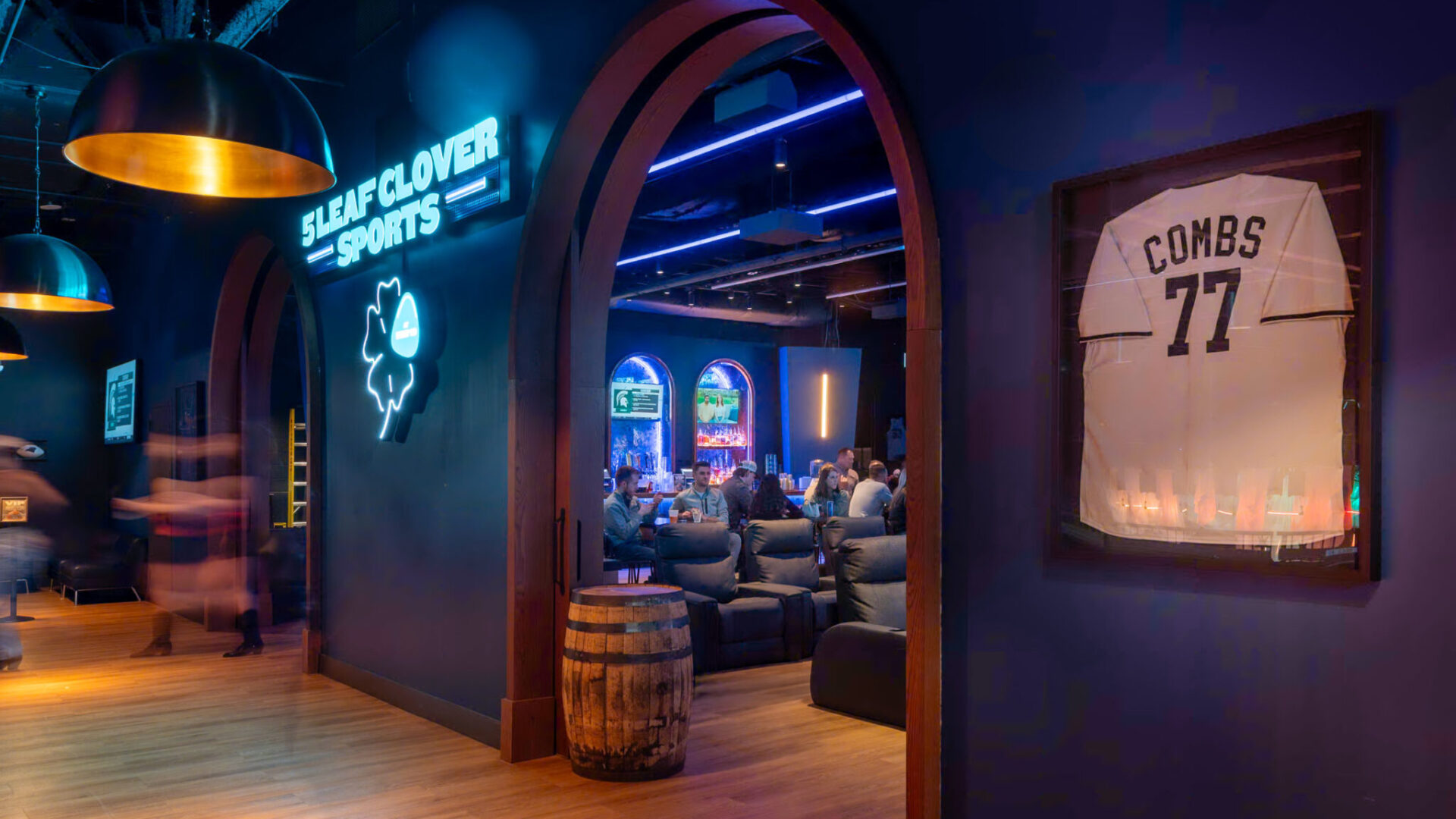
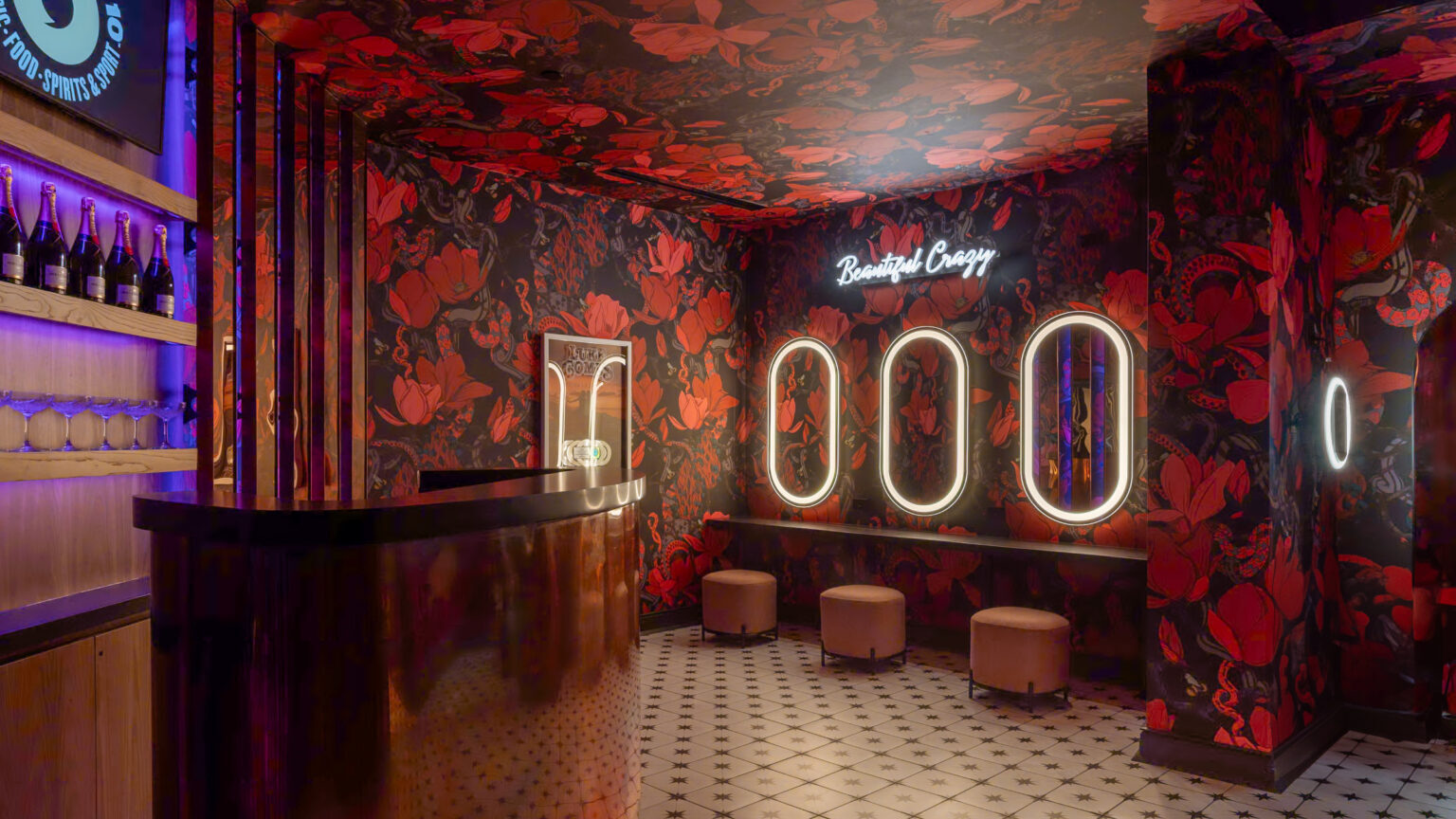
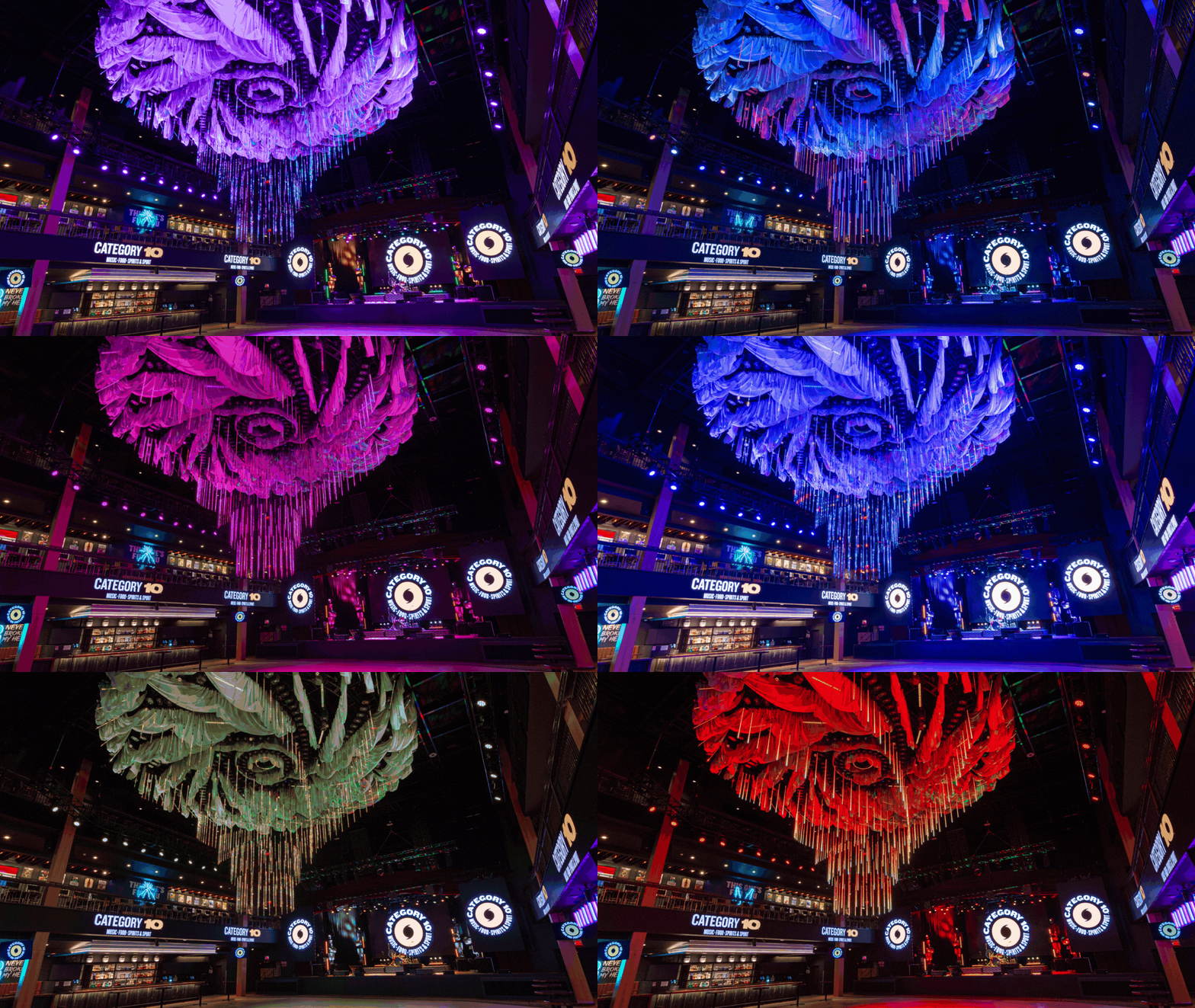
Everything was crafted through Combs’ lens, making it an instant destination for his fans, while deepening his brand in all-new ways. Moreover, while massive performance spaces tend to be dominated by ads in a generic neutral space, Category 10 fosters a direct connection between Combs and his fans in a more authentic 1:1 scenario that filters out the noise.
The result: 1,500+ fans at his inaugural performances, 4 million projected annual visitors—and a scalable concept.
As Quinn puts it, people today don’t just want to hang out in bars, they want to take part in an experience. For artists like Luke Combs, that’s a chance to move beyond streaming and one-off concerts, creating deeper, more lasting real-world connections with fans.
Moreover, the fact that Category 10 is truly a multidimensional space—a place you can line dance, see a concert, watch a game, have dinner, and one that feels organic to the fabric of Nashville—is also perhaps its greatest boon as a venue.
Designing a Landmark Destination That Soars
When it opened to the public in 2014, Delta’s Flight Museum in Atlanta, of course, featured a bevy of incredible historic aircraft—but it also offered a destination for Delta loyalists and aviation fans at large. And when you have a niche audience, it only serves you to serve them.
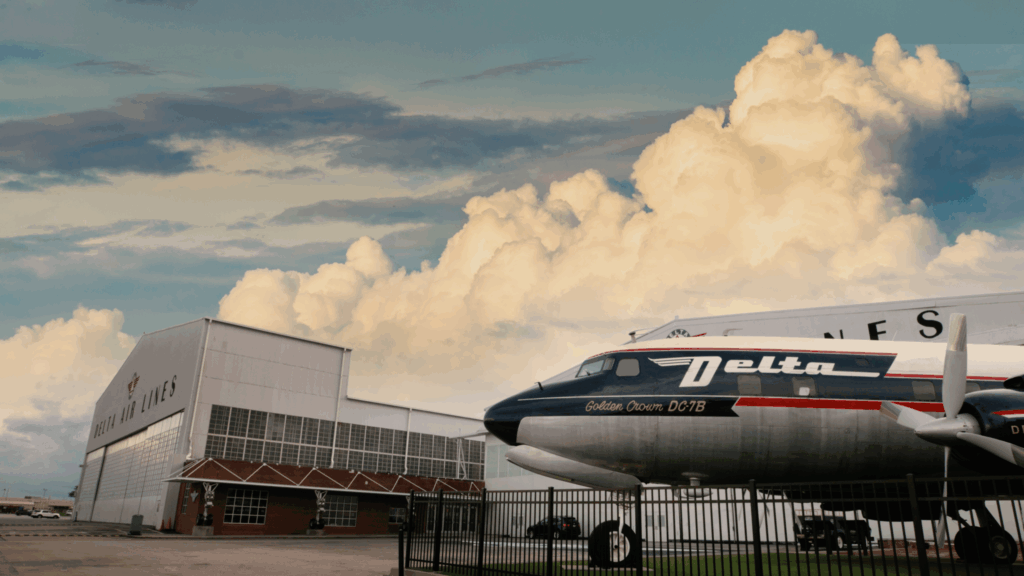
These are really important spaces that allow people to actively participate and understand the brand
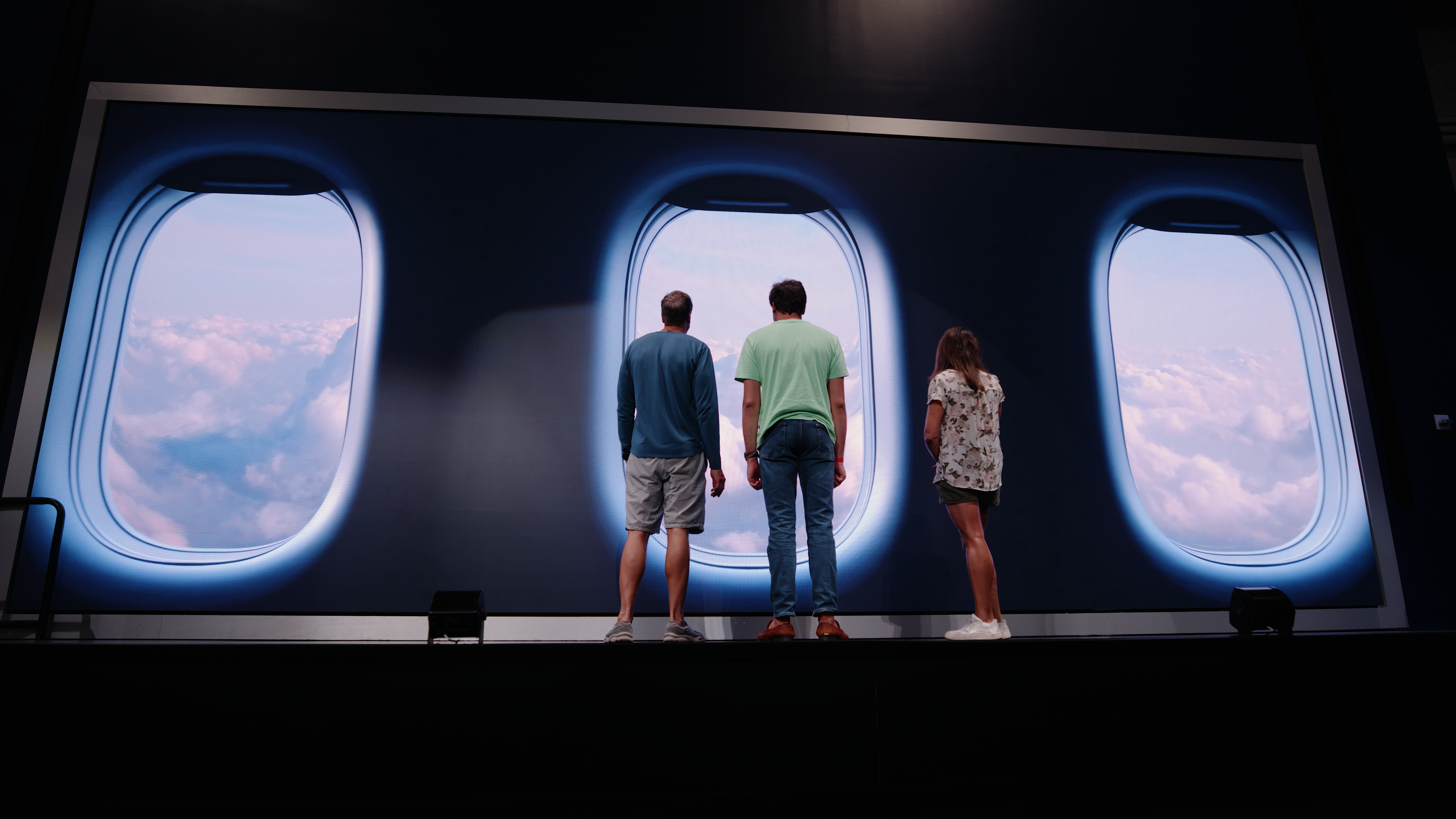
With Delta’s 100th anniversary on the horizon, the company set out to revamp the museum. Rather than dusty traditional gallery approaches, there was an opportunity to amplify the immersiveness—and thus the impact—by turning it into a living showcase of Delta’s history. To that end, one element of the project that Journey worked on is the XR LED-enveloped stage, where visitors select a global Delta destination, hop on a virtual flight, and have their photo taken there.
The museum also features the Delta Centennial Timeline—a massive digital mural combining projection mapping, physical elements and sound design to tell the story of a century of Delta innovation, from the company’s humble crop-dusting origins to its latest tech today. Other hubs within the museum allow people to explore aviation jobs, and even take to the virtual skies in a revamped flight simulator.
What Makes a Brand MDX?
The most successful brands are no longer defined by a single space or moment in time, but by the interconnected universe of experiences they create, worlds that fans can step into, learn from, and shape for themselves. Formula 1 is a prime example, evolving from a sporting spectacle into a global cultural ecosystem that connects audiences across continents through exhibitions, live events, and immersive experiences.
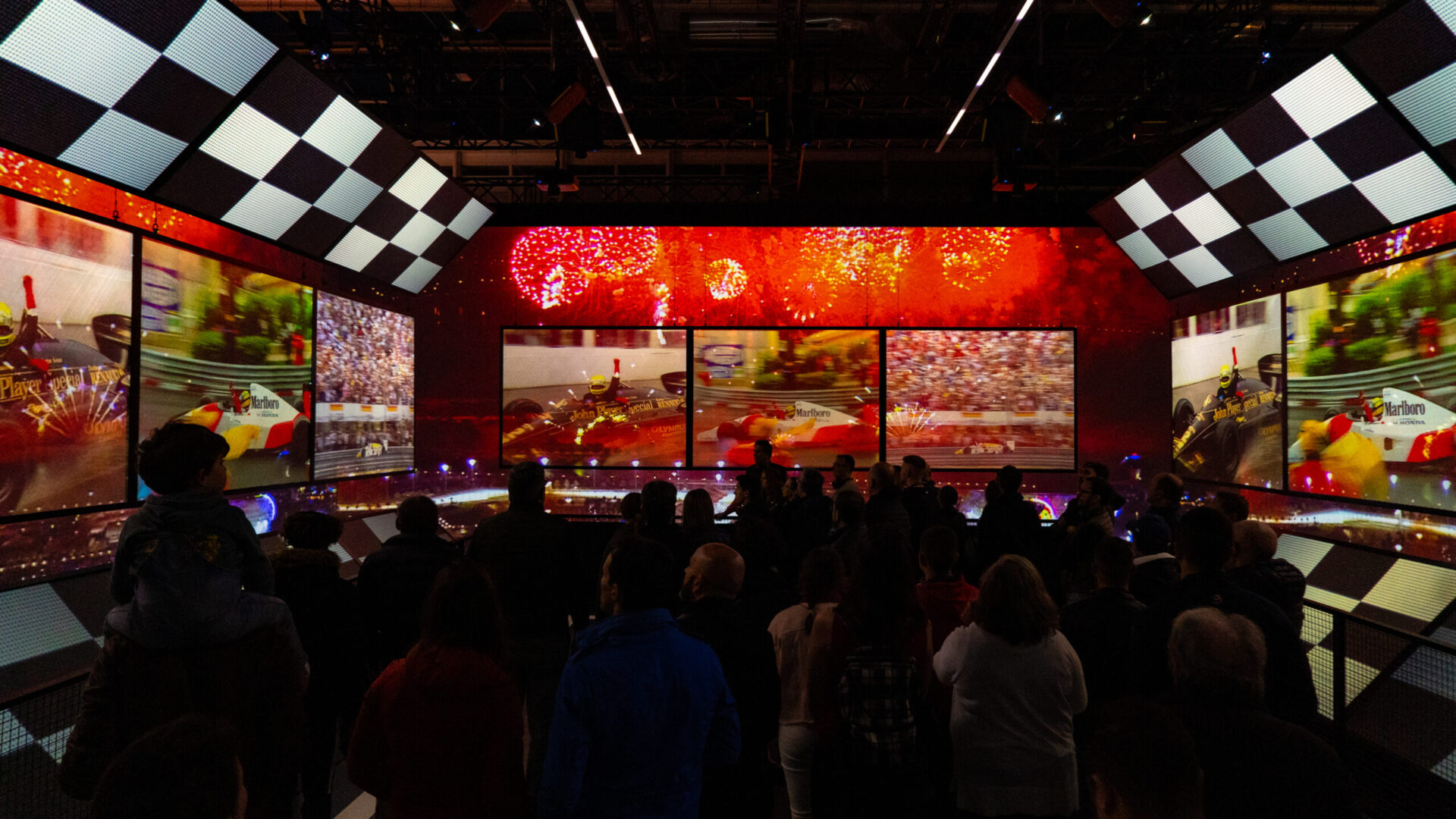
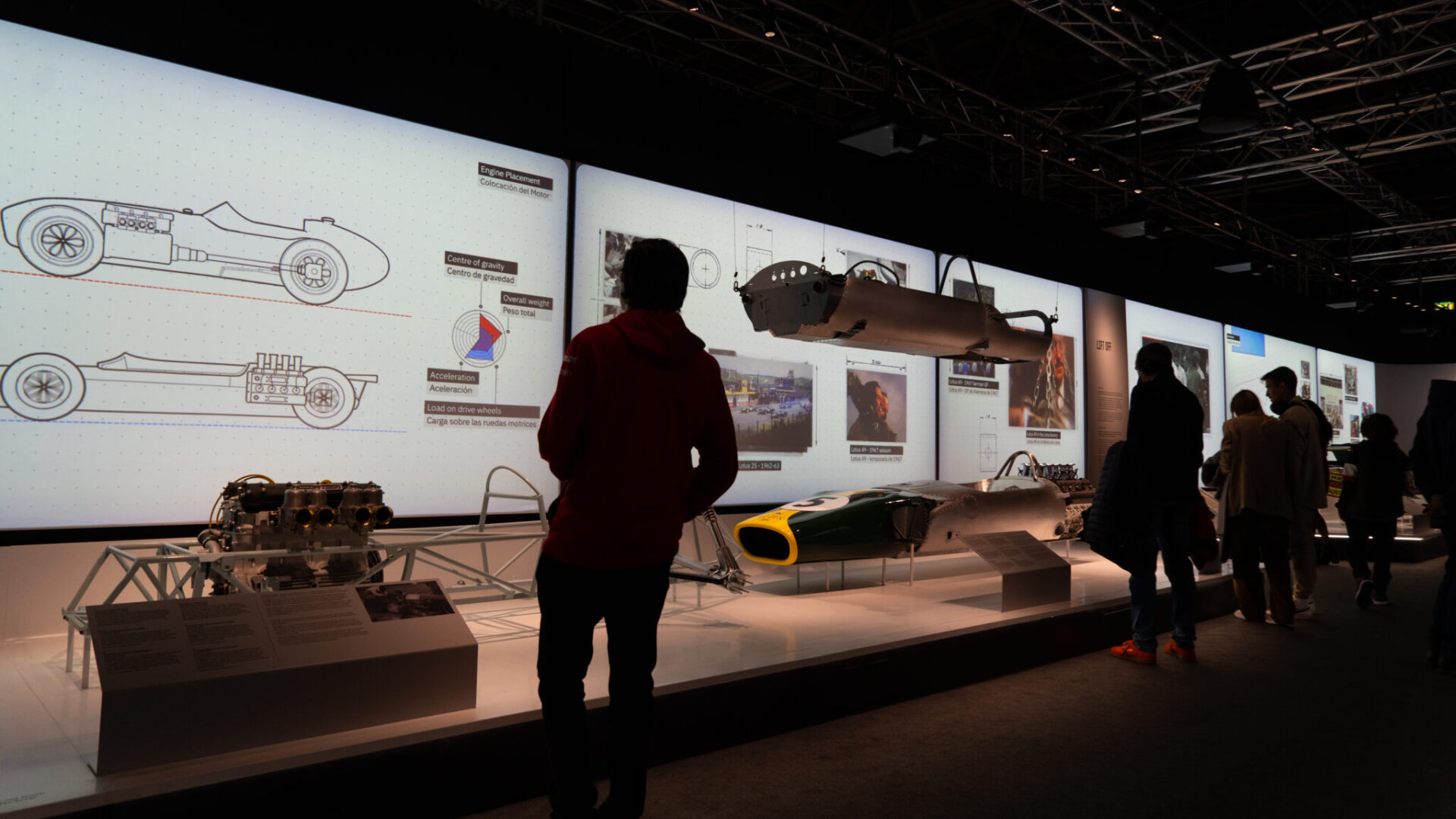
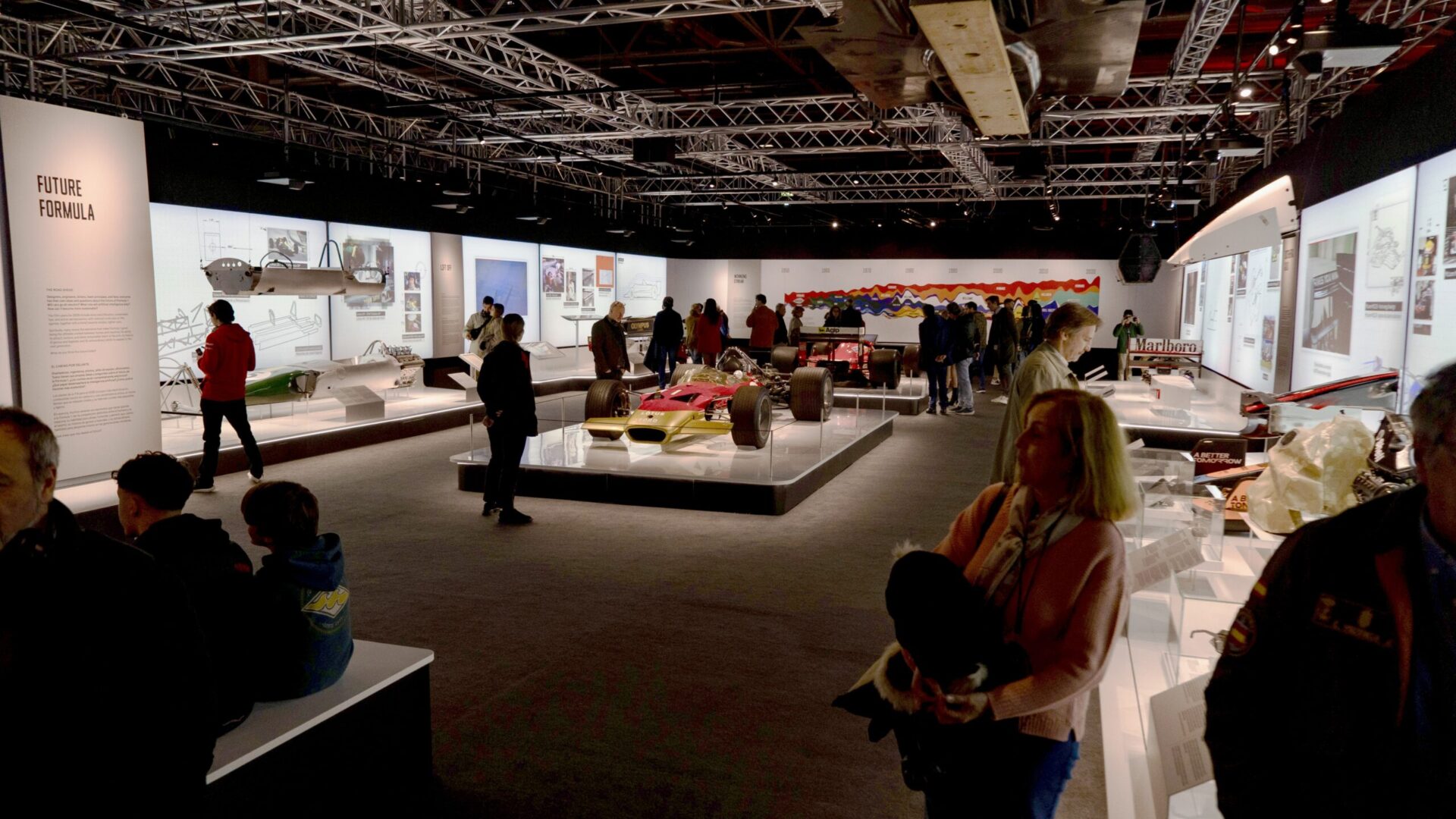
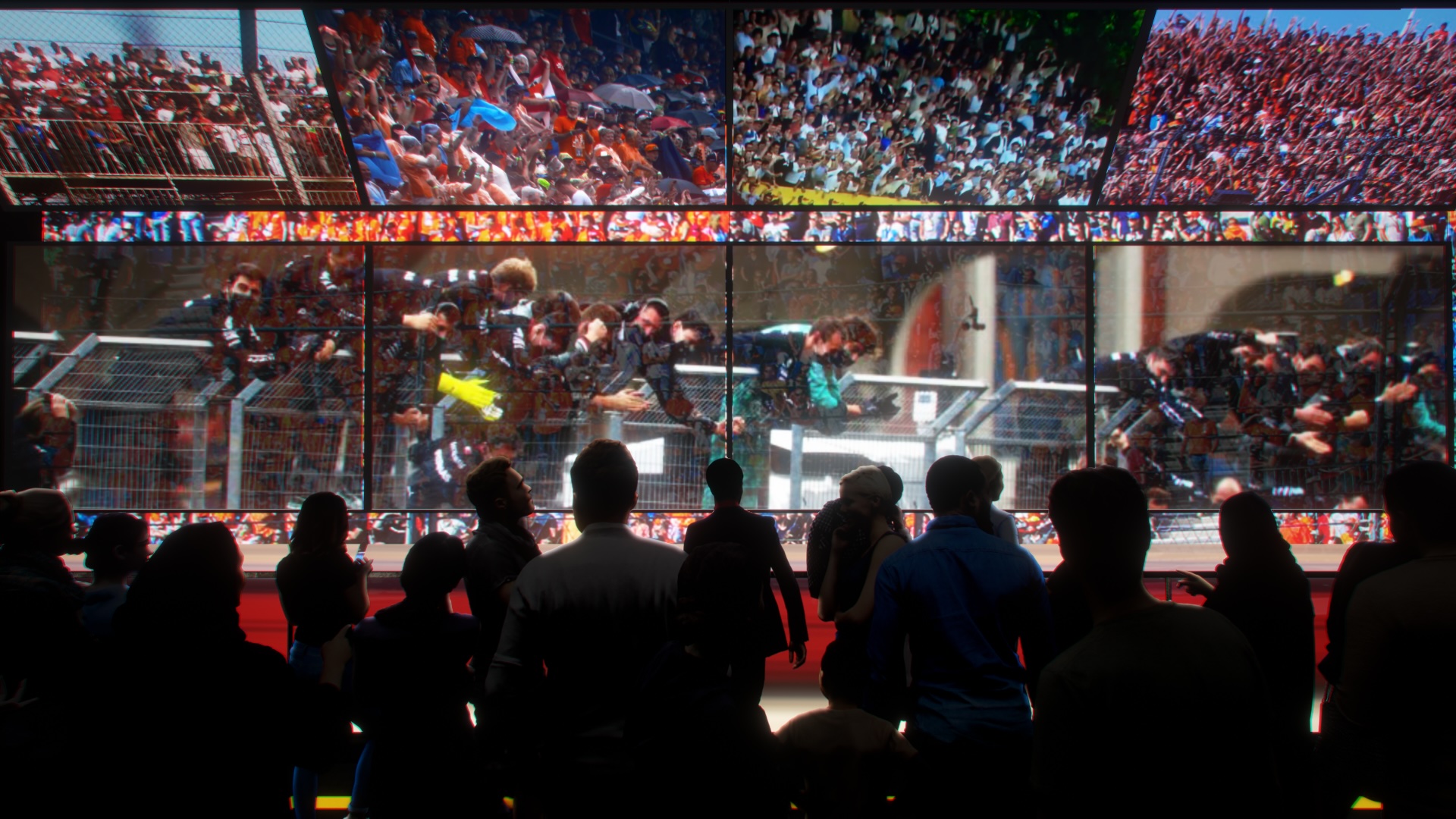
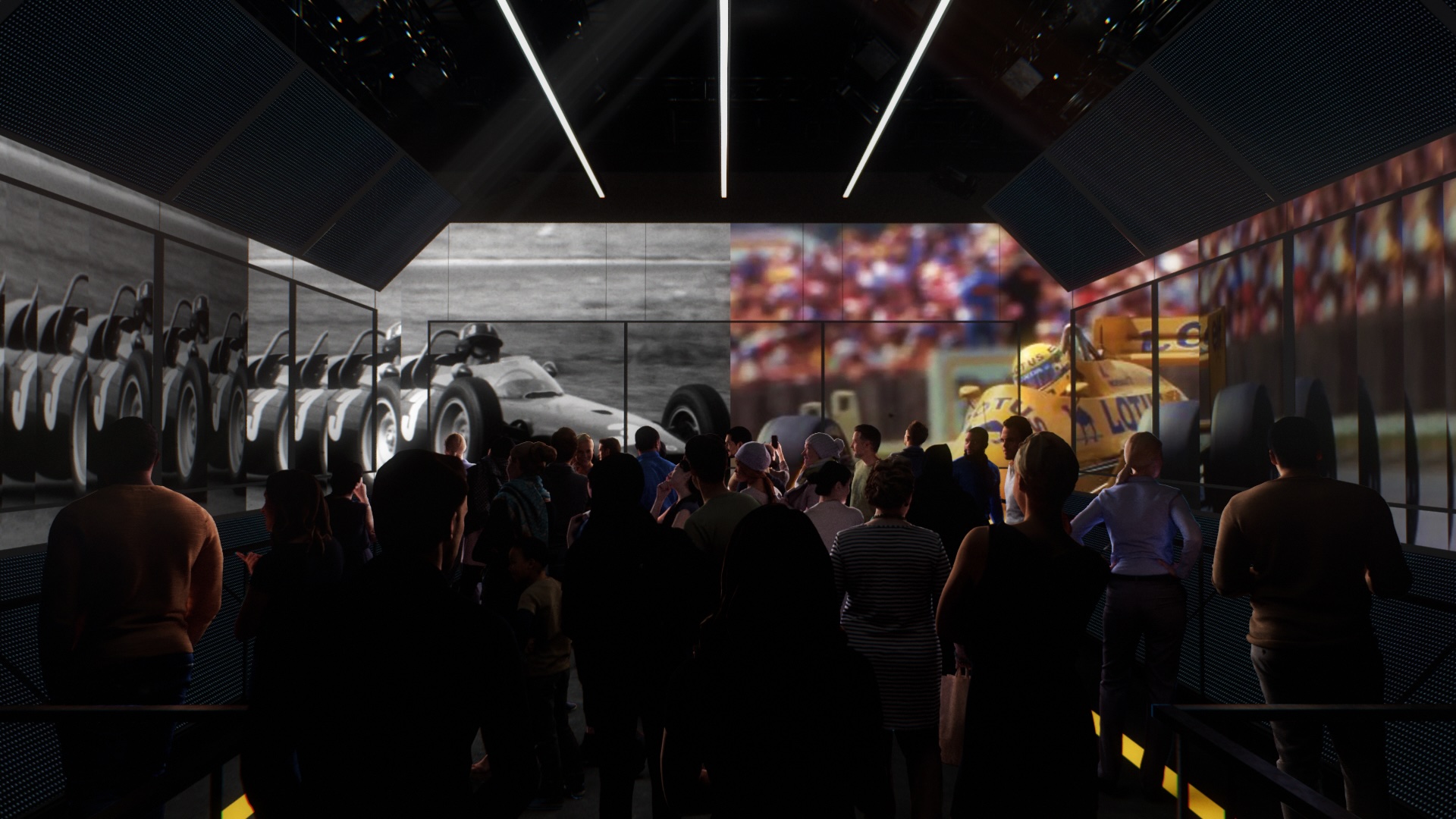
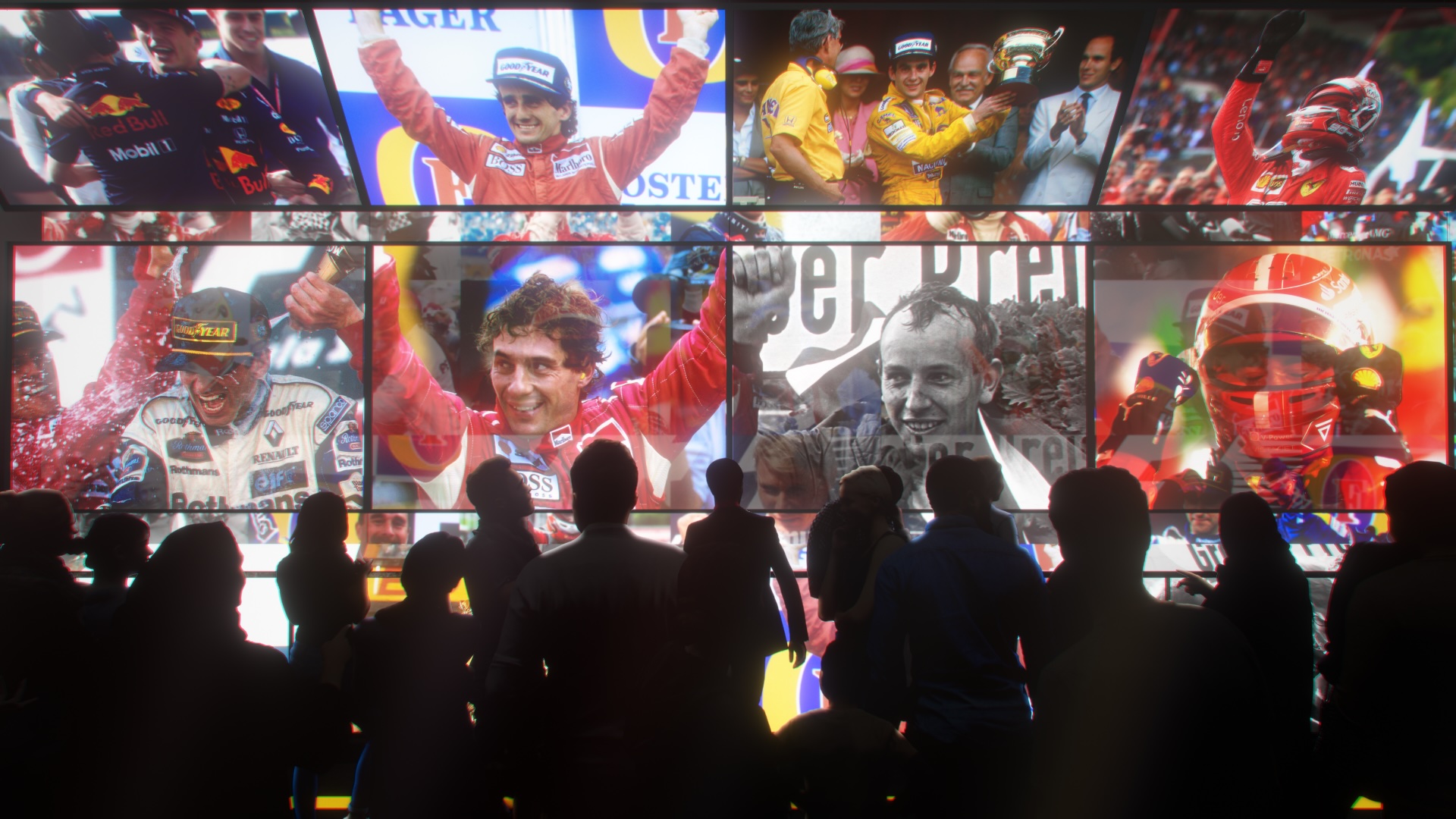
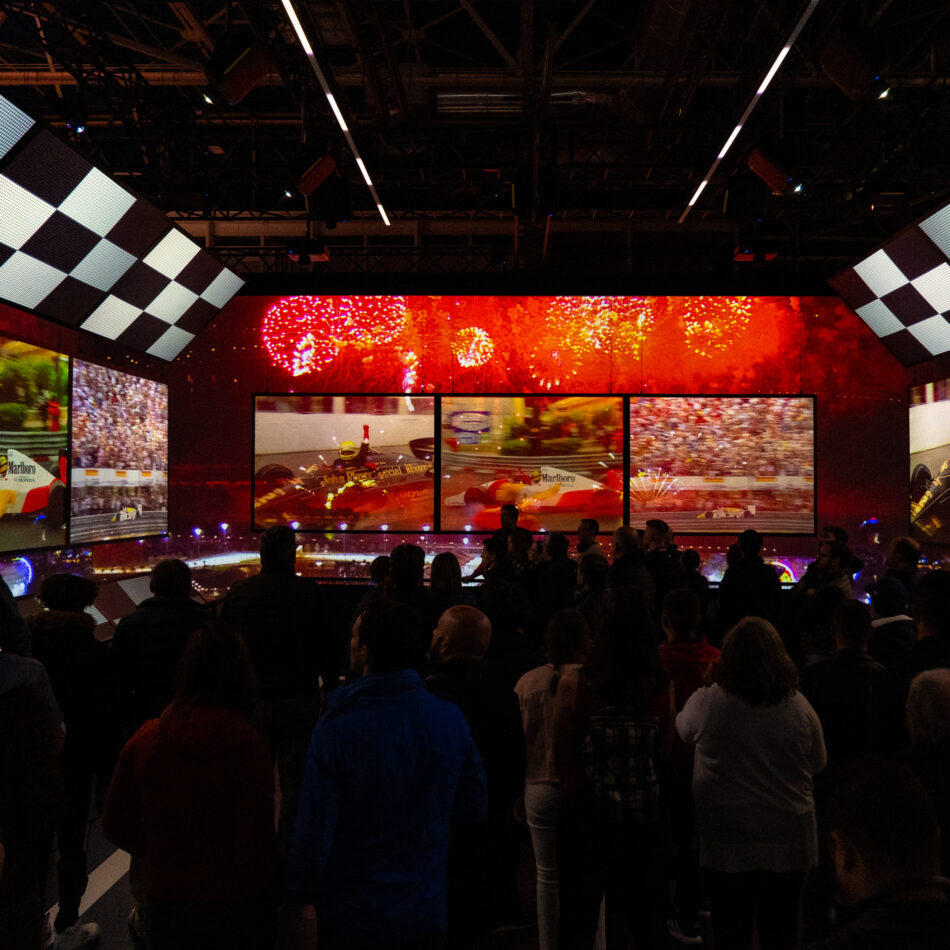
When the F1 Exhibition opens in cities from Tokyo to London, it brings visitors face to face with F1’s immense legacy. The cinematic storytelling, spatial design, and sound that we employed to illustrate that legacy capture the innovation, drama, and design that define F1, turning its history into a museum-scale cultural experience.
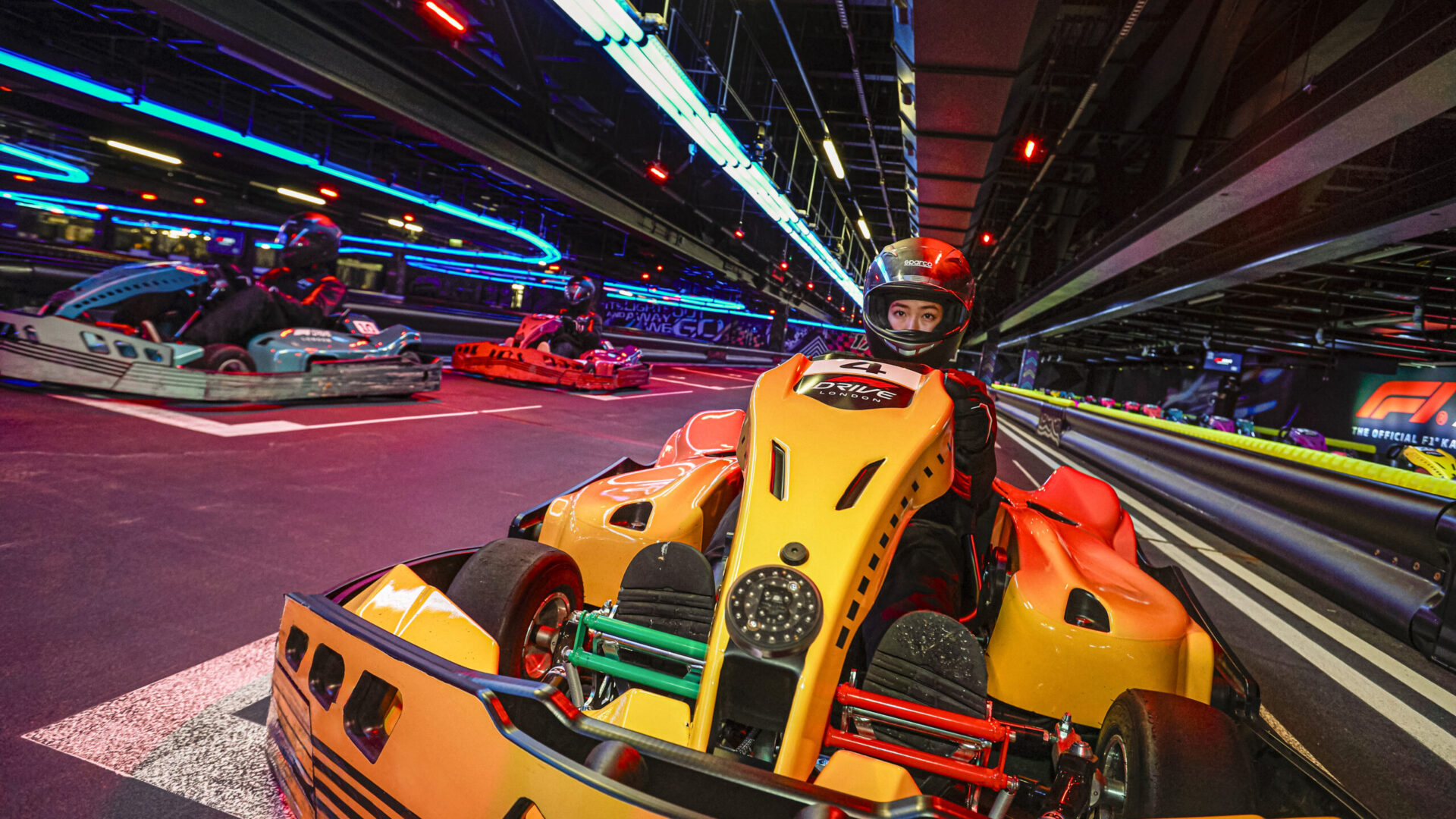
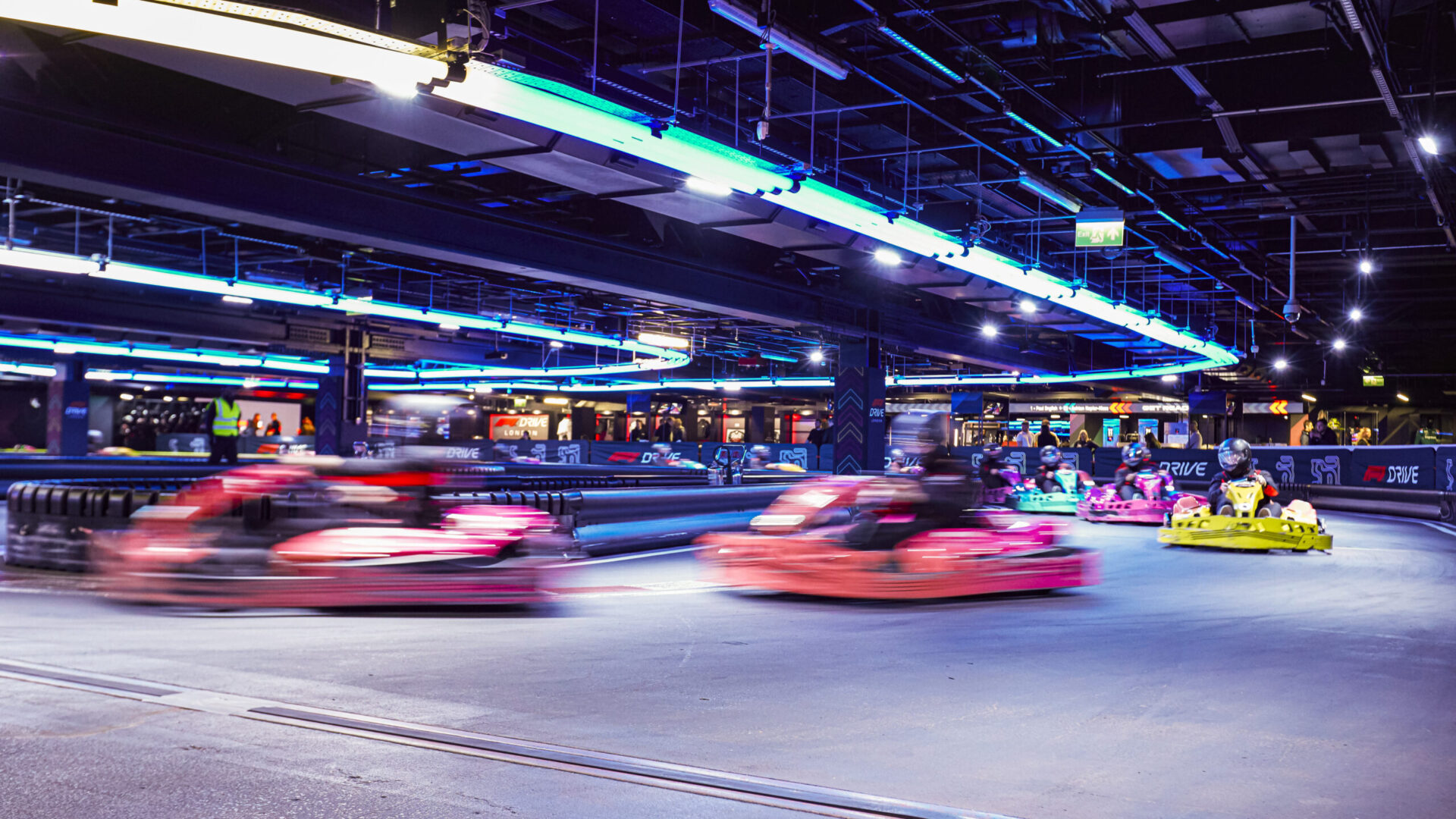
At the same time, F1 DRIVE London reimagines how close you can get to the action. Installed beneath Tottenham Hotspur Stadium, it transforms the (usually quiet) out-of-season stadium into an interactive, data-driven karting experience where visitors can race, compete, and live the thrill of F1 firsthand. Together, these experiences form an integrated brand ecosystem that meets audiences where it really counts: at a cultural, experiential, and emotional level. Younger fans might first encounter the brand through the physical adrenaline of F1 DRIVE; others might connect through the storytelling of the exhibition. Each activation reinforces the others, linking F1’s rich history, innovation, and participation into a cohesive whole.

The Future of Brand Experience
The most forward-thinking companies are designing destinations that go beyond marketing, that grow and adapt with their audiences, and that create real places for people to gather, explore, and belong. When every encounter feels part of a larger journey, a brand stops being something you consume and becomes something you live inside.
Ultimately, in life we learn from experience; we learn by doing rather than simply observing. And sure, that is the case in a hands-on museum—but as Quinn says, “I think it applies to brands at large.”
Immersive multidimensional spaces generate more than just memorable moments. They represent the next evolution of brand loyalty and cultural relevance. Whether you’re a streaming giant, a global sneaker brand or a legacy airline, the goal is the same: show up in the real world with purpose, perspective and presence. The brands that thrive tomorrow are the ones building authentic and innovative physical spaces today.